 0:45Advisory
Love Sick (bff love story) 95
The D.O.C., R.E.M., Cream, Frida, Y&T
Home RecordingRare
Blues is a music genre and musical form that originated among African Americans in the Deep South of the United States around the 1860s. Blues has incorporated spirituals, work songs, field hollers, shouts, chants, and rhymed simple narrative ballads from the African-American culture. The blues form is ubiquitous in jazz, rhythm and blues, and rock and roll, and is characterized by the call-and-response pattern, the blues scale, and specific chord progressions, of which the twelve-bar blues is the most common. Blue notes, usually thirds, fifths or sevenths flattened in pitch, are also an essential part of the sound. Blues shuffles or walking bass reinforce the trance-like rhythm and form a repetitive effect known as the groove.
Learn more on Wikipedia →The Blues genre is one of the most significant and influential music genres to have emerged from the African-American culture. With its roots dating back to the 1860s in the Deep South of the United States, Blues has had a profound impact on the development of jazz, rhythm and blues, and rock and roll. The Blues form is characterized by its distinctive sound, which includes the call-and-response pattern, the blues scale, specific chord progressions, blue notes, and the repetitive effect known as the groove.
The significance of Blues lies not only in its musical contributions but also in its cultural and historical context. Emerging from the African-American community, Blues was a way for people to express their emotions, struggles, and experiences through music. It incorporated spirituals, work songs, field hollers, shouts, chants, and rhymed simple narrative ballads, making it a unique blend of traditional African-American musical forms.
The Blues form is ubiquitous in many genres of music, and its influence can be seen in the works of artists such as Eric Clapton, Stevie Ray Vaughan, Janis Joplin, Cream, BB King, Muddy Waters, John Lee Hooker, and Etta James. These artists have not only been influenced by Blues but have also helped to popularize it, making it a significant part of the music landscape.
One of the most distinctive features of Blues is its lyrics, which often express emotions such as sadness, longing, and frustration. Early traditional Blues verses consisted of a single line repeated four times, while later versions followed the AAB pattern, consisting of a line sung over the first four bars, its repetition over the next four, and then a longer concluding line over the last bars.
The instrumentation in Blues music is also noteworthy, with early traditional Blues frequently featuring instruments such as the guitar, harmonica, and piano. The blues shuffle or walking bass reinforces the trance-like rhythm, creating a repetitive effect known as the groove. Blue notes, usually thirds, fifths, or sevenths flattened in pitch, are an essential part of the sound.
The archive's collection of rare Blues footage is a treasure trove for music enthusiasts and historians alike. With its extensive collection of performances by legendary artists such as BB King, Muddy Waters, and John Lee Hooker, it provides a unique glimpse into the evolution of the genre. The footage showcases not only the technical mastery of these musicians but also their emotional connection with the music.
The significance of Blues in the archive cannot be overstated. It is a testament to the power of music to express the human experience, and its influence can still be felt today. From its roots in African-American culture to its impact on modern music genres, Blues remains an essential part of our musical heritage.
In addition to its cultural significance, the archive's collection of rare Blues footage also provides valuable insights into the technical aspects of the genre. The performances showcase the mastery of musicians such as Eric Clapton and Stevie Ray Vaughan, who have helped shape the sound of modern rock music. Their use of blues scales, chord progressions, and blue notes is a testament to their understanding of the genre's fundamentals.
The archive's collection also highlights the importance of instrumentation in Blues music. The performances by artists such as Etta James and Janis Joplin demonstrate the versatility of the genre, which can be adapted to different instruments and styles. The blues shuffle or walking bass remains an essential element of the sound, creating a repetitive effect that is both hypnotic and infectious.
The significance of Blues in the archive extends beyond its musical contributions. It also provides a window into the cultural and historical context of the genre. Emerging from the African-American community, Blues was a way for people to express their emotions, struggles, and experiences through music. The lyrics, instrumentation, and performances all reflect this cultural context, making it an essential part of our understanding of the genre.
In conclusion (omitted), the archive's collection of rare Blues footage is a treasure trove for music enthusiasts and historians alike. With its extensive collection of performances by legendary artists such as BB King, Muddy Waters, and John Lee Hooker, it provides a unique glimpse into the evolution of the genre. The significance of Blues in the archive cannot be overstated, making it an essential part of our musical heritage.
The blues form is ubiquitous in many genres of music, and its influence can be seen in the works of artists such as Eric Clapton, Stevie Ray Vaughan, Janis Joplin, Cream, BB King, Muddy Waters, John Lee Hooker, and Etta James. These artists have not only been influenced by Blues but have also helped to popularize it, making it a significant part of the music landscape.
The archive's collection of rare Blues footage is a testament to the power of music to express the human experience, and its influence can still be felt today. From its roots in African-American culture to its impact on modern music genres, Blues remains an essential part of our musical heritage.
Curated from public records and music databases.
Blues is a music genre and musical form that originated among African Americans in the Deep South of the United States around the 1860s. Blues has incorporated spirituals, work songs, field hollers, shouts, chants, and rhymed simple narrative ballads from the African-American culture. The blues form is ubiquitous in jazz, rhythm and blues, and rock and roll, and is characterized by the call-and-response pattern, the blues scale, and specific chord progressions, of which the twelve-bar blues is the most common. Blue notes (or "worried notes"), usually thirds, fifths or sevenths flattened in pitch, are also an essential part of the sound. Blues shuffles or walking bass reinforce the trance-like rhythm and form a repetitive effect known as the groove. Blues music is characterized by its lyrics, bass lines, and instrumentation. Early traditional blues verses consisted of a single line repeated four times. It was only in the first decades of the 20th century that the most common current structure became standard: the AAB pattern, consisting of a line sung over the four first bars, its repetition over the next four, and then a longer concluding line over the last bars. Early blues frequently...
0:45AdvisoryThe D.O.C., R.E.M., Cream, Frida, Y&T
Cream
 0:38
0:38T.O.K., Iration, Mani, Ride, Cream, Y&T
 11:24
11:24R.E.M., L.A.B., Bronz, Cream, Nico
![Thumbnail for [POP UP CLASS - Instructor Solo] Instructor: Riye 🎵 Ice Cream - Blackpink & Selena Gomez by Cream](https://img.youtube.com/vi/HDMoOIPnjjs/hqdefault.jpg) 0:38
0:38Cream
 4:52
4:52Frank Marino, The Band, Led Zeppelin, Gary Moore, Stevie Ray Vaughan, Whitesnake, Black Sabbath
![Thumbnail for [1987-78] John Peel Selection ~ BBC Radio 1 ~ Nov & Dec 1987 inc Extreme Noise Terror by R.E.M., Cream, Frida, Mae](https://img.youtube.com/vi/bPMoFDM4Tvw/hqdefault.jpg) 37:45
37:45R.E.M., Cream, Frida, Mae
 2:43
2:43The Sound, R.E.M., L.A.B., James Bradley Jr., Merle Haggard, The Band, Cream, Mary's Danish
Cream
 4:53
4:53Etta James
 21:07
21:07Butthole Surfers, Led Zeppelin, Cream, John Paul Jones, Paul Leary
 15:58
15:58R.E.M., Head, Cream, Jet Black, Joan Jett, The La's, Y&T, Warren Haynes
 1:03:55
R.E.M., Head, Tom Thacker, Sum 41, T.O.K., The Band, Ed King, Deryck Whibley, Cream, Dave Baksh, Frank Zummo
 3:25
3:25Sum 41, Cream
 24:30
24:30J.O.E., Cream
 3:42
3:42The Sound, R.E.M., L.A.B., Seamus Egan, Cream, Y&T, Sting
 5:31
5:31Eric Clapton, Tommy Emmanuel, The Who, P.O.D.
 7:54
7:54Johnny Winter, J.O.E., James Brown, John Bonham, L.A.B., Queen, Sine, Patsy Cline, Robben Ford, The Kills, Mani, Ween, the white stripes, Led Zeppelin, Janis Joplin, Concert, Lonnie Mack, Joe Cocker, Lita Ford, Stevie Ray Vaughan, Warren Zevon, Jimi Hendrix, UB40, Songwriter
 3:37
3:37Johnny Winter, J.O.E., James Brown, John Bonham, L.A.B., Queen, Sine, Patsy Cline, Robben Ford, The Kills, Mani, Ween, the white stripes, Led Zeppelin, Janis Joplin, Concert, Lonnie Mack, Joe Cocker, Lita Ford, Stevie Ray Vaughan, Warren Zevon, Jimi Hendrix, UB40, Songwriter
 5:44
5:44Sine, T.O.K., let i, Holding Absence, Cream, Y&T
 3:40Advisory
Nickelback, Deep Purple, Taylor Swift, Japanese metal, Limp Bizkit, Slayer, L.A.B., Head, The Rolling Stones, Tony Iommi, Lady Gaga, Metallica, S-K-O, Ozzy Osbourne, Nightwish, Def Leppard, Guns N Roses, Eminem, Ween, The pink floyd, Metal Church, Burns, Katy Perry, Linkin Park, Nicki Minaj, Led Zeppelin, Cream, Green Day, Pink Floyd, Concert, Frida, Justin Bieber, Michael Jackson, Sepultura, Christian metal, Judas Priest, Manowar, Ronnie James Dio, Megadeth, Pantera, Rolling Stones, Iron Maiden, Van Halen, Lil Wayne, Black Sabbath, System of a Down, Nirvana, Sting
 5:15
5:15Death SS, Ride, Cream
 0:22
0:22Queen, Ride, Cream, NME, Ron Block, Mae, Y&T
 1:15
1:15B.B. King, BB King, Talk Talk
 11:43
11:43James Brown, Mother Mother, Muddy Waters, Son House, Robert Johnson, Y&T
 1:52:35
B.B. King, Music industry, BB King
 1:30:06
Eric Clapton, L.A.B., Buddy Guy, Jimi Hendrix
 2:39Advisory
L.A.B., The Band, Iggy Pop, Ween, Bo Diddley, Cream
 4:32
4:32L.A.B., Head, King Diamond, Cream
 6:16Advisory
Magic!, Rick James, Vanilla Fudge, Tim Bogert, Cream, The La's, Sting
 15:03
15:03Cream
 2:05
2:05Stevie Ray Vaughan
 6:18
6:18Jimmie Vaughan, Stevie Ray Vaughan, Reni
 18:37
18:37J.O.E., lovin', LANY, Ween, Prince, Cream, Nloo, Concert
 1:00
1:00OK Go, Cream, brunett, brunette
 5:28
5:28lovin', Bronz, Cream, brunett, brunette, Y&T
 16:28
16:28Eddy, L.A.B., Sine, T.O.K., Prince, Bronz, Cream, brunett, brunette, Y&T
 10:55
10:55lovin', R.E.M., Sine, T.O.K., Iration, Bronz, Cream, brunett, brunette, Y&T, Sting
 16:38
16:38Cream, brunett, brunette
 9:00
9:00R.E.M., Queen, Sine, Tao, Bronz, Cream, brunett, brunette, Y&T
 10:28
10:28J.O.E., the ramo, the ram, Ramones, Ween, Cream, the ramones, the ramone
 9:34
9:34T.O.K., Ween, Cream, NME, Sting
 0:35
0:35Katy Perry, Cream
 0:31
0:31Midnight, Cream, Crimson Glory
 6:35
6:35Martin Powell, Dave Pybus, Sarah Jezebel Deva, VAST, Ride, Cream, Dani Filth, James McIlroy, Paul Allender, Cradle of Filth, Cher
 4:15
4:15Stevie Ray Vaughan, Y&T
 2:49
2:49Stevie Ray Vaughan
 4:24
4:24L.A.B., Stevie Ray Vaughan
 16:08
16:08Eric Clapton, R.E.M., Iration, Ken Block, Buddy Guy, NME, Stevie Ray Vaughan, Robert Cray, Dalla
 1:54
1:54Eric Clapton, Stevie Ray Vaughan, Nile Rodgers
 1:43
1:43Eric Clapton, L.A.B., Carlos Santana, David Bowie, Stevie Ray Vaughan, Jimi Hendrix, Nile Rodgers
 25:15
25:15Dave Parsons, Midnight, L.A.B., Head, T.O.K., The Band, Bryan Adams, Music industry, Cream, NME, Ryan Adams, Y&T, Nirvana
 4:10
4:10The Sound, R.E.M., L.A.B., Ride, Cream, The Doors, The La's, Cher
 32:15
32:15L.A.B., Peter Green, Cream, Les Paul
 4:39
4:39R.E.M., Cream
 2:35
2:35Cream
 3:23
3:23Cream, Nirvana
 4:20
4:20Eric Clapton, Bonnie Raitt, John Johnson, Jimmy Page, Kodak, Paul Thompson, Ride, Les Paul, The La's, Cher, Sting
 3:08
3:08J.O.E., Cream, Y&T
 3:11Advisory
Jack White, J.O.E., L.A.B., Head, T.O.K., Joe Wood, Cream, Y&T, Sting
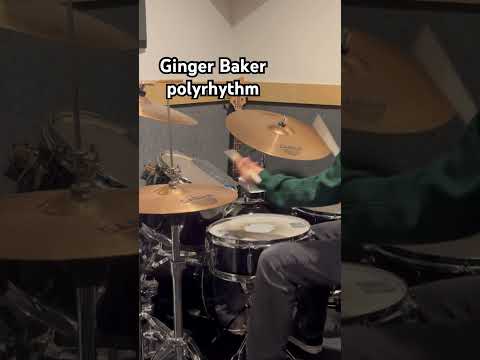 0:13
0:13Ginger Baker, Cream, Y&T
 4:02Advisory
R.E.M., L.A.B., Queen, T.O.K., Taking Back Sunday, Cream, Y&T
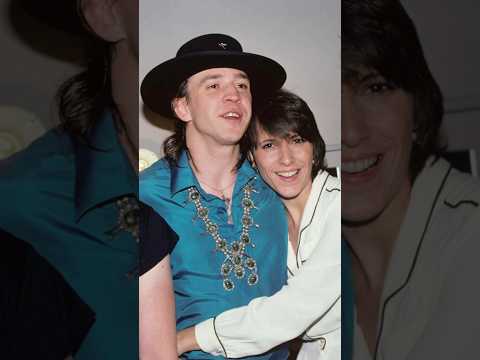 0:53
0:53Stevie Ray Vaughan
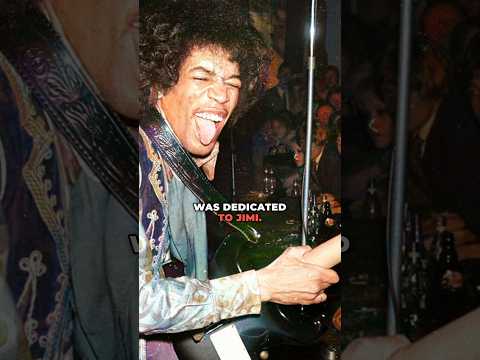 0:59
0:59Eric Clapton, Electric Sun, Cream
 0:39
0:39Stevie Ray Vaughan
 2:41
2:41The Band, Cream
 5:46
5:46Etta James
 0:19
0:19Janis Joplin, Buddy Guy, Jimi Hendrix
 3:30
3:30Queen, Cream, NME, Y&T
 6:34
6:34L.A.B., Little Richard, Bob Seger, Muddy Waters, Labelle
 20:11
20:11Head, Sine, Cream, Floyd Jones, Cher
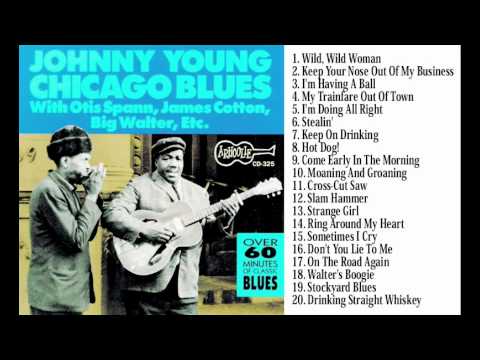 2:42
2:42Sine, John Young, James Cotton, Muddy Waters, Jimmy Dawkins, Otis Spann
 2:04
2:04arthur lee, Screaming Trees, arthur l, Cream, arthur le
Cream
Cream
Cream
 8:14
8:14R.E.M., Mani, Roy C, Lucky Peterson, Buddy Guy, Stevie Ray Vaughan, Y&T
 5:26
5:26John Lee Hooker, Live (band)
 8:07
8:07Eric Clapton, John Mayer, NWA, Dalla
 4:06
4:06Screaming Trees, Head, Ride, Cream
 4:59
4:59Howlin' Wolf, R.E.M., Head, Luther Allison, Iration, Junior Wells, L.V. Banks, Freddie King, Ween, soo, Buddy Guy, Lil' Ed Williams, Koko Taylor, Muddy Waters, Jimi Hendrix, Hound Dog Taylor, Cher, Sting
 4:57
4:57Stevie Ray Vaughan
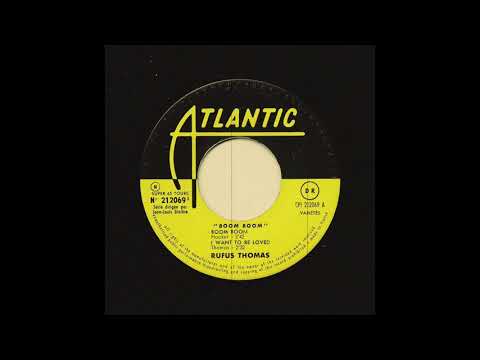 2:44
2:44Rufus Thomas, John Lee Hooker
 3:20
3:20Cream
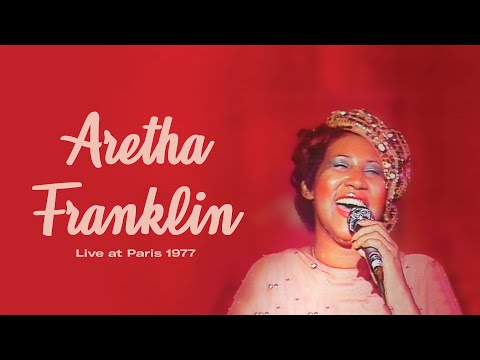 2:58
2:58James Brown, R.E.M., Queen, Ray Charles, Aretha Franklin, Ride, Diana Ross, Michael Jackson, Muddy Waters, Miles Davis, Method Man
 4:23
4:23R.E.M., Dave Holland, Cream, Judas Priest
 3:14
3:14Head, Cream
 8:10
8:10Cream, Judas Priest
 52:44
52:44R.E.M., Cream, soo, Nico, Y&T
 4:08
4:08James Brown, Luke, Cream, The La's
 14:21
14:21Rob Halford, Cream, Judas Priest
 51:48
51:48R.E.M., Tony Iommi, Geezer Butler, Rob Halford, Cream, Judas Priest, P.O.D., Ronnie James Dio, Yngwie Malmsteen
 6:16
6:16R.E.M., Cream
 7:03
7:03Cream
 1:06:00
Eric Clapton, Midnight, R.E.M., Amy Winehouse, Y&T
 0:41
0:41Cream, No Devotion, New wave of new wave
 4:04
4:04Eric Clapton, The Kinks, Supergrass, Elton John, Ray Davies
 0:21
0:21Cream, Nick Drake
![Thumbnail for THE 2ND COMING – Evaluations (1969) | Lost Southern Psychedelic Rock [Full Album] by Reese Wynans, R.E.M., The Band, Dickey Betts, The Allman Brothers Band, Duane Allman, Jam session, Lucinda Williams, Cream, Stevie Ray Vaughan, Captain Beyond, Iron Butterfly](https://img.youtube.com/vi/uFwsKteM3zQ/hqdefault.jpg) 1:00:08
1:00:08Reese Wynans, R.E.M., The Band, Dickey Betts, The Allman Brothers Band, Duane Allman, Jam session, Lucinda Williams, Cream, Stevie Ray Vaughan, Captain Beyond, Iron Butterfly
 3:57
3:57Jimmie Vaughan, Lou Ann Barton, Stevie Ray Vaughan
 0:51
0:51Muddy Waters
 8:21
8:21Cream, The La's
 18:45
18:45R.E.M., The House Band, Sine, The Band, Cream, NME, Van Halen, Cher
 0:39
0:39vieja, Diplo, R.E.M., viej, Kanye West, Ween, viejas, Cream, NME, Sting
 47:05
47:05R.E.M., Head, the ram, Cream
 3:37Advisory
Korn, Oasis, let i, Ween, Linkin Park, Stone Sour, Cream, My Chemical Romance, Y&T
 2:22:41
Ilan Rubin, Nine Inch Nails, R.E.M., Queen, Cream, David Bowie, Robin Finck, Trent Reznor, Y&T

Cream
 5:22:30
Midnight, Head, Cream, Y&T
 1:58
1:58Eric Clapton, Stevie Wonder, Marvin Gaye, Bobby Caldwell, The Temptations, Curtis Mayfield, Stew, The Four Tops, Johnny Adams, Esther Phillips, VAST, Rod Stewart, Jerry Garcia, Tina Turner
![Thumbnail for Nickelback - How You Remind Me [OFFICIAL VIDEO] by Nickelback, R.E.M., Head, Cream](https://img.youtube.com/vi/Aiay8I5IPB8/hqdefault.jpg) 3:49
3:49Nickelback, R.E.M., Head, Cream
 1:42
1:42Music publisher, Otis Redding, Etta James, Duane Allman, Record producer, Songwriter
 3:02
3:02R.E.M., Rick Savage, Cream, ENTRE, Nico, Y&T, Sting
 0:18
0:18R.E.M., NWA, Mani, Ride, Cream, soo, NME, Dalla
 4:59
4:59The Sound, R.E.M., Head, The Exit, Robert Plant, The Band, Jimmy Page, Road crew, Bon Jovi, Cream, Dire Straits, The Who
 19:03
19:03Lit (band), The Band, NWA, Cream, Mitch Harris, Napalm Death, Talk Talk
 0:41
0:41R.E.M., Sonny Boy Williamson I, Junior Wells, Muddy Waters, Little Walter, Y&T
 0:21
0:21Herbie Hancock, Ray Charles, Etta James
 3:17Advisory
Cream
 3:49
3:49Muddy Waters
 2:13
2:13Mother Mother, Cream
![Thumbnail for Santana - Full Concert [HD] | Live at North Sea Jazz Festival 2004 by R.E.M., Herbie Hancock, John Coltrane, Sine, Ray Charles, Carlos Santana, The Band, Cream, Frida, Y&T](https://img.youtube.com/vi/UOwvmgjbwDo/hqdefault.jpg) 1:16:57
1:16:57R.E.M., Herbie Hancock, John Coltrane, Sine, Ray Charles, Carlos Santana, The Band, Cream, Frida, Y&T
 4:53
4:53Willie Dixon, R.E.M., Tommy Lee, James Lewis, Muddy Waters, Y&T
 3:55
3:55Eric Clapton, Paul McCartney, Jimmy James, Cream, The Amps, soo, NME, Jimi Hendrix, John Lennon
 4:18
4:18The Band, Muddy Waters, The La's, Bruce Springsteen
 3:11
3:11The Chambers Brothers, Eric Clapton, Wilson Pickett, Linda Ronstadt, Johnny Winter, James Brown, The Sound, Vanilla Fudge, The Rolling Stones, Joe Perry, The Temptations, The Four Tops, Derek Trucks, Ronnie Spector, Joni Mitchell, The Beatles, Janis Joplin, The Ronettes, Diana Ross, Cream, Joe Cocker, The Who, Carole King, Keb' Mo', Mitch Ryder, The Doors, Joan Jett, Jimi Hendrix, Susan Tedeschi, Elton John, Tower of Power, Stephen Stills, Rolling Stones, Van Morrison, Grateful Dead
 8:43
8:43Eric Clapton, The Allman Brothers Band
 4:17
4:17R.E.M., Sly & the Family Stone, Mani, Neil Young, Muddy Waters, Sting
 3:02
3:02Cream, Gus Cannon, Muddy Waters, Hambone Willie Newbern
 4:28
4:28Stevie Ray Vaughan
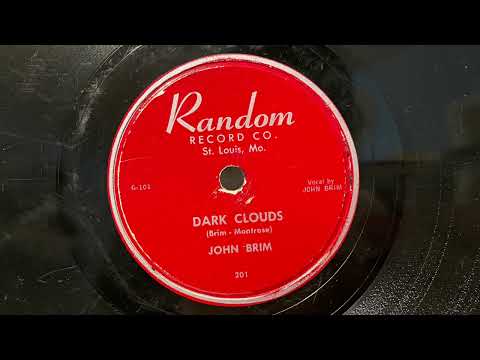 2:46
2:46Tampa Red, The Band, Otis "Big Smokey" Smothers, Cream, Van Halen
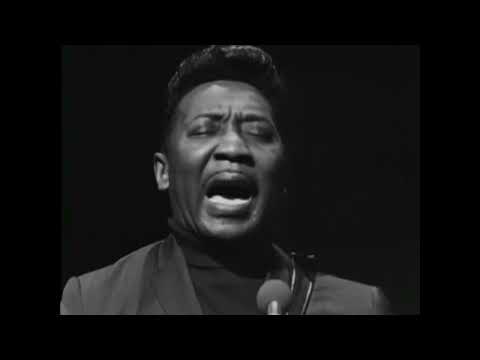 4:32
4:32Muddy Waters, Otis Spann, Cher
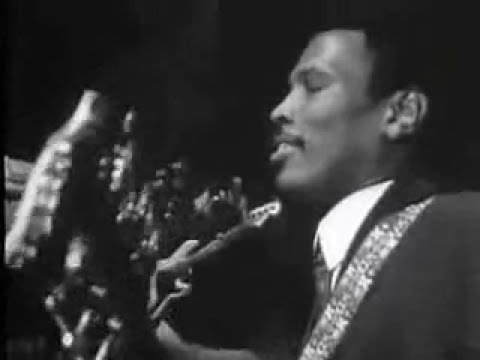 2:14
2:14R.E.M., Magic Sam, Muddy Waters, Little Walter
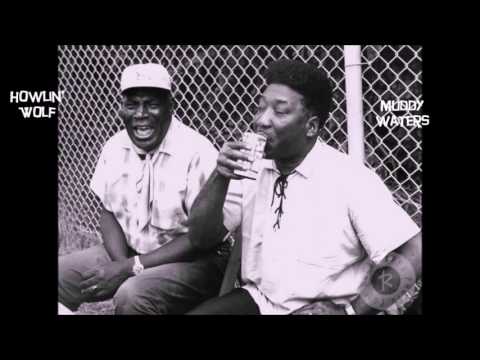 8:29
8:29Howlin' Wolf, Ike Turner, Magic Sam, NME, Muddy Waters, Eddie Shaw
 3:09
3:09Muddy Waters
 3:44
3:44Eric Clapton, Wilson Pickett, Della Reese, Beck, John Mayer, Mack Rice, The Rolling Stones, Keith Richards, Junior Wells, Jimmy Page, John Lee Hooker, Buddy Guy, Stevie Ray Vaughan, Muddy Waters, Jimi Hendrix, Rolling Stones, Jeff Beck
 0:41
0:41Willie Dixon, Luther Allison, Junior Wells, John Lee Hooker, Magic Sam, Buddy Guy, James Cotton, Songwriter
 3:29
3:29Local H, Ween, Prince, Cream, soo, Y&T
Cream
 4:55
4:55Cream, Songwriter, Y&T
 3:45
3:45Siouxsie and the Banshees, Siouxsie Sioux, Cream
 3:47
3:47Eric Clapton, Frank Zappa, The Rolling Stones, Elvis Presley, Fleetwood Mac, Joni Mitchell, James Taylor, Tom Petty, John Legend, Rolling Stones, Jeff Beck, Sting
 4:14
4:14R.E.M., Ratt, Cream, soo, Y&T
 3:44
3:44Head, let i, Cream
 4:18
4:18R.E.M., Tom DeLonge, Cream, David Desrosiers, Cher
 53:18
53:18Eric Clapton, Revis, ENTRE, Nico, Jimi Hendrix, Diego, Sting
 1:50:23
Janis Joplin, The Who, Music festival, Jimi Hendrix
![Thumbnail for Janis Joplin - Easy Once You Know How [Studio Outtake, Mar 1968] by Janis Joplin](https://img.youtube.com/vi/xxZv890U4wo/hqdefault.jpg) 4:03
4:03Janis Joplin
 28:38
28:38Muddy Waters, Son House, Skip James
 2:01
2:01The Sound, R.E.M., The Rolling Stones, Clifton Chenier, Cream, Rolling Stones
 1:05:41
Cream
 0:24
0:24B.B. King, BB King
 7:29
7:29B.B. King, BB King
 3:41
3:41Jay-Z, Cream, Mobb deep
 21:36
21:36Johnny Winter, Korn, Frank Zappa, R.E.M., Robert Plant, Stew, The Band, Jimmy Page, Red (band), Led Zeppelin, Janis Joplin, A (band), The Jimi Hendrix Experience, NME, Rod Stewart, Jimi Hendrix, Y&T, Jeff Beck
 1:52
1:52Rhythm section, Deep Purple, Eddy, R.E.M., The Band, Genesis, The pink floyd, Live (band), Cream, Pink Floyd, soo, Cher, Y&T
 0:34Advisory
Post Malone, R.E.M., Ween, Cream, SZA
 4:36
4:36R.E.M., Head, The Rolling Stones, Keith Richards, Charlie Watts, Cream, Mick Jagger, Rolling Stones, Brian Jones, Nicky Hopkins
 4:36
4:36The Sound, R.E.M., Head, The Rolling Stones, Keith Richards, Charlie Watts, Cream, Mick Jagger, Rolling Stones, Brian Jones, Nicky Hopkins
 4:40
4:40Head, The Rolling Stones, Keith Richards, Charlie Watts, Cream, Mick Jagger, Rolling Stones, Brian Jones, Nicky Hopkins
 2:51
2:51Robert Lockwood, Jr., Willie Dixon, Howlin' Wolf, Johnny Shines, Ronnie Earl, Muddy Waters, Little Walter, Walter Jacobs
 1:50
1:50Willie Dixon, James Cotton, Muddy Waters, Little Walter, Otis Spann
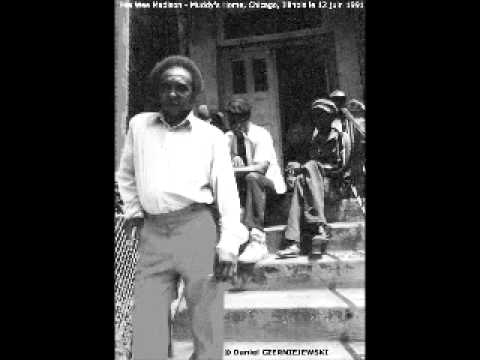 3:26
3:26Muddy Waters
 18:28
18:28Mother Mother, Howlin' Wolf, Head, Freddie King, Jimmy Reed, Elvin Bishop, Jimmy Rogers, Muddy Waters, Sonny Thompson, Y&T, Nirvana, Sting
 45:20
45:20Mother Mother, R.E.M., Big Smo, The Band, Kansas City Red, Junior Wells, Ween, Cream, Buddy Guy, Floyd Jones, Muddy Waters, Hip Linkchain, Y&T
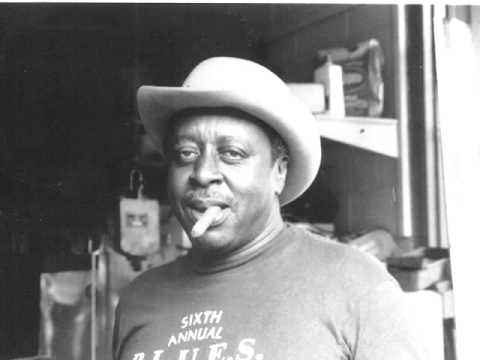 9:10
9:10Mother Mother, Cream
 38:07
38:07Mother Mother, Big Smo, The Band, Kansas City Red, Junior Wells, Freddie King, Ween, Cream, Buddy Guy, Floyd Jones, Y&T
 41:33
41:33Mother Mother, Big Smo, The Band, Kansas City Red, Junior Wells, Ween, Cream, Buddy Guy, Floyd Jones, Y&T
 25:37
25:37Mother Mother, R.E.M., Big Smo, The Band, Kansas City Red, Junior Wells, Ween, Cream, Buddy Guy, Floyd Jones, Muddy Waters, Y&T, Sting
 1:10:08
Head, Sine, Kodak B, Ween, Kodak, Fall Out Boy, Cream, Kodak Bla, Kodak Blac, Kodak Black
Cream
 2:28
2:28Cream, Frida, Diego
 4:51
4:51Head, Muddy Waters, Mae
 15:02
15:02Chris Brown, R.E.M., Britney Spears, Nicole Scherzinger, Skylar Grey, Cream, The Black Eyed Peas, Justin Bieber, Nico, Record producer, Lil Wayne, Cher
 0:59
0:59Eric Clapton, Midnight, The Allman Brothers Band, Derek Trucks, Butch Trucks, Buddy Guy, P.O.D., Susan Tedeschi, Chris Shiflett, Warren Haynes
 1:00
1:00R.E.M., The Band, Jane's Addiction, Cream, Frida, P.O.D., The La's
 7:57
7:57Eric Clapton, The Sound, Otis Redding, John Coltrane, Ray Charles, Stew, Lynyrd Skynyrd, The Allman Brothers Band, Duane Allman, Cream, Rod Stewart, Thelonious Monk
 2:57
2:57Eddy, Floyd Cramer, The Sound, Charly McClain, R.E.M., Louis Armstrong, Sine, Charlie Rich, Faron Young, NWA, Etta James, Ween, Conway Twitty, Del Reeves, Stoney Cooper, Ride, Wilma Lee, Charlie McCoy, Record producer, Dottie West

Cream
 2:00
2:00Eric Clapton, Ginger Baker, Jack Bruce, Cream
 5:13
5:13Eric Clapton, Ginger Baker, Jack Bruce, Cream
 1:15:32
Rage against the machine, Soundgarden, Brad Lang, Head, Steel drums, Dokken, Tony Montana, Michael Schenker, Steve Vai, Joe Satriani, Great White, Jack Russell, Prince, Metal Church, George Lynch, Led Zeppelin, Ted Nugent, Cream, The Runaways, Derek St. Holmes, Candlebox, Ira Black, Marco Mendoza, Sean McNabb, Brian Quinn, Joan Jett, Jimi Hendrix, SZA, Whitesnake, Goo Goo Dolls, Yngwie Malmsteen, Mark Wood, Y&T
 5:24
5:24R.E.M., Cream, Eisley
 18:10
18:10Cream, Primal Scream
![Thumbnail for The Rolling Stones, Charlie is my Darling - Ireland 1965 [Official Teaser] by The Rolling Stones, The Band, Cream, The La's, Rolling Stones, Y&T](https://img.youtube.com/vi/KsR0w-uM59Y/hqdefault.jpg) 0:22
0:22The Rolling Stones, The Band, Cream, The La's, Rolling Stones, Y&T
 5:44
5:44Ratt, B.B. King, BB King
 3:18
3:18Cream
 5:04
5:04Cream
 3:54
3:54Demetria Taylor, Muddy Waters
 2:40
2:40Louisiana Red, John Lee Hooker
 6:59
6:59Muddy Waters
 3:55
3:55Cream, Y&T
 4:08
4:08Cream, Y&T, Sting
![Thumbnail for [Video] Slayer - World Painted Blood by Nickelback, Deep Purple, Taylor Swift, Japanese metal, Limp Bizkit, Slayer, The Rolling Stones, Tony Iommi, Lady Gaga, Metallica, Ozzy Osbourne, Nightwish, Def Leppard, Guns N Roses, Eminem, Ween, The pink floyd, Metal Church, Katy Perry, Linkin Park, Nicki Minaj, Led Zeppelin, Cream, Green Day, Pink Floyd, Frida, Justin Bieber, Michael Jackson, Sepultura, Christian metal, Judas Priest, Manowar, Ronnie James Dio, Megadeth, Pantera, Rolling Stones, Iron Maiden, Van Halen, Lil Wayne, System of a Down, Nirvana, Sting](https://img.youtube.com/vi/A995WM3R5m4/hqdefault.jpg) 5:23
5:23Nickelback, Deep Purple, Taylor Swift, Japanese metal, Limp Bizkit, Slayer, The Rolling Stones, Tony Iommi, Lady Gaga, Metallica, Ozzy Osbourne, Nightwish, Def Leppard, Guns N Roses, Eminem, Ween, The pink floyd, Metal Church, Katy Perry, Linkin Park, Nicki Minaj, Led Zeppelin, Cream, Green Day, Pink Floyd, Frida, Justin Bieber, Michael Jackson, Sepultura, Christian metal, Judas Priest, Manowar, Ronnie James Dio, Megadeth, Pantera, Rolling Stones, Iron Maiden, Van Halen, Lil Wayne, System of a Down, Nirvana, Sting
 3:48
3:48Nickelback, Deep Purple, Taylor Swift, Japanese metal, Limp Bizkit, Slayer, The Rolling Stones, Tony Iommi, Lady Gaga, Metallica, Ozzy Osbourne, Nightwish, Def Leppard, Guns N Roses, Eminem, Ween, The pink floyd, Metal Church, Katy Perry, Linkin Park, Nicki Minaj, Led Zeppelin, Cream, Green Day, Pink Floyd, Frida, Justin Bieber, Michael Jackson, Sepultura, Christian metal, Judas Priest, Manowar, Ronnie James Dio, Megadeth, Pantera, Rolling Stones, Iron Maiden, Van Halen, Lil Wayne, System of a Down, Nirvana, Sting
 2:03
2:03Eric Clapton, Midnight, R.E.M., Queen, The Band, Janet Jackson, NME, Nico, The La's
Cream
 4:17
4:17Eric Clapton
 0:06
0:06Queen, Cream
 3:07
3:07Queen, let i, let it be, Cream
 7:40
7:40Cream
 1:01
1:01R.E.M., NWA, Cream, Slash, Michael Jackson, Y&T, Dalla
 24:33
24:33Paul McCartney, R.E.M., Cream, Cher, Y&T
 18:53
18:53Tom Araya, R.E.M., Queen, Chad Smith, Vinni, Joe Satriani, Vinnie, Metallica, Lemmy, Def Leppard, Iggy Pop, David Gilmour, Genesis, Radiohead, The pink floyd, Pink Floyd, Slash, Coldplay, Dire Straits, Stevie Ray Vaughan, Jason Mraz, Steven Wilson, Whitesnake, Roger Waters, Mike Rutherford, Thin Lizzy, Jeff Beck
 3:01
3:01Wilson Pickett, Otis Redding, Eddie Floyd, Mack Rice, Rufus Thomas, The Temptations, Stew, The Four Tops, Janis Joplin, Steve Cropper, David Bowie, Johnnie Taylor, Songwriter, Y&T
 0:27
0:27Cream, P.O.D.
 1:23:32
Janis Joplin
 23:04
23:04R.E.M., Chad Smith, Jason White, The Band, Red Hot Chili Peppers, John Frusciante, Dave Navarro, Cream, James Smith, Flea, Mae
Etta James, Mahalia Jackson, Y&T
 14:57
14:57Howlin' Wolf, John Lee Hooker, Jesse Fuller
 7:46
7:46Cream
 0:48
0:48Ingrid Michaelson, Cream
![Thumbnail for Janis Joplin - Piece Of My Heart [The Jasper LIVE cover] by Janis Joplin](https://img.youtube.com/vi/_uInLiINXvY/hqdefault.jpg) 4:00
4:00Janis Joplin
 5:02
5:02Cream
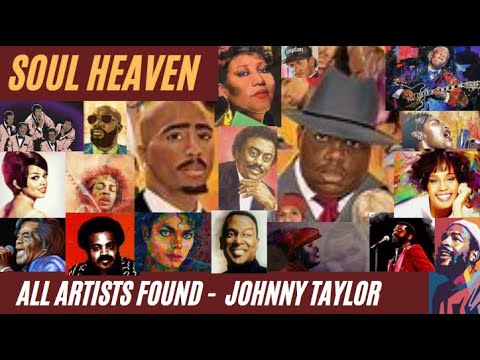 4:52
4:52Donny Hathaway, Mary Wells, James Brown, Eddy, Rick James, Junior Walker, Marvin Gaye, Otis Redding, John Coltrane, Minnie Riperton, Etta James, Sam Cooke, Donna Summer, Luther Vandross, Teddy Pendergrass, Michael Jackson, Ella Fitzgerald, Johnnie Taylor, Miles Davis
 2:30
2:30R.E.M., John Johnson, Cream, Y&T
 0:53
0:53Eric Clapton, Taylor Swift, R.E.M., Freddie King, Ween, VAST, The Beatles, Stevie Ray Vaughan, The La's
 1:06:23
Johnny Winter, Glenn Hughes, The Rolling Stones, Tao, Larry McCray, Jack Bruce, Led Zeppelin, Jam session, Paul Shortino, Cream, Gary Moore, Stevie Ray Vaughan, The Doors, Jimi Hendrix, Rolling Stones, Roy Buchanan
 2:09
2:09Cream
 6:18
6:18Eric Clapton
 4:51
4:51Dan Lilker, Cream, NME, Y&T
 1:37
1:37Cream
 1:31
1:31The Contours, Freda Payne, The Temptations, The Funk Brothers, The Four Tops, Etta James, Ed King, Prince, Music industry, Harold Melvin, James Jamerson, Jazz band, Detroit blues, Thornetta Davis, Melvins, Eddie Willis, Songwriter, Y&T
 55:41
55:41Little Sister, Lynyrd Skynyrd, Stevie Ray Vaughan
 1:14:32
Eric Clapton, The Rolling Stones, Ratt, Rolling Stones, Songwriter, Y&T
 10:22
10:22Eric Clapton, R.E.M., Peter Gabriel, Phil Collins, Genesis, Y&T
 5:52
5:52Eric Clapton, R.E.M., Phil Collins, Genesis
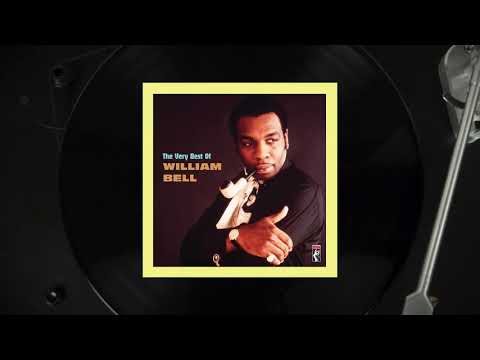 2:30
2:30The Staple Singers, R.E.M., Otis Redding, The Four Tops, Jerry Lee Lewis, The Byrds, John Lee Hooker, The Bar-Kays, Isaac Hayes
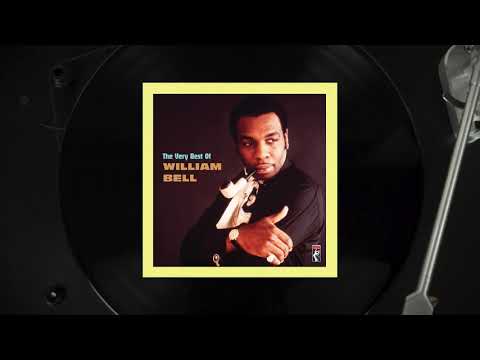 2:45
2:45The Staple Singers, R.E.M., Otis Redding, The Four Tops, Jerry Lee Lewis, The Byrds, John Lee Hooker, The Bar-Kays, Isaac Hayes
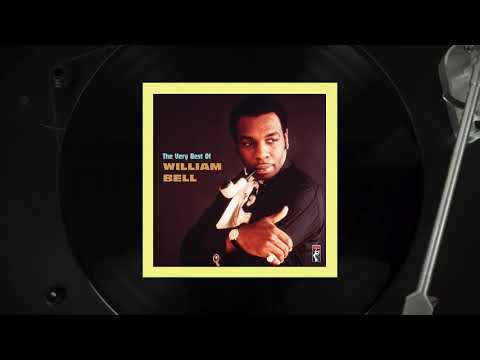 2:53
2:53The Staple Singers, R.E.M., Otis Redding, The Four Tops, Jerry Lee Lewis, The Byrds, John Lee Hooker, The Bar-Kays, Isaac Hayes
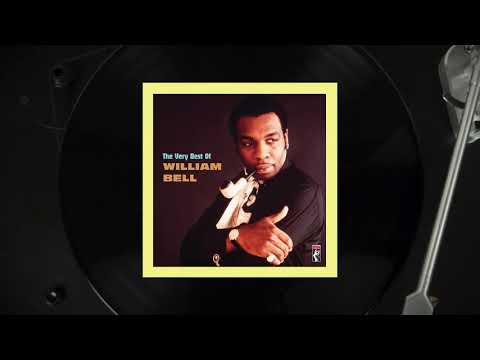 3:01
3:01The Staple Singers, R.E.M., Otis Redding, The Four Tops, Jerry Lee Lewis, The Byrds, John Lee Hooker, The Bar-Kays, Isaac Hayes
 2:51
2:51The Staple Singers, R.E.M., Otis Redding, The Four Tops, Jerry Lee Lewis, The Byrds, John Lee Hooker, The Bar-Kays, Isaac Hayes
 2:38
2:38The Staple Singers, R.E.M., Otis Redding, The Four Tops, Jerry Lee Lewis, The Byrds, John Lee Hooker, The Bar-Kays, Isaac Hayes
 3:58
3:58The Staple Singers, R.E.M., Otis Redding, The Four Tops, Jerry Lee Lewis, The Byrds, John Lee Hooker, The Bar-Kays, Isaac Hayes
 6:08
6:08Cream
 3:05
3:05Etta James
 7:45
7:45Cream
![Thumbnail for Prognosis - Into The Grey [Official Music Video] by Cream](https://img.youtube.com/vi/_VjmWLcH8ZI/hqdefault.jpg) 7:06
7:06Cream
 4:06
4:06Stevie Ray Vaughan, Guitar Slim
 46:00
46:00The Sound, R.E.M., Muddy Waters, Robert Johnson, Y&T
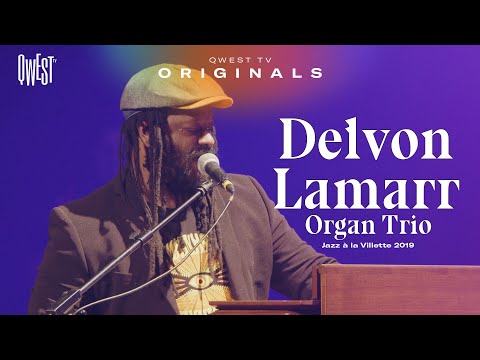 14:47
14:47James Brown, Delvon Lamarr, R.E.M., Organ trio, Ray Charles, Delvon Lamarr Organ Trio, Jimmy James, Grant Schroff, Steve Cropper, Michael Jackson, Muddy Waters, The Meters, Miles Davis, Method Man, Y&T
 1:30
1:30Cream
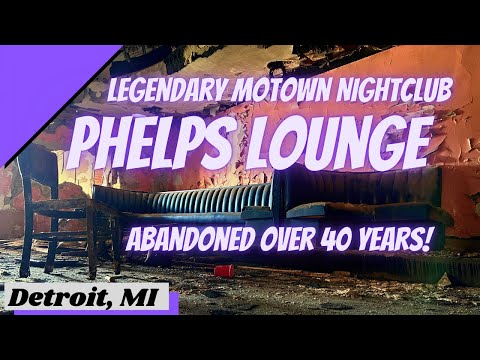 19:55
19:55Otis Redding, The Temptations, Little Richard, Detroit blues, NME, Muddy Waters, Tina Turner, The Isley Brothers
 39:23
39:23Rob Wasserman, Willie Dixon, Paul Simon, Judy Mowatt, Rufus Thomas, Little Milton, NWA, Red Hot Chili Peppers, Mavis Staples, Chuck Jackson, Mark Knopfler, Ruth Brown, Patti Austin, Ray Manzarek, Stevie Ray Vaughan, Lou Reed, Steve Swallow, Pat Metheny, John Cale, Robert Cray, Miles Davis, Sting
![Thumbnail for Big Mama Thornton - 'Hound Dog' live [Colourised] 1965 by Johnny Otis, Memphis Minnie, Big Mama Thornton, Muddy Waters, Lightnin' Hopkins, Johnny Ace, Songwriter, Junior Parker](https://img.youtube.com/vi/V1zxsWXK4LY/hqdefault.jpg) 2:35
2:35Johnny Otis, Memphis Minnie, Big Mama Thornton, Muddy Waters, Lightnin' Hopkins, Johnny Ace, Songwriter, Junior Parker
 3:54
3:54Willie Dixon, Newport Jazz Festival, Muddy Waters, Son House, Robert Johnson, Little Walter, Songwriter, Otis Spann, Walter Jacobs
 9:22
9:22Johnny Winter, Muddy Waters
 8:15
8:15Muddy Waters
 0:41
0:41Sammy Lawhorn, Muddy Waters
 3:54
3:54Muddy Waters
 6:14
6:14Muddy Waters
 3:21
3:21Pinetop Perkins, Muddy Waters
 2:52
2:52Willie Dixon, Sonny Boy Williamson I, Muddy Waters, Otis Spann, Sonny Boy Williamson II, Sting
 2:37
2:37John Lee Hooker
 1:01
1:01Muddy Waters
 1:02:07
The Sound, R.E.M., John Lee Hooker, Muddy Waters, Son House
 10:56
10:56Sleepy John Estes, Roosevelt Sykes, Willie Dixon, Memphis Slim, Matt "Guitar" Murphy, Louisiana Red, Otis Rush, T-Bone Walker, Little Brother Montgomery, Victoria Spivey, Magic Sam, Koko Taylor, Sonny Terry, Muddy Waters, Lightnin' Hopkins, Music festival, Sippie Wallace, Son House, Mick Jagger, Skip James, Little Walter, Otis Spann
 4:58
4:58Cream
 5:51
5:51Rod Piazza, Muddy Waters
 4:40
4:40Rod Piazza, Muddy Waters
 5:09
5:09Rod Piazza, Muddy Waters
 4:02
4:02Rod Piazza, Muddy Waters
 4:40
4:40Rod Piazza, Muddy Waters
 5:02
5:02R.E.M., Peter Green, Fleetwood Mac, Mick Fleetwood, Muddy Waters
 5:14
5:14Rod Piazza, Muddy Waters
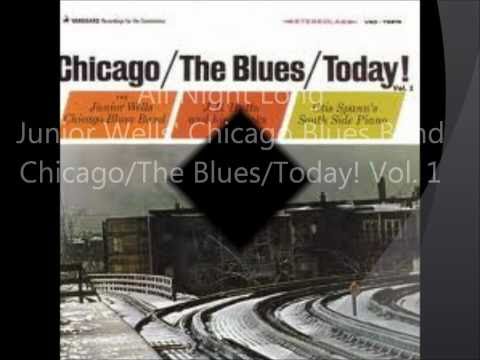 3:47
3:47R.E.M., The Rolling Stones, Junior Wells, Muddy Waters, Rolling Stones
 4:27
4:27Rod Piazza, Muddy Waters
 1:44
1:44Sandra Hall, Muddy Waters, Magic Slim, Phil Guy
 8:51
8:51Lurrie Bell, Muddy Waters
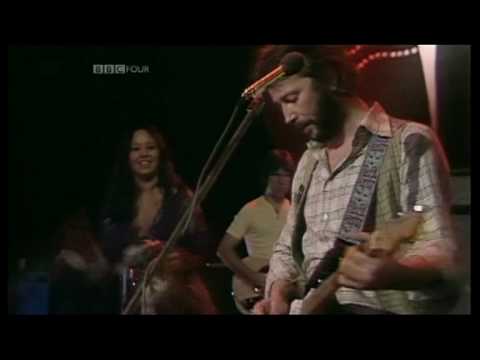
Eric Clapton
Cream
 14:00
14:00B.B. King, BB King
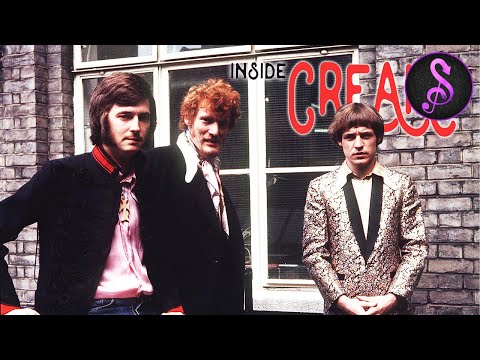 1:01:33
Cream
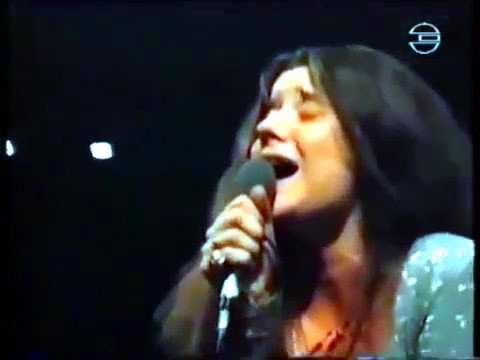
Janis Joplin
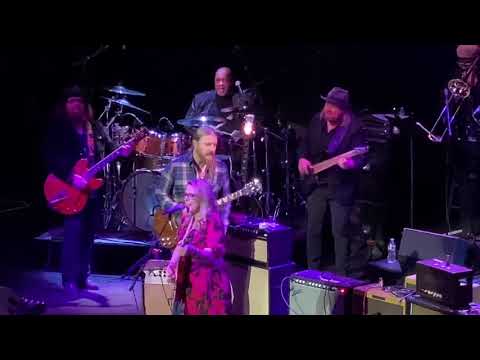 1:21
1:21B.B. King, Derek Trucks, BB King
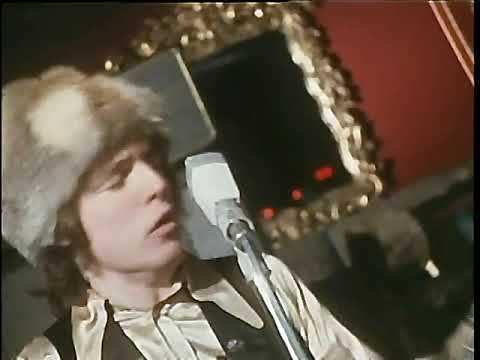
Cream
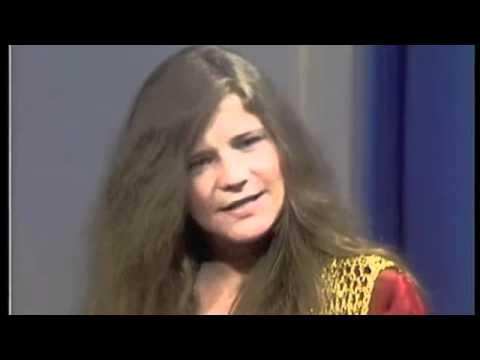 0:33Advisory
Janis Joplin
 1:00Advisory
Janis Joplin
 0:38
0:38Etta James
 1:30
1:30Etta James
 2:27
2:27Etta James
 0:19
0:19Etta James
 3:42
3:42Etta James
 4:07
4:07Etta James
 2:24
2:24Etta James
 0:53
0:53Etta James
 7:15
7:15Etta James
 4:29
4:29Etta James
 7:20
7:20Etta James
 27:19
27:19Etta James
 0:47
0:47Etta James
 5:51
5:51Etta James
 0:56
0:56Etta James
 53:32
53:32Etta James
 8:10
8:10Etta James
![Thumbnail for Etta James, Gladys Knight and Chaka Khan - Ain't Nobody Business (live BB King & Friends) [HQ] by Etta James](https://img.youtube.com/vi/MoBlmp9cOL4/hqdefault.jpg) 5:11
5:11Etta James
 2:06
2:06Etta James
 3:37
3:37Etta James
 5:50
5:50Etta James
 1:14
1:14Etta James
 4:05
4:05Etta James
 0:53
0:53Etta James
 6:58
6:58Etta James
 7:02
7:02Etta James
 5:20
5:20Etta James
 5:54
5:54Etta James
 4:13
4:13Etta James
 3:06
3:06Etta James
 2:43
2:43Eric Clapton
 10:17
10:17Eric Clapton
![Thumbnail for Eric Clapton with JJ Cale - Anyway The Wind Blows [Official Live In San Diego] by Eric Clapton](https://img.youtube.com/vi/n-Fpq5NYCNQ/hqdefault.jpg) 5:32
5:32Eric Clapton
 10:50
10:50Eric Clapton
 5:01
5:01Eric Clapton
 5:02
5:02Eric Clapton
Cream
Cream
Cream
Cream
Cream
B.B. King, BB King
BB King
B.B. King, BB King
BB King
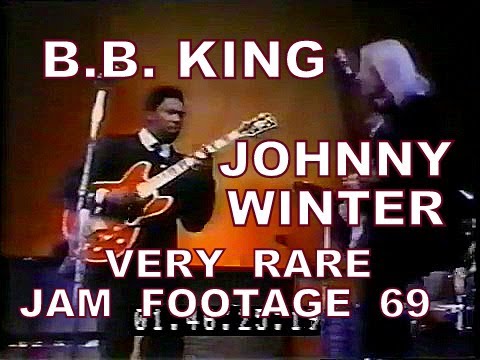
B.B. King, BB King
B.B. King, BB King
BB King
BB King
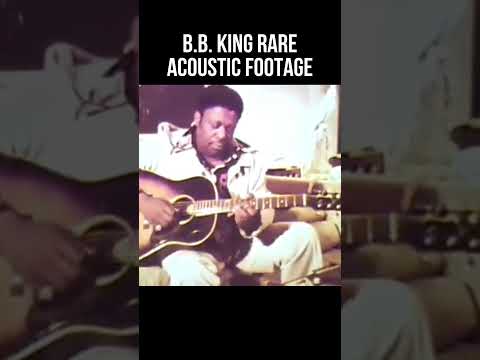
BB King
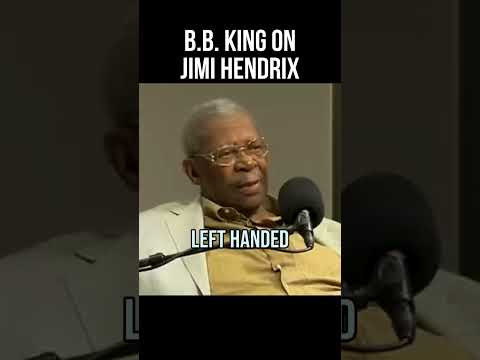
BB King
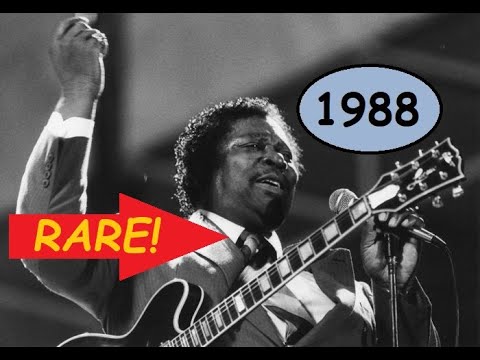
BB King
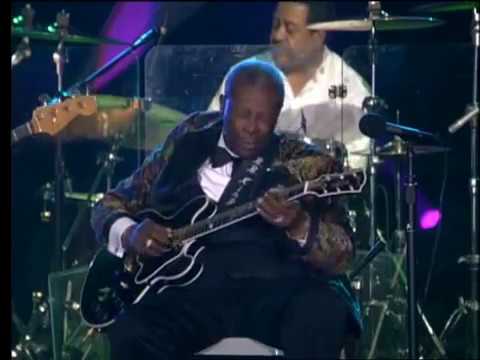
BB King
BB King
BB King
BB King
BB King
BB King
B.B. King, BB King

BB King

B.B. King, BB King
B.B. King, BB King, Slash
![Thumbnail for B.B. King & Friends - A Blues Session [live in L.A. 1987] by B.B. King, BB King](https://img.youtube.com/vi/yOSnUmLt5VQ/hqdefault.jpg)
B.B. King, BB King
B.B. King, BB King, Slash, Ronnie Wood
BB King
![Thumbnail for B.B. King - The Thrill Is Gone [Crossroads 2010] (Official Live Video) by B.B. King, BB King](https://img.youtube.com/vi/SgXSomPE_FY/hqdefault.jpg)
B.B. King, BB King
Muddy Waters
Muddy Waters
Buddy Guy, Muddy Waters

Muddy Waters
Muddy Waters

Muddy Waters
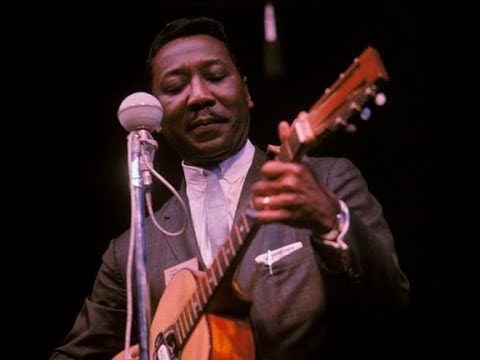
Muddy Waters
Janis Joplin
Janis Joplin
Janis Joplin
Janis Joplin
Janis Joplin
Janis Joplin
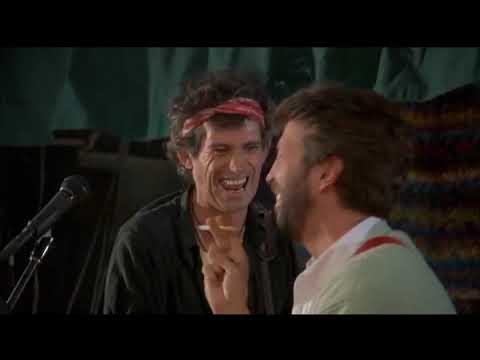
Eric Clapton
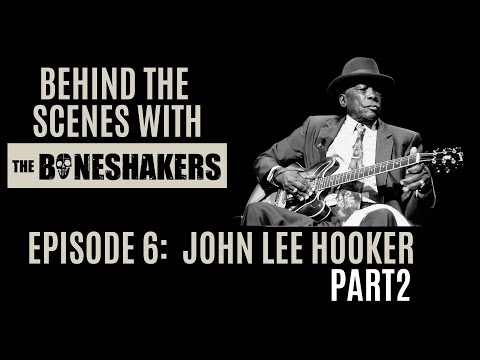
John Lee Hooker
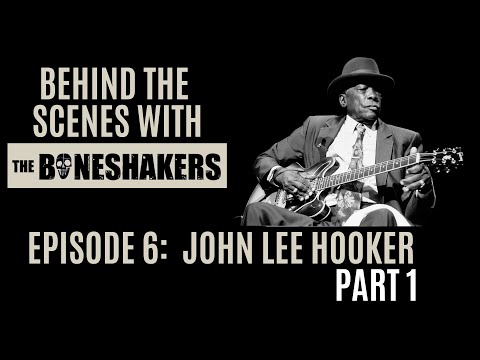
John Lee Hooker
John Lee Hooker
John Lee Hooker
John Lee Hooker
John Lee Hooker
John Lee Hooker
John Lee Hooker
John Lee Hooker
Muddy Waters
Muddy Waters
Muddy Waters
![Thumbnail for Muddy Waters- Interview 1979 [RITY Archives] by Muddy Waters](https://img.youtube.com/vi/qTDfhWTA29I/hqdefault.jpg)
Muddy Waters
Muddy Waters
Muddy Waters
Muddy Waters

Muddy Waters
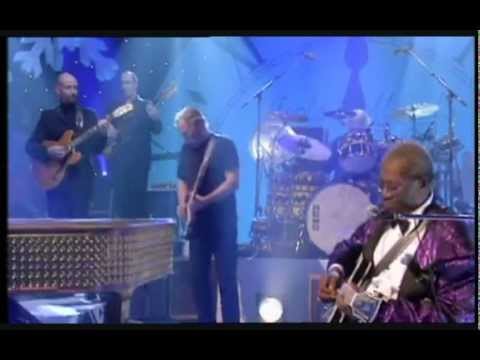
David Gilmour, B.B. King, BB King

B.B. King, BB King
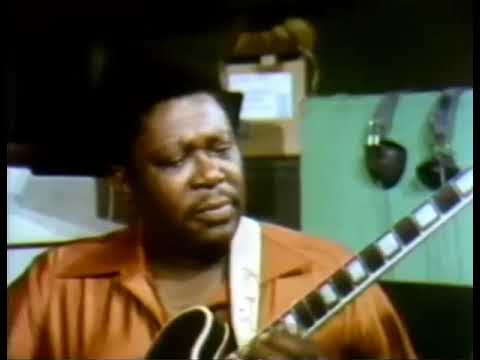
B.B. King, BB King
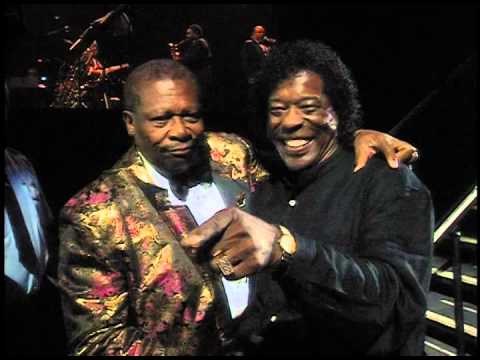
B.B. King, BB King
![Thumbnail for BB King - Interview [CNBC 1991] by BB King](https://img.youtube.com/vi/M2Cmlr7N0pQ/hqdefault.jpg)
BB King
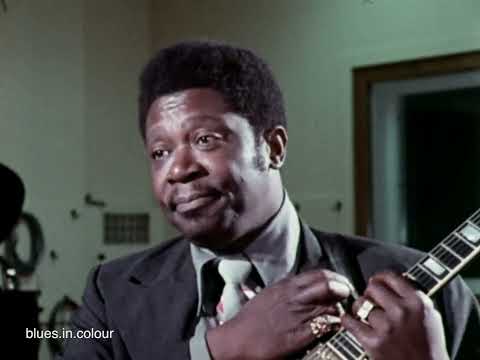
BB King
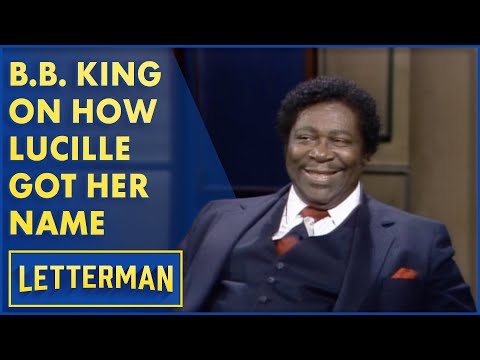
B.B. King, BB King
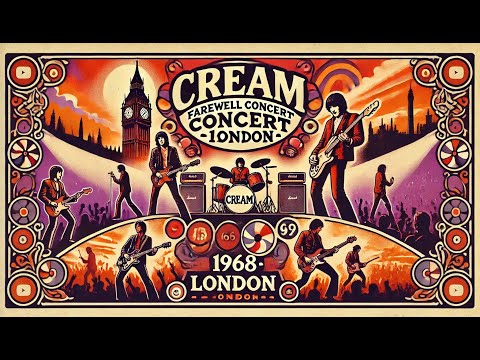
Cream

Cream
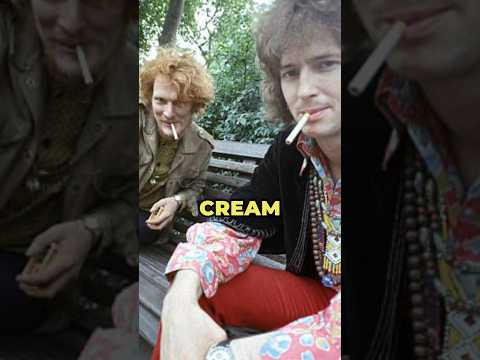
Cream
Cream
Cream
Cream
Janis Joplin
 Advisory
Janis Joplin
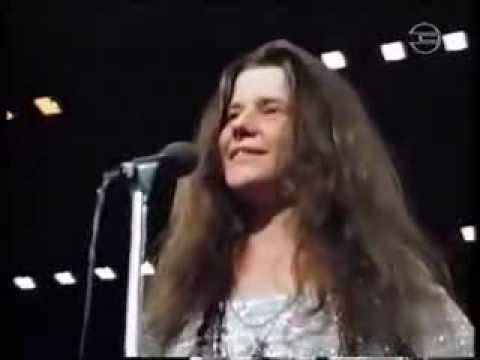
Janis Joplin

Janis Joplin
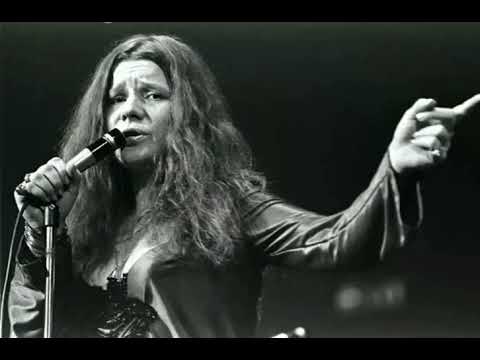
Janis Joplin
Janis Joplin
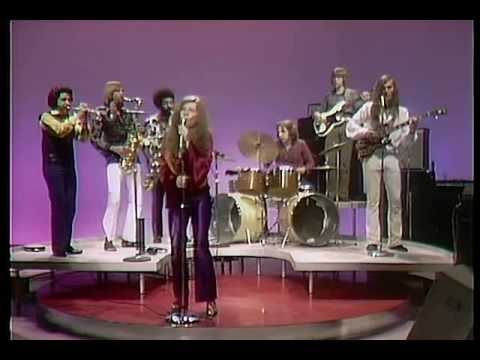 Advisory
Janis Joplin
Janis Joplin
Janis Joplin
Janis Joplin
![Thumbnail for Eric Clapton - Layla [Unplugged...Over 30 Years Later] (Official Live Video) by Eric Clapton](https://img.youtube.com/vi/kseSoguuiCs/hqdefault.jpg)
Eric Clapton
Eric Clapton
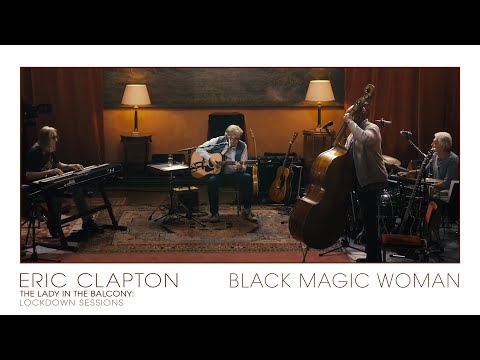
Eric Clapton
Eric Clapton
Eric Clapton
Eric Clapton
Eric Clapton
Eric Clapton, Pete Townshend
Cream

Cream

Cream
Janis Joplin
Stevie Ray Vaughan
Stevie Ray Vaughan
Stevie Ray Vaughan
Stevie Ray Vaughan
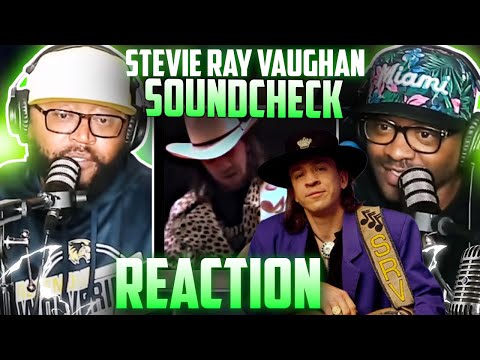
Stevie Ray Vaughan
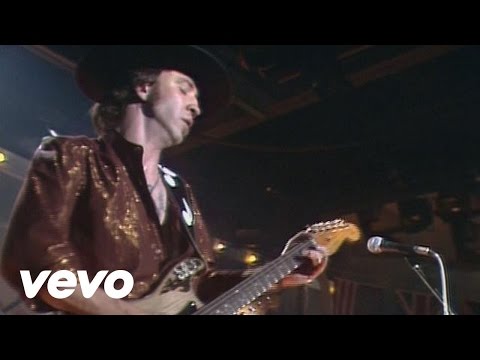
Stevie Ray Vaughan
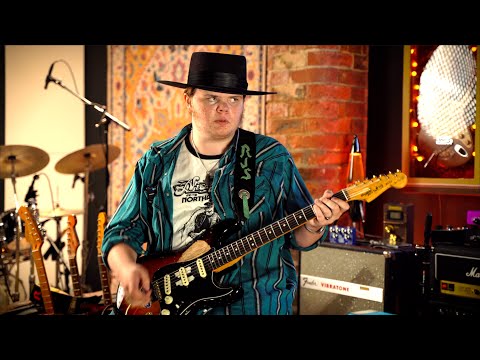
Stevie Ray Vaughan
Stevie Ray Vaughan
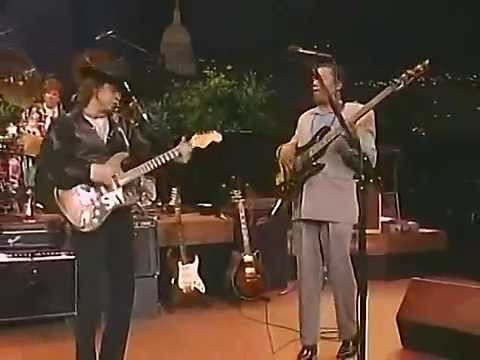
Stevie Ray Vaughan
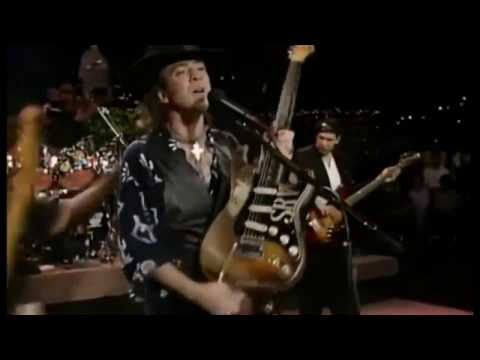
Stevie Ray Vaughan
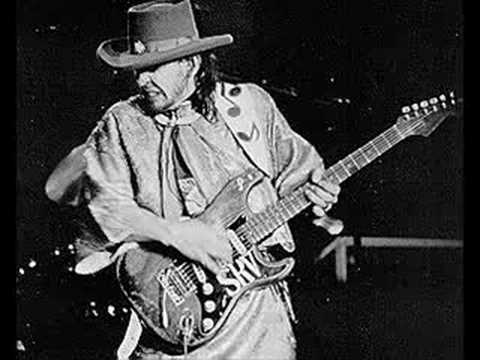
Stevie Ray Vaughan
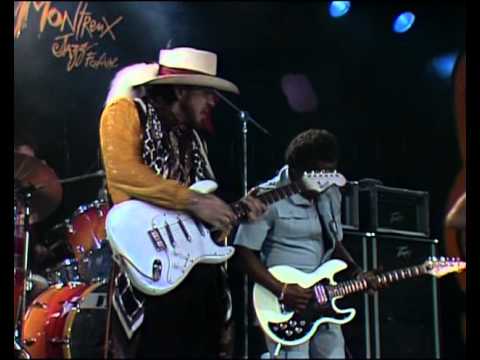
Stevie Ray Vaughan
Stevie Ray Vaughan
Stevie Ray Vaughan
Stevie Ray Vaughan
Stevie Ray Vaughan
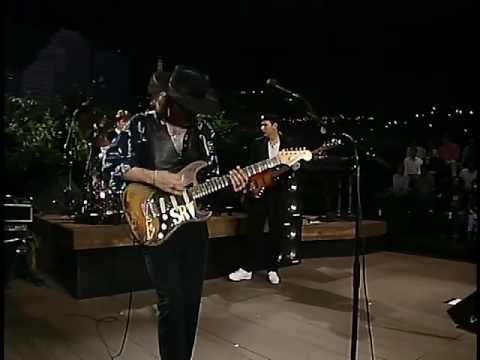
Stevie Ray Vaughan

Stevie Ray Vaughan
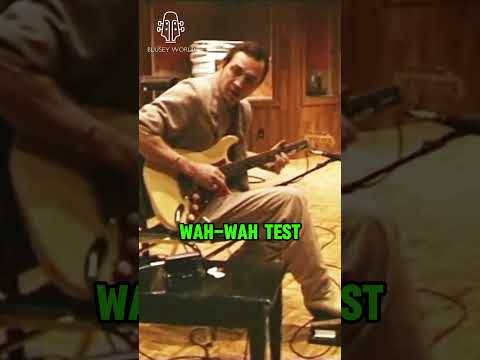
Stevie Ray Vaughan
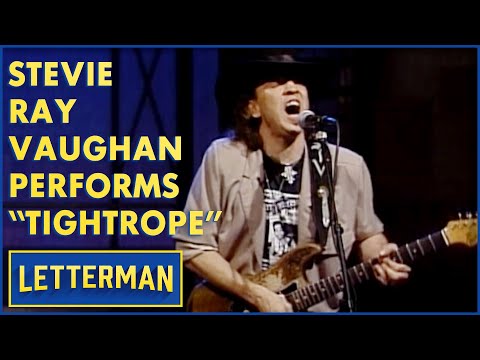
Stevie Ray Vaughan
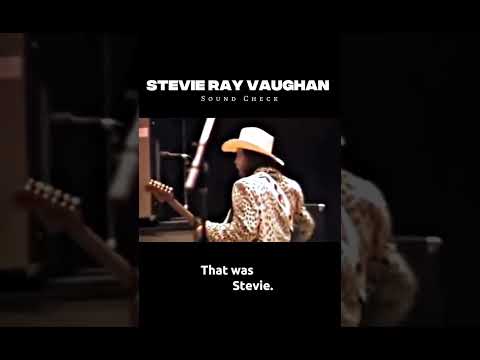
Stevie Ray Vaughan
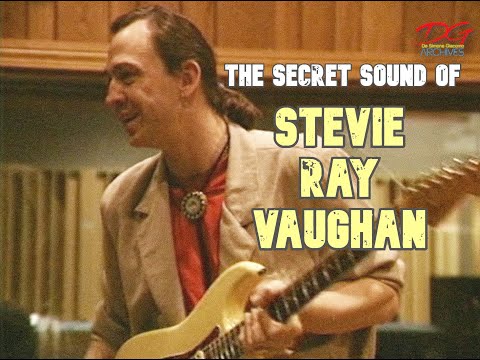
Stevie Ray Vaughan
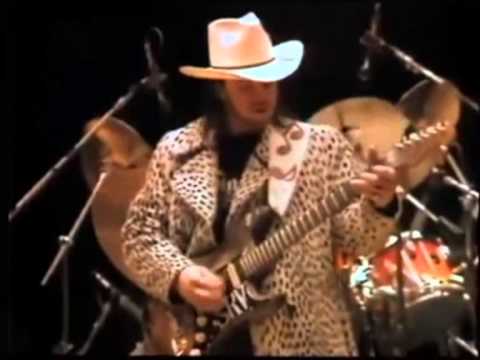
Stevie Ray Vaughan
Cream
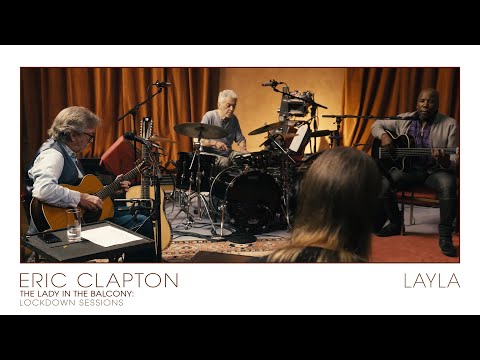
Eric Clapton
Eric Clapton
![Thumbnail for Eric Clapton - I Shot The Sheriff [Crossroads 2010] (Official Live Video) by Eric Clapton](https://img.youtube.com/vi/APWhx97QvxE/hqdefault.jpg)
Eric Clapton
![Thumbnail for Eric Clapton - Tears In Heaven [Unplugged...Over 30 Years Later] (Official Live Video) by Eric Clapton](https://img.youtube.com/vi/tUU1GLMdnkM/hqdefault.jpg)
Eric Clapton
Stevie Ray Vaughan