Freddie King — Rare Footage & Clips
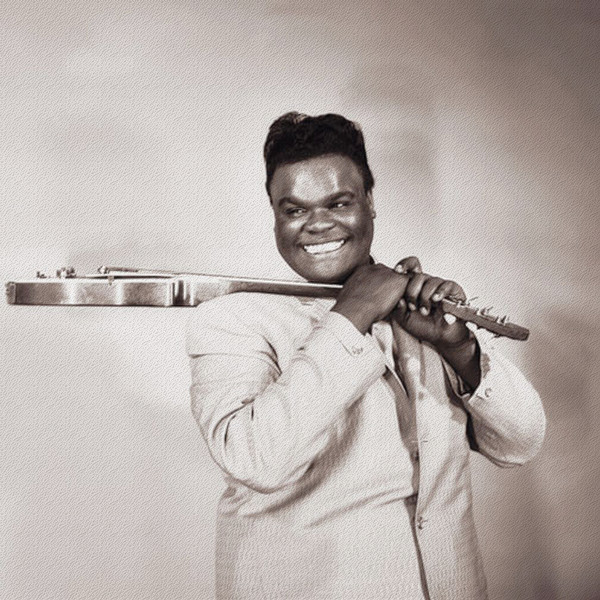
Freddie King's legacy as one of the most influential electric blues guitarists of all time is a testament to his unwavering dedication to the craft. Born on September 3, 1934, in Gilmer, Texas, King's journey began at a young age, laying the foundation for a career that would span over four decades and leave an indelible mark on music history.
King's early life in rural Texas was marked by hardship and struggle, but it also instilled in him a deep love for music. He moved to Chicago in 1949, where he was exposed to the vibrant blues scene that was thriving at the time. This exposure had a profound impact on King, shaping his unique style and influencing the direction of his career.
In 1956, King cut his first record as a leader, marking the beginning of a remarkable journey that would take him from the depths of Chicago's blues clubs to the heights of international recognition. Throughout the 1960s, King released a string of critically acclaimed albums, including "Texas Flyer," "Texas in My Blues," and "Freddy King Sings." These records showcased his mastery of the electric guitar, as well as his soulful vocals and poignant songwriting.
One of the most significant aspects of King's career was his ability to transcend racial boundaries. As one of the first bluesmen to feature a multi-racial backing band at live performances, King helped pave the way for future generations of musicians. This innovative approach not only reflected his own inclusive spirit but also underscored the universal language of music.
The 1960s were a pivotal time in King's career, marked by a series of albums that showcased his versatility and range. "Freddy King Sings" (1961) and "Let's Hide Away and Dance Away with Freddie King" (1961) demonstrated King's ability to craft catchy, blues-infused pop songs, while "Bossa Nova and Blues" (1963) highlighted his interest in exploring the fusion of Brazilian rhythms with traditional blues.
King's influence on other musicians cannot be overstated. He was often mentioned alongside Albert King and B.B. King as one of the three kings of electric blues guitar, a testament to his status as a true innovator and master of his craft. In 1993, King's contributions were recognized by the state of Texas, which declared September 3 – his birthday – Freddie King Day.
The significance of King's legacy extends far beyond his own music. He played a crucial role in shaping the sound of electric blues, influencing generations of musicians to come. His induction into the Rock and Roll Hall of Fame in 2012 was a testament to his enduring impact on popular music.
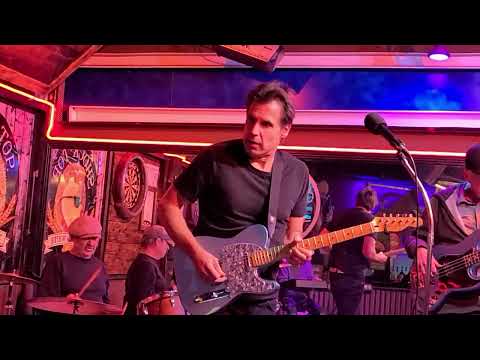
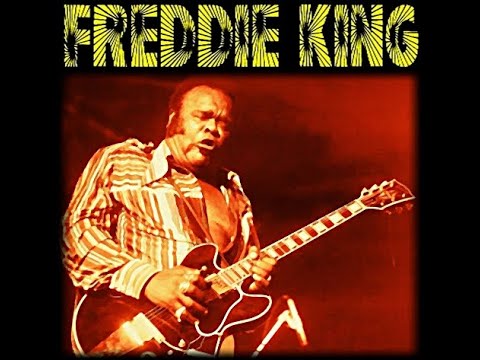
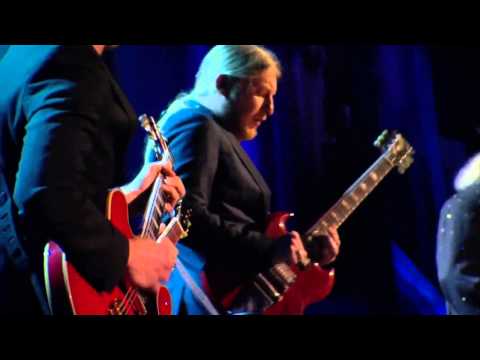
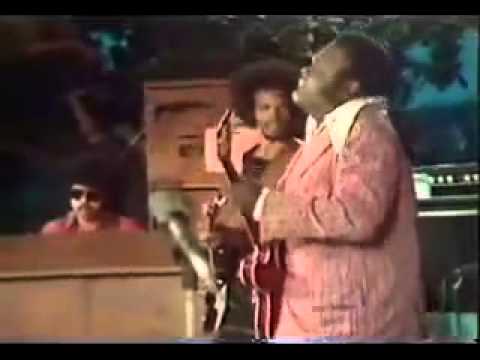
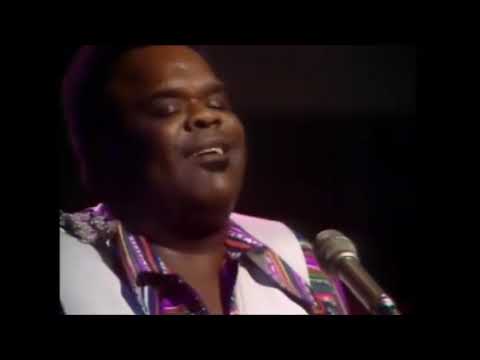
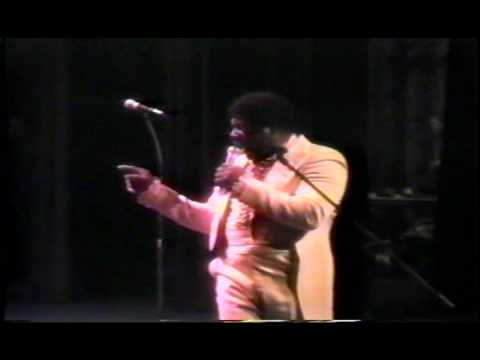
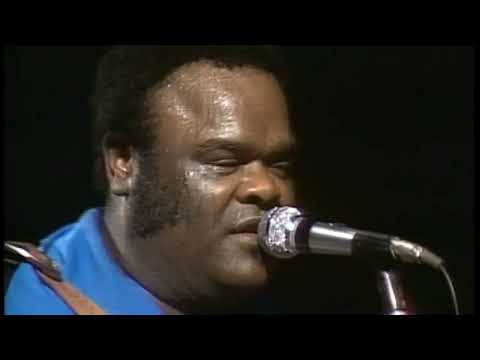
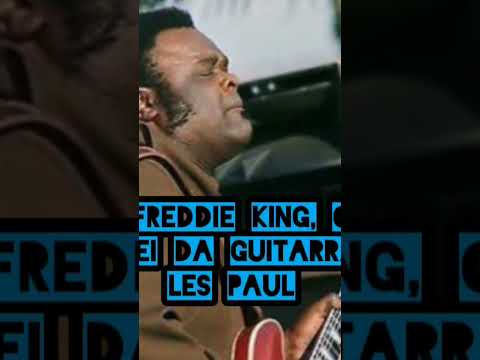
In addition to his impressive discography, King's live performances were renowned for their energy and passion. He was known for his ability to connect with audiences, conveying the raw emotion and intensity that defined his music. The DeepCutsArchive has an extensive collection of rare footage featuring King in action, including a 1967 performance at the Fillmore West in San Francisco.
One clip from the archive shows King delivering a blistering rendition of "Hide Away," his voice soaring as he trades licks with his guitarist. Another clip captures him performing "Going Down," his fingers flying across the fretboard as he conjures up a maelstrom of sound.
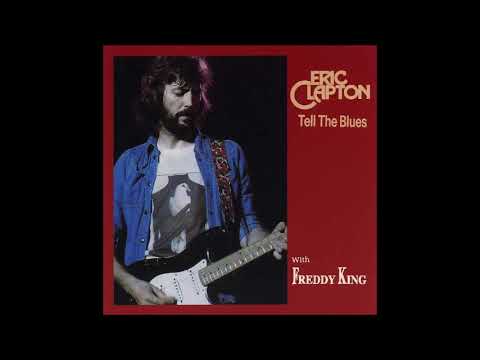
King's influence can be heard in the work of countless musicians, from Eric Clapton to Stevie Ray Vaughan. His innovative approach to the electric guitar helped pave the way for future generations of blues and rock musicians. As we delve into King's remarkable story, it becomes clear that his legacy extends far beyond his own music – he played a pivotal role in shaping the sound of popular music itself.
In 1993, Texas Governor Ann Richards proclaimed September 3 Freddie King Day, acknowledging the profound impact he had on the state and its people. This recognition was a testament to King's enduring popularity and influence, as well as his status as a true American original.
King's induction into the Rock and Roll Hall of Fame in 2012 marked the culmination of a lifetime of achievement, cementing his place among the pantheon of music legends. His ranking at number 15 on Rolling Stone magazine's list of the 100 greatest guitarists of all time is a testament to his enduring influence on popular music.
As we explore King's remarkable story, it becomes clear that his legacy extends far beyond his own music – he played a pivotal role in shaping the sound of electric blues and influencing generations of musicians to come. Through his innovative approach to the guitar, his soulful vocals, and his poignant songwriting, King left an indelible mark on music history.
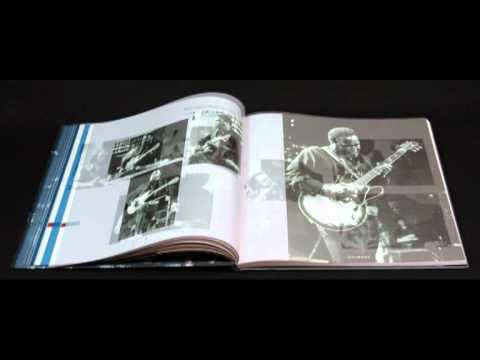
The DeepCutsArchive is proud to showcase Freddie King's remarkable story, featuring rare footage from throughout his career. These clips offer a glimpse into the life of a true music legend, one who continues to inspire and influence musicians to this day.
Curated from public records and music databases.