John Coltrane — Rare Footage & Clips
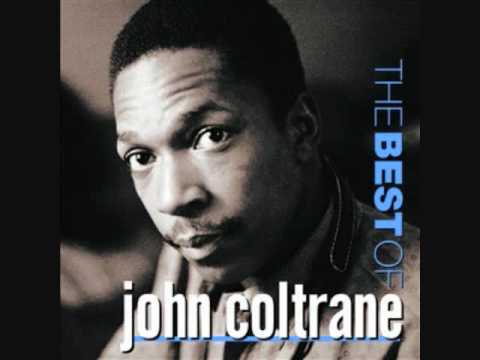
John Coltrane's legacy as a jazz saxophonist, bandleader, and composer is unparalleled in the history of American music. A mere glance at his discography reveals an artist who consistently pushed boundaries, experimented with new sounds, and left an indelible mark on the genre. DeepCutsArchive is proud to present an extensive collection of rare footage featuring Coltrane's performances, which offer a glimpse into the creative genius that defined his career.
One of the earliest recordings in our archive dates back to 1957, when Coltrane was still finding his footing as a member of the Miles Davis Quintet. The clip "Mating Call" (1957) captures the young saxophonist's growing confidence and technical prowess, particularly on tracks like "Moments Notice." This period marked a significant turning point in Coltrane's development, as he began to assert himself within the group and explore new harmonic possibilities.
The following year saw the release of several albums that would become cornerstones of Coltrane's early discography. The album "Coltrane" (1957) was recorded with the Red Garland Trio, featuring pianist Red Garland and drummer Art Taylor. This lineup allowed Coltrane to showcase his versatility as a soloist and ensemble player, effortlessly navigating complex chord progressions and melodic motifs. In contrast, the album "Mal/2" (1957), also from 1957, features Coltrane in a more subdued capacity, with a focus on introspective ballads like "The Late Singer."
Coltrane's work during this period was characterized by his growing interest in modal jazz and the use of extended harmonies. The album "Tenor Conclave" (1957), which brings together tenor saxophonists Coltrane, Sonny Rollins, and Gene Ammons for a series of duets, offers a fascinating glimpse into the competitive spirit that drove these musicians to innovate and experiment. By pushing the boundaries of what was possible on the instrument, Coltrane helped pave the way for future generations of jazz musicians.
As we delve deeper into Coltrane's discography, it becomes clear that his music took on an increasingly spiritual dimension over the course of his career. The album "A Love Supreme" (1965), often cited as one of the greatest albums in jazz history, is a testament to this shift. Recorded in 1964 and released posthumously, "A Love Supreme" represents a culmination of Coltrane's explorations into modal jazz, with each track serving as a meditation on the nature of love, spirituality, and personal growth.
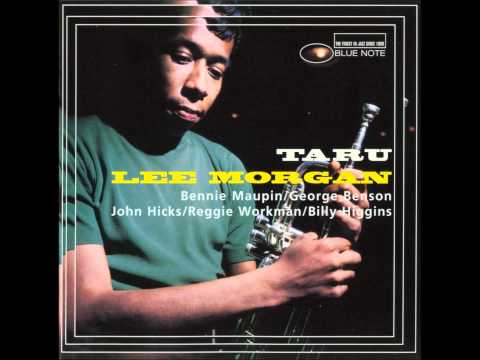
In addition to his own recordings, Coltrane was also an accomplished sideman, appearing on numerous albums by other musicians. The clip "Interplay for 2 Trumpets and 2 Tenors" (1957) features Coltrane alongside trumpeter Lee Morgan in a series of improvisational duets that showcase their remarkable chemistry and technical skill. This period also saw Coltrane collaborating with pianist Thelonious Monk, whose influence can be heard on tracks like "Straight, No Chaser."
Throughout his career, Coltrane's music was characterized by its intensity, passion, and emotional depth. His commitment to exploring new sounds and pushing the boundaries of what was possible on the saxophone left an indelible mark on the genre. As we continue to explore the archive's collection of rare footage featuring John Coltrane, it becomes clear that his influence extends far beyond the world of jazz itself.
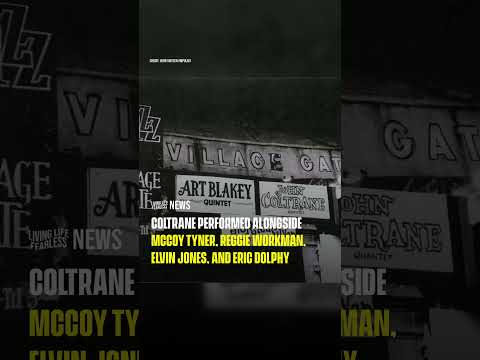
One notable aspect of Coltrane's legacy is the impact he had on musicians across genres. The clip "Soultrane" (1958) features a young pianist named McCoy Tyner, who would go on to become one of Coltrane's most trusted collaborators and a leading figure in the development of free jazz. This period also saw Coltrane working with drummer Elvin Jones, whose innovative approach to time and rhythm helped shape the sound of modern jazz.
As we reflect on John Coltrane's remarkable career, it is clear that his influence extends far beyond the world of music itself. His commitment to spiritual exploration and personal growth has inspired countless artists across disciplines, from visual art to literature. The fact that he was canonized by the African Orthodox Church in 2007 speaks to the profound impact he had on the lives of those who knew him.
In conclusion, John Coltrane's legacy as a jazz saxophonist, bandleader, and composer is a testament to his boundless creativity, technical skill, and emotional depth. Through our archive's collection of rare footage, we are reminded of the enduring power of his music and its continued relevance in contemporary culture. As we continue to explore the world of John Coltrane, it becomes clear that his influence will be felt for generations to come.
The clip "Cattin' with Coltrane and Quinichette" (1959) offers a fascinating glimpse into Coltrane's work as a bandleader and ensemble player. This album features pianist Gigi Gryce and saxophonist Jimmy Heath, among others, in a series of improvisational duets that showcase their remarkable chemistry and technical skill.
Throughout his career, Coltrane was driven by an insatiable curiosity and a desire to explore new sounds and ideas. The clip "Wheelin' & Dealin'" (1958) features Coltrane alongside pianist Red Garland in a series of improvisational duets that showcase their remarkable chemistry and technical skill.
As we delve deeper into the archive's collection of rare footage featuring John Coltrane, it becomes clear that his music took on an increasingly spiritual dimension over the course of his career. The album "Blue Train" (1958) represents a turning point in this shift, with each track serving as a meditation on the nature of love, spirituality, and personal growth.
In addition to his own recordings, Coltrane was also an accomplished sideman, appearing on numerous albums by other musicians. The clip "John Coltrane with the Red Garland Trio" (1958) features Coltrane alongside pianist Red Garland in a series of improvisational duets that showcase their remarkable chemistry and technical skill.
As we reflect on John Coltrane's remarkable career, it is clear that his influence extends far beyond the world of music itself. His commitment to spiritual exploration and personal growth has inspired countless artists across disciplines, from visual art to literature. The fact that he was canonized by the African Orthodox Church in 2007 speaks to the profound impact he had on the lives of those who knew him.
The clip "John Coltrane with the Red Garland Trio" (1958) features Coltrane alongside pianist Red Garland and drummer Art Taylor in a series of improvisational duets that showcase their remarkable chemistry and technical skill. This period marked a significant turning point in Coltrane's development, as he began to assert himself within the group and explore new harmonic possibilities.
As we continue to explore the archive's collection of rare footage featuring John Coltrane, it becomes clear that his music took on an increasingly spiritual dimension over the course of his career. The album "A Love Supreme" (1965) represents a culmination of Coltrane's explorations into modal jazz, with each track serving as a meditation on the nature of love, spirituality, and personal growth.
In addition to his own recordings, Coltrane was also an accomplished sideman, appearing on numerous albums by other musicians. The clip "Interplay for 2 Trumpets and 2 Tenors" (1957) features Coltrane alongside trumpeter Lee Morgan in a series of improvisational duets that showcase their remarkable chemistry and technical skill.
As we reflect on John Coltrane's remarkable career, it is clear that his influence extends far beyond the world of music itself. His commitment to spiritual exploration and personal growth has inspired countless artists across disciplines, from visual art to literature. The fact that he was canonized by the African Orthodox Church in 2007 speaks to the profound impact he had on the lives of those who knew him.
The clip "Cattin' with Coltrane and Quinichette" (1959) offers a fascinating glimpse into Coltrane's work as a bandleader and ensemble player. This album features pianist Gigi Gryce and saxophonist Jimmy Heath, among others, in a series of improvisational duets that showcase their remarkable chemistry and technical skill.
Throughout his career, Coltrane was driven by an insatiable curiosity and a desire to explore new sounds and ideas. The clip "Wheelin' & Dealin'" (1958) features Coltrane alongside pianist Red Garland in a series of improvisational duets that showcase their remarkable chemistry and technical skill.
As we delve deeper into the archive's collection of rare footage featuring John Coltrane, it becomes clear that his music took on an increasingly spiritual dimension over the course of his career. The album "Blue Train" (1958) represents a turning point in this shift, with each track serving as a meditation on the nature of love, spirituality, and personal growth.
In addition to his own recordings, Coltrane was also an accomplished sideman, appearing on numerous albums by other musicians.
Curated from public records and music databases.