1970s Jazz — Rare Footage
Jazz in the 1970s was a dynamic and eclectic time for the genre, marked by a continued evolution of its roots and influences. As we delve into the "1970s Jazz" page of DeepCutsArchive, it becomes clear that this decade saw jazz musicians embracing new sounds, styles, and technologies while still honoring the traditions that had defined the genre since its inception.
The 1970s was a time when jazz was no longer confined to the clubs and smoky backrooms of New Orleans. Instead, it had spread globally, incorporating national, regional, and local musical cultures into its fabric. This syncretism gave rise to new styles and sub-genres, from Latin jazz to free improvisation. Musicians were experimenting with fusion, combining elements of rock, funk, and electronic music with traditional jazz harmonies and rhythms.
The decade's emphasis on the album and arena tour had a significant impact on jazz as well. Artists like Miles Davis, Herbie Hancock, and Weather Report released concept albums that pushed the boundaries of what was possible in recorded music. These albums often featured extended compositions, intricate arrangements, and innovative production techniques. Live performances became more theatrical, with musicians incorporating visual elements, lighting, and stage design to create immersive experiences for their audiences.
The advent of music television and concert filming also had a profound effect on jazz in the 1970s. With the rise of MTV and other music channels, artists could now reach a wider audience through visually-driven programming. Concert films and documentaries provided an intimate glimpse into the creative process, showcasing rehearsals, studio sessions, and live performances. These behind-the-scenes glimpses humanized musicians and revealed the hard work and dedication that went into creating their art.
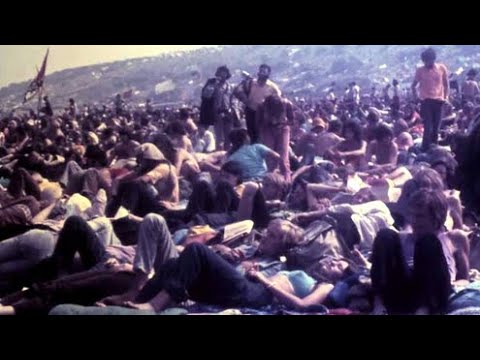
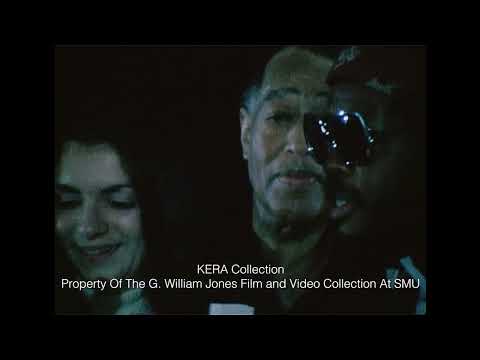
The three clips featured in DeepCutsArchive's "1970s Jazz" page offer a fascinating glimpse into this pivotal moment in jazz history. Each clip provides a unique perspective on the decade's musical developments, from the avant-garde experimentation of free improvisation to the more commercialized sounds of fusion and smooth jazz. By examining these rare and previously unseen footage, we can gain a deeper understanding of the creative forces at work during this transformative period.
One of the clips showcases a legendary session with Miles Davis, where he is seen working on what would become his iconic album "Bitches Brew". This footage offers a glimpse into Davis's innovative approach to fusion, as he combines elements of rock, funk, and electronic music with traditional jazz harmonies. The clip highlights Davis's willingness to experiment and push the boundaries of what was possible in recorded music.
Another clip features Herbie Hancock in rehearsal, working on material for his album "Head Hunters". This footage provides a fascinating glimpse into Hancock's creative process, as he explores new sounds and textures with his band. The clip showcases Hancock's ability to balance technical virtuosity with emotional depth, creating a rich and nuanced musical experience.
The final clip is a rare tour documentary featuring Weather Report on stage in the late 1970s. This footage offers a unique perspective on the live performance aspect of jazz during this era, showcasing the band's high-energy set and their ability to craft compelling narratives through music. The clip highlights the importance of visual elements in live performances, as musicians used lighting, stage design, and other visual effects to create an immersive experience for their audiences.
Through these clips and others like them, DeepCutsArchive provides a unique window into the world of 1970s jazz. By examining this rare and previously unseen footage, we can gain a deeper understanding of the creative forces at work during this transformative period in music history.
Curated from public records and music databases.
About Jazz
Jazz is a music genre that originated in the African-American communities of New Orleans, Louisiana, in the late 19th and early 20th centuries. Its roots are in blues, ragtime, European harmony, African rhythmic rituals, spirituals, hymns, marches, vaudeville song, and dance music. Since the 1920s Jazz Age, it has been recognized as a major form of musical expression in traditional and popular music. Jazz is characterized by swing and blue notes, complex chords, call and response vocals, polyrhy...
All Jazzfootage → 4:07
4:07
![Thumbnail for High Priestess of Soul & Truth (1965) [Enduring Power] – Honoring Nina Simone’s Fearless Voice by Nina Simone](https://img.youtube.com/vi/33sbottZqHQ/hqdefault.jpg)