 2:04
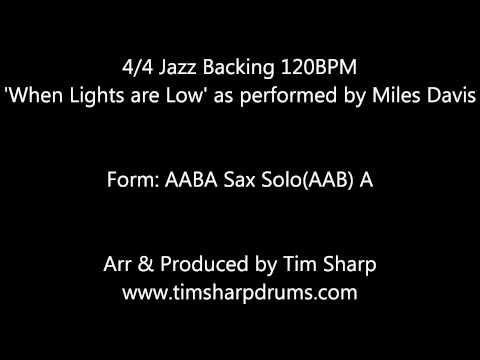
2:044/4 Drumless Backing Track 'When Lights are Low' - Playalong
Head, Miles Davis
Rare
Jazz is a music genre that originated in the African-American communities of New Orleans, Louisiana, in the late 19th and early 20th centuries. Its roots are in blues, ragtime, European harmony, African rhythmic rituals, spirituals, hymns, marches, vaudeville song, and dance music. Since the 1920s Jazz Age, it has been recognized as a major form of musical expression in traditional and popular music. Jazz is characterized by swing and blue notes, complex chords, call and response vocals, polyrhythms and improvisation.
Learn more on Wikipedia →Jazz is a musical genre that has been woven into the fabric of American culture, its roots tracing back to the African-American communities of New Orleans in the late 19th and early 20th centuries. The rich tapestry of Jazz is a testament to the power of cultural fusion, born from the confluence of blues, ragtime, European harmony, African rhythmic rituals, spirituals, hymns, marches, vaudeville song, and dance music.
The significance of Jazz lies not only in its unique sound but also in its ability to transcend geographical boundaries. As it spread around the world, Jazz drew upon national, regional, and local musical cultures, giving rise to diverse styles that continue to captivate audiences today. From the early 1910s New Orleans jazz, characterized by collective polyphonic improvisation, to the swing big bands of the 1930s, Kansas City jazz's hard-swinging bluesy style, and gypsy jazz's emphasis on musette waltzes, each era has contributed to the evolution of this dynamic genre.
One of the defining features of Jazz is its reliance on improvisation. This spontaneous creativity allows musicians to push boundaries, experiment with new sounds, and create an unparalleled sense of excitement in live performances. The call-and-response vocals, polyrhythms, and complex chords that are hallmarks of Jazz music all contribute to a sonic landscape that is both intricate and expressive.
The archive's collection of rare footage offers a unique glimpse into the world of Jazz, showcasing some of its most influential figures. Miles Davis, John Coltrane, Thelonious Monk, Louis Armstrong, Duke Ellington, Billie Holiday, and Nina Simone are just a few of the legendary artists who have left an indelible mark on this genre.
These pioneers not only helped shape the sound of Jazz but also expanded its scope, incorporating elements from other musical traditions. For instance, Miles Davis's iconic album "Kind of Blue" (1959) is often cited as one of the greatest Jazz recordings of all time, with its modal experimentation and introspective melodies. Similarly, John Coltrane's work in the 1960s, particularly his spiritual jazz explorations, has had a profound impact on contemporary music.
The archive's collection also highlights the significance of Jazz as a platform for social commentary and activism. Artists like Billie Holiday, with her powerful voice and poignant lyrics, used their music to address issues such as racism and injustice. Her rendition of "Strange Fruit" (1939), with its haunting melody and devastating lyrics, is a searing indictment of lynching in the United States.
The rare footage in this archive serves not only as a testament to the artistry of these musicians but also as a window into the cultural context that gave rise to Jazz. By witnessing these legendary performers on stage, we gain insight into the creative process, the camaraderie among musicians, and the audience's emotional response to the music.
The diversity of styles within Jazz is another aspect that sets it apart from other genres. From the early days of New Orleans jazz to the swing big bands, Kansas City jazz, gypsy jazz, bebop, and beyond, each era has contributed its unique flavor to the genre. This eclecticism has allowed Jazz to remain vibrant and dynamic, constantly evolving in response to changing musical landscapes.
The significance of this archive lies not only in its collection of rare footage but also in its preservation of a cultural heritage that continues to inspire new generations of musicians and music lovers alike. As we delve into the world of Jazz through these archival recordings, we are reminded of the power of music to transcend time, geography, and culture.
The legacy of Jazz is one of innovation, experimentation, and creative expression. It has influenced countless other genres, from blues and rock to hip-hop and electronic music. The rare footage in this archive serves as a reminder of the genre's rich history, its pioneers' groundbreaking contributions, and its continued relevance today.
As we explore the world of Jazz through these archival recordings, we are treated to a kaleidoscope of sounds, styles, and emotions. From the swinging rhythms of Louis Armstrong to the introspective melodies of Miles Davis, each artist has left an indelible mark on this genre. The rare footage in this archive offers a unique opportunity to experience the magic of Jazz firsthand, allowing us to appreciate its beauty, complexity, and enduring appeal.
In the world of Jazz, improvisation is not just a technical skill but also a spiritual practice. It requires a deep connection with oneself, one's fellow musicians, and the audience. The rare footage in this archive captures the essence of this creative process, showcasing the joy, passion, and intensity that define the art of Jazz.
The significance of Jazz lies not only in its musical innovations but also in its role as a cultural ambassador. It has helped bridge geographical divides, fostered cross-cultural understanding, and provided a platform for social commentary and activism. The rare footage in this archive serves as a testament to the genre's enduring power and relevance.
As we delve into the world of Jazz through these archival recordings, we are reminded of the importance of preserving our cultural heritage. The rare footage in this archive is not only a treasure trove of musical history but also a reminder of the need for continued innovation, experimentation, and creative expression.
The legacy of Jazz is one that continues to inspire new generations of musicians and music lovers alike. Its influence can be heard in every corner of the globe, from the blues clubs of Chicago to the jazz clubs of Tokyo. The rare footage in this archive serves as a reminder of the genre's rich history, its pioneers' groundbreaking contributions, and its continued relevance today.
In the world of Jazz, creativity knows no bounds. It is a genre that has been shaped by countless influences, from African rhythms to European harmonies, blues to ragtime. The rare footage in this archive captures the essence of this creative process, showcasing the artistry, passion, and innovation that define the music of Jazz.
The significance of Jazz lies not only in its musical innovations but also in its role as a cultural ambassador. It has helped bridge geographical divides, fostered cross-cultural understanding, and provided a platform for social commentary and activism. The rare footage in this archive serves as a testament to the genre's enduring power and relevance.
As we explore the world of Jazz through these archival recordings, we are treated to a kaleidoscope of sounds, styles, and emotions. From the swinging rhythms of Louis Armstrong to the introspective melodies of Miles Davis, each artist has left an indelible mark on this genre. The rare footage in this archive offers a unique opportunity to experience the magic of Jazz firsthand, allowing us to appreciate its beauty, complexity, and enduring appeal.
The legacy of Jazz is one that continues to inspire new generations of musicians and music lovers alike. Its influence can be heard in every corner of the globe, from the blues clubs of Chicago to the jazz clubs of Tokyo. The rare footage in this archive serves as a reminder of the genre's rich history, its pioneers' groundbreaking contributions, and its continued relevance today.
In the world of Jazz, creativity knows no bounds. It is a genre that has been shaped by countless influences, from African rhythms to European harmonies, blues to ragtime. The rare footage in this archive captures the essence of this creative process, showcasing the artistry, passion, and innovation that define the music of Jazz.
The significance of Jazz lies not only in its musical innovations but also in its role as a cultural ambassador. It has helped bridge geographical divides, fostered cross-cultural understanding, and provided a platform for social commentary and activism. The rare footage in this archive serves as a testament to the genre's enduring power and relevance.
As we explore the world of Jazz through these archival recordings, we are treated to a kaleidoscope of sounds, styles, and emotions. From the swinging rhythms of Louis Armstrong to the introspective melodies of Miles Davis, each artist has left an indelible mark on this genre. The rare footage in this archive offers a unique opportunity to experience the magic of Jazz firsthand, allowing us to appreciate its beauty, complexity, and enduring appeal.
The legacy of Jazz is one that continues to inspire new generations of musicians and music lovers alike. Its influence can be heard in every corner of the globe, from the blues clubs of Chicago to the jazz clubs of Tokyo. The rare footage in this archive serves as a reminder of the genre's rich history, its pioneers' groundbreaking contributions, and its continued relevance today.
In the world of Jazz, creativity knows no bounds. It is a genre that has been shaped by countless influences, from African rhythms to European harmonies, blues to ragtime. The rare footage in this archive captures the essence of this creative process, showcasing the artistry, passion, and innovation that define the music of Jazz.
The significance of Jazz lies not only in its musical innovations but also in its role as a cultural ambassador. It has helped bridge geographical divides, fostered cross-cultural understanding, and provided a platform for social commentary and activism. The rare footage in this archive serves as a testament to the genre's enduring power and relevance.
As we explore the world of Jazz through these archival recordings, we are treated to a kaleidoscope of sounds, styles, and emotions. From the swinging rhythms of Louis Armstrong to the introspective melodies of Miles Davis, each artist has left an indelible mark on this genre. The rare footage in this archive offers a unique opportunity to experience the magic of Jazz firsthand, allowing us to appreciate its beauty, complexity, and enduring appeal.
The legacy of Jazz is one that continues to inspire new generations of musicians and music lovers alike. Its influence can be heard in every corner of the globe, from the blues clubs of Chicago to the jazz clubs of Tokyo. The rare footage in this archive serves as a reminder of the genre's rich history, its pioneers' groundbreaking contributions, and its continued relevance today.
In the world of Jazz, creativity knows no bounds. It is a genre that has been shaped by countless influences, from African
Curated from public records and music databases.
Jazz is a music genre that originated in the African-American communities of New Orleans, Louisiana, in the late 19th and early 20th centuries. Its roots are in blues, ragtime, European harmony, African rhythmic rituals, spirituals, hymns, marches, vaudeville song, and dance music. Since the 1920s Jazz Age, it has been recognized as a major form of musical expression in traditional and popular music. Jazz is characterized by swing and blue notes, complex chords, call and response vocals, polyrhythms and improvisation. As jazz spread around the world, it drew on national, regional, and local musical cultures, which gave rise to different styles. New Orleans jazz began in the early 1910s, combining earlier brass band marches, French quadrilles, biguine, ragtime and blues with collective polyphonic improvisation. However, jazz did not begin as a single musical tradition in New Orleans or elsewhere. In the 1930s, arranged dance-oriented swing big bands, Kansas City jazz (a hard-swinging, bluesy, improvisational style), and gypsy jazz (a style that emphasized musette waltzes) were the prominent styles. Bebop emerged in the 1940s, shifting jazz from danceable popular music toward a more challenging...
2:04Head, Miles Davis
 21:03
21:03Herbie Hancock, Duke Ellington, Michael Jackson
 4:08
4:08Linda Ronstadt, the ramo, Duran Duran, R.E.M., L.A.B., John Coltrane, Ray Charles, the ram, Ramones, Curtis Mayfield, VAST, The Doors, the ramones, P.O.D., Van Halen, Edwin, Black Sabbath, Y&T, the ramone
 3:08
3:08lovin', Louis Armstrong, Stew, Junior h, The Band, Pee Wee Russell, Jazz band, Cher, Jimmy Rushing, Y&T
 4:07
4:07Linda Ronstadt, the ramo, Duran Duran, L.A.B., John Coltrane, Ray Charles, the ram, Ramones, Curtis Mayfield, Madonna, VAST, The Doors, the ramones, P.O.D., Van Halen, Black Sabbath, Y&T, the ramone
 1:29:57
Ween, Ride, Thelonious Monk, McBride & the Ride, Y&T
 5:41
5:41Miles Davis
 3:54
3:54John Johnson, Jam session, Simon Johns, Nina Simone
 3:44
3:44J.O.E., Joe Strummer, L.A.B., Herbie Hancock, Head, John Coltrane, ponch, Ween, Jazz band, NME, Tower of Power, poncho sanche, Cher, poncho san, Y&T, poncho sanchez
 5:26
5:26J.O.E., Joe Strummer, L.A.B., Head, John Coltrane, ponch, Ween, Jazz band, NME, Tower of Power, poncho sanche, Cher, poncho san, Y&T, poncho sanchez
 2:16
2:16Rhythm section, Magic!, The Sound, Marvin Gaye, Marquee, The Band, Paul Cook, soo, Miles Davis, Talk Talk, Y&T

John Coltrane

John Coltrane

John Coltrane
 12:47
12:47Marvin Gaye, L.A.B., Lauryn Hill, Bob Dylan, Prince, David Bowie, Leonard Cohen, Miles Davis, Nina Simone
![Thumbnail for Billie Holiday • “Foolin’ Myself/Easy To Remember” • 1958 [Reelin' In The Years Archive] by Billie Holiday](https://img.youtube.com/vi/INLeedXffMI/hqdefault.jpg)
Billie Holiday
![Thumbnail for James Morrison - Jazzfestival Bern 2018 [radio broadcast] by Deep Purple, R.E.M., Duke Ellington](https://img.youtube.com/vi/qMNhuXPgLmI/hqdefault.jpg) 1:27:10
1:27:10Deep Purple, R.E.M., Duke Ellington
 6:49
6:49L.A.B., John Coltrane, Iration, Cher
 4:55
4:55J.O.E., L.A.B., Patti LaBelle, T.O.K., Ringo Starr, Lyle Lovett, Patti Page, NME, Patti Austin, Labelle, The Jazz Singer, Diego, Songwriter, Miles Davis
 6:12
6:12J.O.E., Valerie Simpson, L.A.B., Patti LaBelle, T.O.K., Ringo Starr, Lyle Lovett, Patti Page, NME, Patti Austin, Labelle, The Jazz Singer, Diego, Songwriter, Miles Davis
 3:43
3:43J.O.E., L.A.B., Patti LaBelle, T.O.K., Ringo Starr, Lyle Lovett, Patti Page, NME, Patti Austin, Labelle, The Jazz Singer, Diego, Songwriter, Miles Davis
 6:08
6:08J.O.E., L.A.B., Head, Patti LaBelle, T.O.K., Ringo Starr, Lyle Lovett, Patti Page, NME, Patti Austin, Labelle, The Jazz Singer, Diego, Songwriter, Miles Davis
 6:04
6:04J.O.E., L.A.B., Patti LaBelle, T.O.K., Ringo Starr, Lyle Lovett, Patti Page, steve gadd, NME, Patti Austin, Labelle, The Jazz Singer, Diego, Songwriter, Miles Davis
 51:23
51:23J.O.E., Natalie Cole, L.A.B., Patti LaBelle, T.O.K., Ringo Starr, Of Montreal, Brownie McGhee, Ride, Lyle Lovett, Patti Page, Patti Austin, Sonny Terry, Smooth jazz, Labelle, P.O.D., The Jazz Singer, Diego, Songwriter, Miles Davis
 6:16
6:16J.O.E., L.A.B., Head, Patti LaBelle, T.O.K., Ringo Starr, Lyle Lovett, Patti Page, NME, Patti Austin, Labelle, The Jazz Singer, Diego, Songwriter, Miles Davis
 4:38
4:38L.A.B., Patti LaBelle, Of Montreal, Patti Page, soo, Patti Austin, Smooth jazz, Labelle, The Jazz Singer, Songwriter, Miles Davis
 9:29
9:29L.A.B., Patti LaBelle, T.O.K., Eric Singer, Of Montreal, Patti Page, Patti Austin, Smooth jazz, Labelle, The Jazz Singer, Songwriter, Miles Davis
 2:58
2:58James Brown, R.E.M., Queen, Ray Charles, Aretha Franklin, Ride, Diana Ross, Michael Jackson, Muddy Waters, Miles Davis, Method Man
 1:38
1:38Louis Armstrong, Mani, Burns
 3:06
3:06Linda Ronstadt, the ramo, Duran Duran, R.E.M., John Coltrane, Ray Charles, the ram, Ramones, Curtis Mayfield, The Band, Madonna, Tommy Stinson, VAST, The Doors, the ramones, P.O.D., The La's, Van Halen, Y&T, the ramone
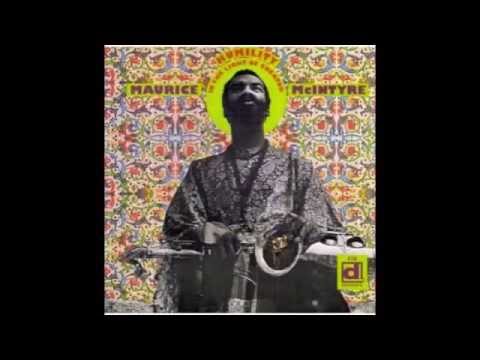 11:23
11:23John Coltrane, Dave Douglas, Cher
 2:34
2:34Nina Simone
 1:35
1:35Nina Simone
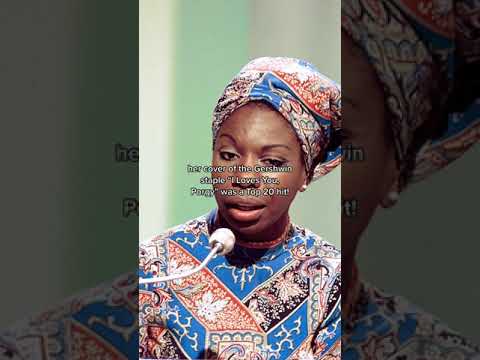 1:00
1:00Nina Simone
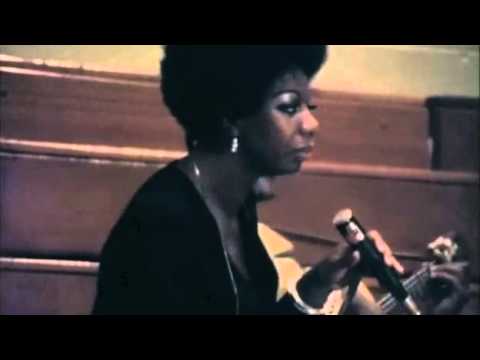 9:21
9:21Nina Simone
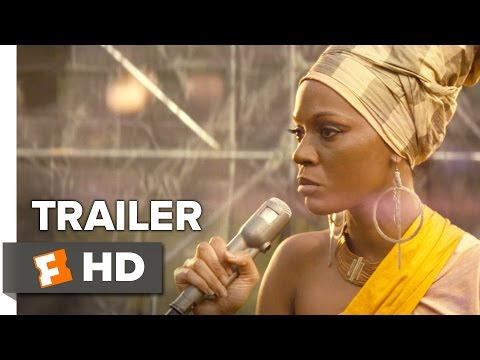 2:31
2:31Nina Simone
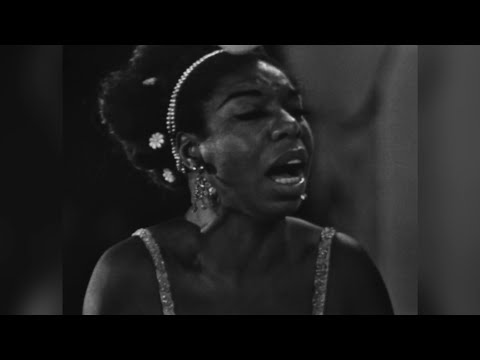 1:00:52
Nina Simone
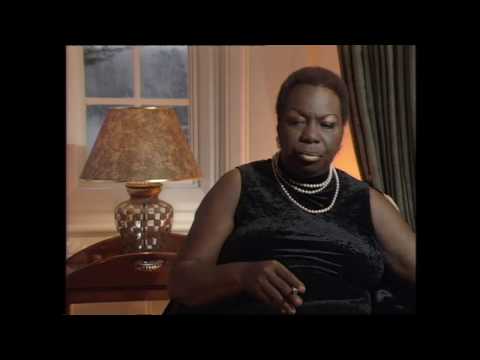 24:26
24:26Nina Simone
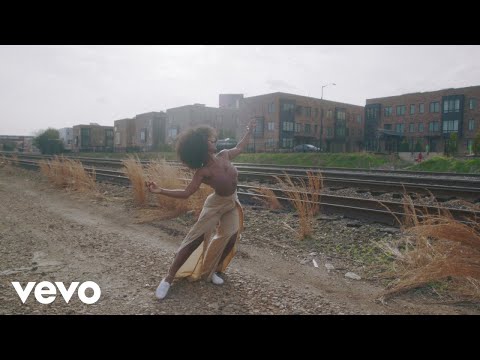 3:03
3:03Nina Simone
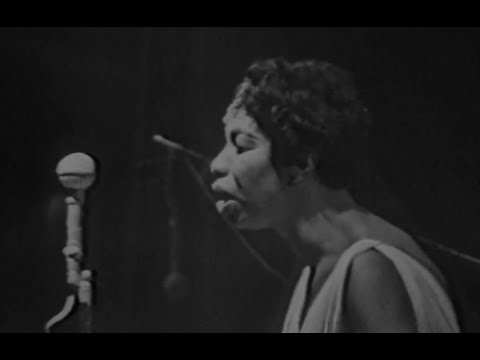 4:36
4:36Nina Simone
 7:08
7:08Nina Simone
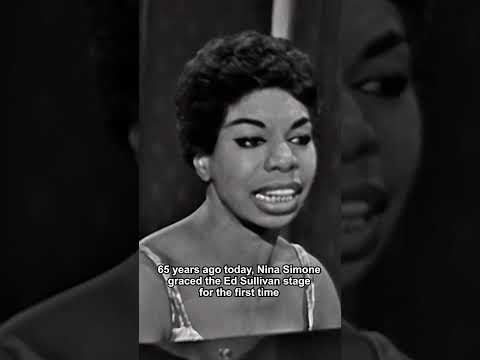 0:29
0:29Nina Simone
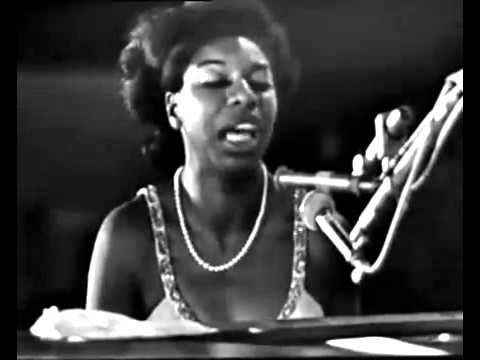 4:41
4:41Nina Simone
 13:41
13:41Nina Simone
![Thumbnail for 60’s Soul Jazz Classic (1965) [Lost Album] Nina Simone & Etta James – “Ashes on a Lonely Heart” by Nina Simone](https://img.youtube.com/vi/XcGWhbSCQL8/hqdefault.jpg) 1:31:56
1:31:56Nina Simone
 0:30
0:30Nina Simone
![Thumbnail for High Priestess of Soul & Truth (1965) [Enduring Power] – Honoring Nina Simone’s Fearless Voice by Nina Simone](https://img.youtube.com/vi/33sbottZqHQ/hqdefault.jpg) 1:19:20
1:19:20Nina Simone
 4:25
4:25Nina Simone
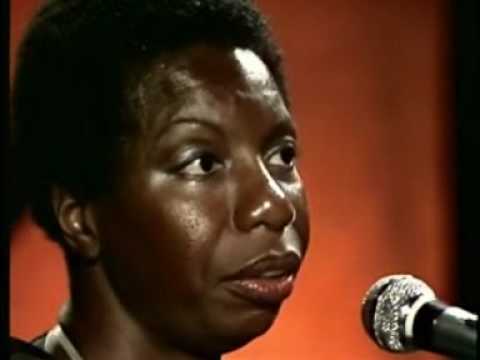 10:00
10:00Nina Simone
 4:08
4:08Nina Simone
 22:14
22:14Nina Simone
 8:43
8:43Nina Simone
 8:19
8:19R.E.M., Sidney Bechet, Duke Ellington, Ride, Y&T
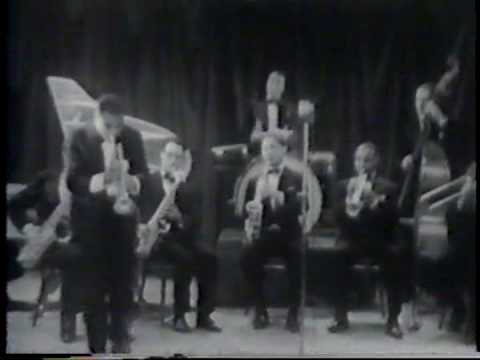 9:43
9:43Louis Armstrong
 2:47
2:47John Coltrane, Miles Davis
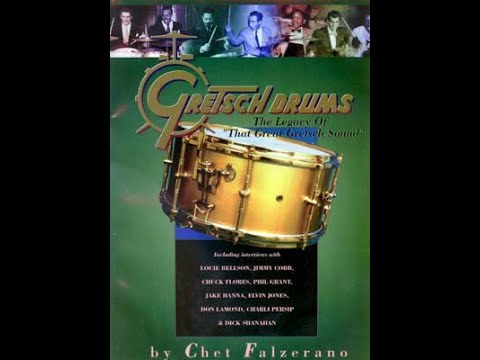 8:09Advisory
Head, Newport Jazz Festival, Thelonious Monk, Eric Dolphy, Y&T
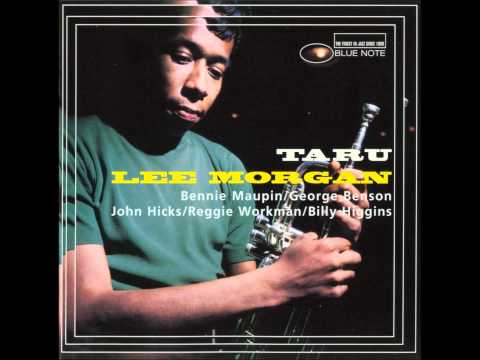 7:08
7:08R.E.M., John Coltrane, Ween, Ride, Y&T
 6:55
6:55The Sound, Louis Armstrong, The Band, Victoria Spivey, Brass band, Don Redman, Cher, Y&T
 29:10
29:10R.E.M., Louis Armstrong, Woody Herman, Ramsey Lewis, Duke Ellington, Jazz violin, Clark Terry, Y&T
![Thumbnail for Miles Davis (1954) FIRST RECORDING [SOLAR] by R.E.M., Head, Ween, Kenny Clarke, Jam session, Jazz standard, Percy Heath, Pat Metheny, Miles Davis](https://img.youtube.com/vi/6Phlsz-n-7g/hqdefault.jpg) 4:55
4:55R.E.M., Head, Ween, Kenny Clarke, Jam session, Jazz standard, Percy Heath, Pat Metheny, Miles Davis
 8:48
8:48John Coltrane
 3:03
3:03Billie Holiday
![Thumbnail for 1940's Jazz Classics [Jazz, Jazz Classics, Smooth Jazz, Vintage Jazz] by R.E.M., Head, Thelonious Monk, Smooth jazz, Y&T](https://img.youtube.com/vi/-bBzIgIaPS4/hqdefault.jpg) 3:51:02
3:51:02R.E.M., Head, Thelonious Monk, Smooth jazz, Y&T
 9:07
9:07Miles Davis
 1:09:58
Louis Armstrong, Frank Sinatra, Y&T
 6:19
6:19ENTREV, Demi Lovato, Taylor Swift, Regina Spektor, Chris Martin, ENTREVIS, R.E.M., Queen, Oasis, Lady Gaga, ENTREVI, Revis, Dr. Dre, Bruno Mars, ENTREVIST, Rihanna, Eminem, Ed Sheeran, Nicki Minaj, The Beatles, ENTRE, Coldplay, Justin Timberlake, Maroon 5, Nina Simone, Y&T
 3:56
3:56Louis Armstrong, Bessie Smith, Nico
 1:46:55
Stevie Wonder, R.E.M., John Coltrane, The 5th Dimension, Andrew White
 1:44
1:44John Coltrane, Andrew White, Jazz improvisation, The Band, Jazz band, ENTRE
 4:37
4:37R.E.M., Queen, Nina Simone
 3:38
3:38R.E.M., Queen, Sine, Nina Simone
 2:45
2:45R.E.M., Queen, Sine, Nina Simone
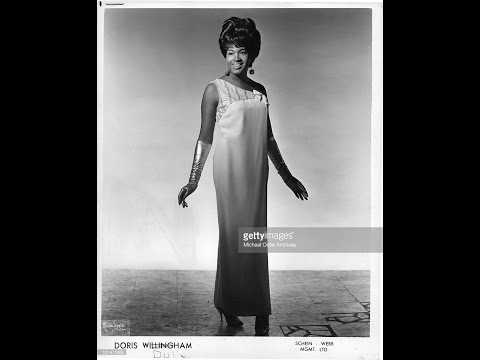 2:39
2:39George Kerr, Rhythm section, R.E.M., Sine, Ween, Loleatta Holloway, Jackie Wilson, Chuck Jackson, Dean Martin, Nina Simone, Y&T, Sting
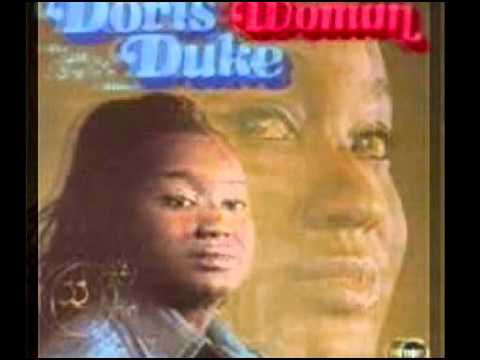 2:53
2:53Queen, Nina Simone
![Thumbnail for Dave Brubeck - Full Concert [HD] | Live at North Sea Jazz Festival 2004 by R.E.M., Louis Armstrong, Herbie Hancock, Ray Charles, Miles Davis](https://img.youtube.com/vi/PesGwOhsruc/hqdefault.jpg) 1:14:02
1:14:02R.E.M., Louis Armstrong, Herbie Hancock, Ray Charles, Miles Davis
 14:00
14:00John Coltrane, Woody Herman, The Band, Ween, Jam session, Frank Sinatra, Youth
 9:28
9:28Thelonious Monk
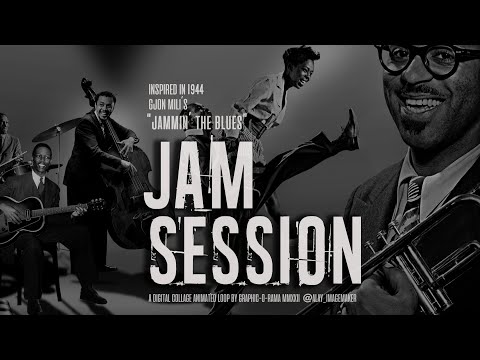 1:02
1:02Duke Ellington, Jam session, Miles Davis, Mae
![Thumbnail for Santana - Full Concert [HD] | Live at North Sea Jazz Festival 2004 by R.E.M., Herbie Hancock, John Coltrane, Sine, Ray Charles, Carlos Santana, The Band, Cream, Frida, Y&T](https://img.youtube.com/vi/UOwvmgjbwDo/hqdefault.jpg) 1:16:57
1:16:57R.E.M., Herbie Hancock, John Coltrane, Sine, Ray Charles, Carlos Santana, The Band, Cream, Frida, Y&T
 1:22:27
Louis Armstrong, Jay-Z, Madonna, Joni Mitchell, The Beatles, Eric Powers, Woody Guthrie
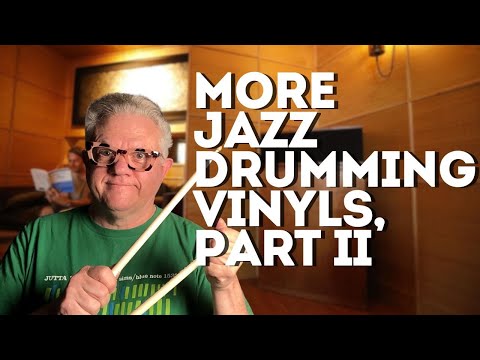 26:02
26:02R.E.M., John Coltrane, Dave Holland, Burns, Steve Jordan, Kenny Clarke, Thelonious Monk, Miles Davis, Jazz drumming
 43:06
43:06Stew, P.O.D., Miles Davis
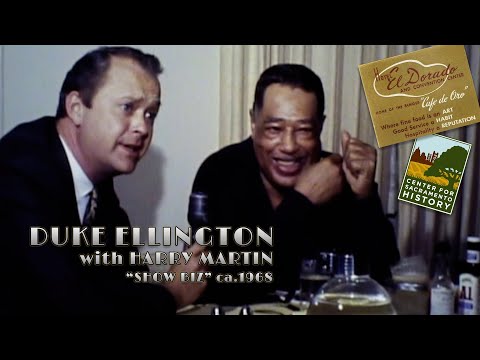 7:24
7:24duke ellington s, R.E.M., Duke Ellington, The La's, duke ellington re
 0:53
0:53The D.O.C., duke ellington s, Duke Ellington, duke ellington re
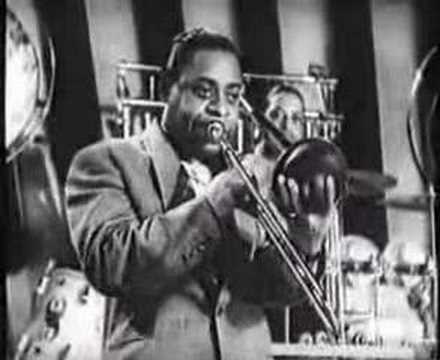 2:46
2:46duke ellington s, Duke Ellington, Jazz standard, duke ellington re
 0:13
0:13duke ellington s, Duke Ellington, Jazz piano, duke ellington re
 9:55
9:55duke ellington s, Louis Armstrong, Duke Ellington, duke ellington re
 2:31:34
duke ellington s, Duke Ellington, duke ellington re
 1:21:02
Rhythm section, duke ellington s, Newport Jazz Festival, Duke Ellington, Clark Terry, Jimmy Hamilton, duke ellington re, Songwriter, Y&T
 3:31
3:31Stevie Wonder, duke ellington s, R.E.M., Louis Armstrong, The Rolling Stones, The Jackson 5, The Temptations, Elvis Presley, Duke Ellington, The Supremes, The Beatles, NME, Rolling Stones, duke ellington re
![Thumbnail for The Great Music Of: Duke Ellington [Jazz Greats, Jazz Classics, Take the "A" Train, Vintage Jazz] by duke ellington s, Duke Ellington, Ween, duke ellington re](https://img.youtube.com/vi/lvvNn44-q7o/hqdefault.jpg) 56:25
56:25duke ellington s, Duke Ellington, Ween, duke ellington re
![Thumbnail for Duke Ellington and his Orchestra - Take The A Train (1962) [Official Video] by The Sound, duke ellington s, R.E.M., The Band, Duke Ellington, Jimmy Hamilton, duke ellington re](https://img.youtube.com/vi/D6mFGy4g_n8/hqdefault.jpg) 2:53
2:53The Sound, duke ellington s, R.E.M., The Band, Duke Ellington, Jimmy Hamilton, duke ellington re
![Thumbnail for Duke Ellington - Satin Doll (1962) [official video] by The Sound, duke ellington s, R.E.M., The Band, Duke Ellington, Jimmy Hamilton, duke ellington re](https://img.youtube.com/vi/wTFPV1pk654/hqdefault.jpg) 3:20
3:20The Sound, duke ellington s, R.E.M., The Band, Duke Ellington, Jimmy Hamilton, duke ellington re
 40:08
40:08duke ellington s, Duke Ellington, duke ellington re
 1:48:45
R.E.M., Duke Ellington, Frida, Big band, Sting
 3:45
3:45Duke Ellington, Frida
 4:24
4:24duke ellington s, Duke Ellington, soo, Nico, duke ellington re
 4:40
4:40duke ellington s, R.E.M., Duke Ellington, duke ellington re, Songwriter
 0:43
0:43Duke Ellington, Burns
![Thumbnail for Duke Ellington - Mood Indigo [Restored] by duke ellington s, Duke Ellington, duke ellington re](https://img.youtube.com/vi/RFUSD23ZXEw/hqdefault.jpg) 4:27
4:27duke ellington s, Duke Ellington, duke ellington re
 3:24
3:24Duke Ellington, Jam session
 3:38
3:38duke ellington s, Duke Ellington, duke ellington re, Sting
 4:45
4:45Duke Ellington, Jam session
 5:03
5:03duke ellington s, Duke Ellington, duke ellington re
 23:23
23:23Billie Holiday, Eddy, Duke Ellington, Ween, Jazz standard, Ella Fitzgerald
 50:06
50:06duke ellington s, Duke Ellington, duke ellington re
 17:01
17:01duke ellington s, Duke Ellington, duke ellington re
 2:51
2:51duke ellington s, Duke Ellington, duke ellington re
 1:04
1:04duke ellington s, Duke Ellington, duke ellington re, Mae, Y&T
 0:45
0:45duke ellington s, Head, The Band, Duke Ellington, Jazz band, duke ellington re
 3:14
3:14duke ellington s, Duke Ellington, duke ellington re
 0:55
0:55duke ellington s, Duke Ellington, duke ellington re
 2:50
2:50Duke Ellington, Nina Simone
 2:36
2:36duke ellington s, Duke Ellington, duke ellington re
 0:50
0:50duke ellington s, Duke Ellington, duke ellington re
 23:11
23:11duke ellington s, Duke Ellington, duke ellington re
 4:14
4:14duke ellington s, Duke Ellington, duke ellington re, Mae, Y&T
 6:22
6:22duke ellington s, R.E.M., Duke Ellington, duke ellington re
 1:57
1:57duke ellington s, The Band, Duke Ellington, duke ellington re, Y&T, Sting
 0:30
0:30duke ellington s, NWA, Duke Ellington, duke ellington re, Y&T
 3:04
3:04Duke Ellington, Jimmy Hamilton, duke ellington re
 2:16
2:16duke ellington s, Duke Ellington, duke ellington re, Sting
 3:13
3:13Duke Ellington, Jazz band
 4:30
4:30duke ellington s, Duke Ellington, duke ellington re
 4:22
4:22duke ellington s, Duke Ellington, Jimmy Hamilton, duke ellington re
 6:29
6:29Music publisher, Duke Ellington
 1:59
1:59Paul McCartney, duke ellington s, duke ellington recording se, duke ellington recor, Head, Duke Ellington, duke ellington recording, duke ellington recording s, Michael Jackson, duke ellington re
 5:33
5:33The Sound, R.E.M., Steve Mast, Herbie Hancock, The 1975, John Coltrane, Dave Holland, The Band, Dave Liebman, Sugar Ray, Miles Davis
 7:58
7:58duke ellington s, Diplo, R.E.M., Sine, Duke Ellington, NME, Music festival, The Jazz Singer, duke ellington re, Youth, Cher, The Academy Is...
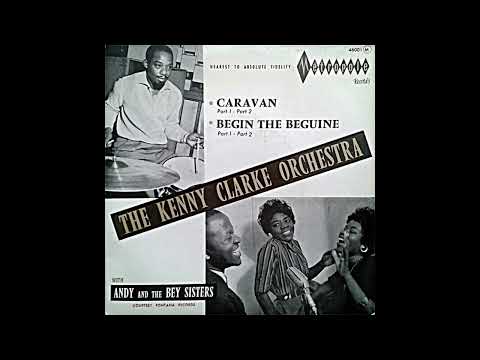 5:30
5:30duke ellington s, R.E.M., Duke Ellington, Kenny Clarke, duke ellington re, Sting
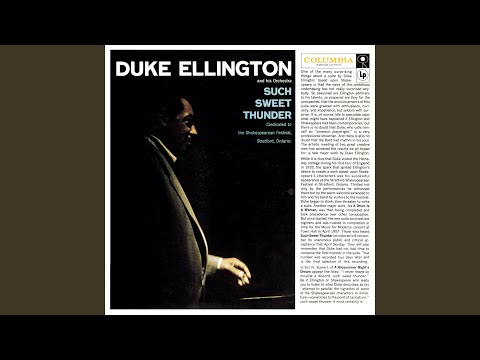 4:08
4:08duke ellington s, Duke Ellington, Clark Terry, NME, Jimmy Hamilton
 3:01
3:01duke ellington s, Duke Ellington, duke ellington re
 0:49
0:49duke ellington s, Duke Ellington, duke ellington re
 6:44
6:44duke ellington s, duke ellington recor, The Band, Duke Ellington, duke ellington re
 1:46
1:46duke ellington s, Duke Ellington, duke ellington re
 3:24
3:24duke ellington s, Duke Ellington, duke ellington re, Talk Talk, Max Roach
 7:25
7:25duke ellington s, Duke Ellington, duke ellington re
 42:03
42:03Duke Ellington, Big band, P.O.D., Y&T
 13:41
13:41duke ellington s, The Band, Duke Ellington, duke ellington re
 7:12
7:12duke ellington s, R.E.M., Duke Ellington, duke ellington re
![Thumbnail for 📻 Interview to Duke Ellington and Billy Strayhorn [1946] by duke ellington s, Midnight, Duke Ellington, duke ellington re](https://img.youtube.com/vi/xst1q7NPQk4/hqdefault.jpg) 10:14
10:14duke ellington s, Midnight, Duke Ellington, duke ellington re
 1:11
1:11duke ellington s, Duke Ellington, duke ellington re, Talk Talk
 13:36
13:36duke ellington s, Duke Ellington, duke ellington re
 3:45
3:45duke ellington s, Duke Ellington, Ween, duke ellington re
 4:33
4:33duke ellington s, Duke Ellington, duke ellington re, Y&T
 20:43
20:43duke ellington s, The Band, Duke Ellington, duke ellington re
 3:00
3:00duke ellington s, The Band, Duke Ellington, duke ellington re
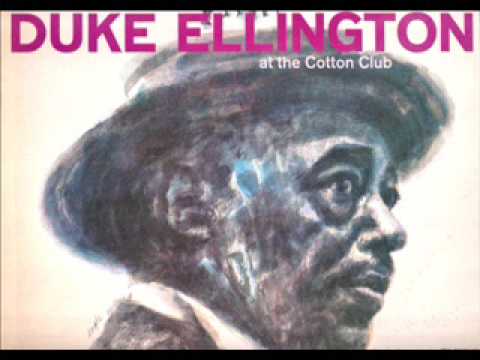 9:11
9:11Eddy, duke ellington s, The Band, Duke Ellington, duke ellington re
 1:32
1:32Music publisher, Duke Ellington, Sting
 2:06
2:06Duke Ellington, Talk Talk
 1:12
1:12Duke Ellington
 6:53
6:53Duke Ellington, Live (band), Cake (band), Nico
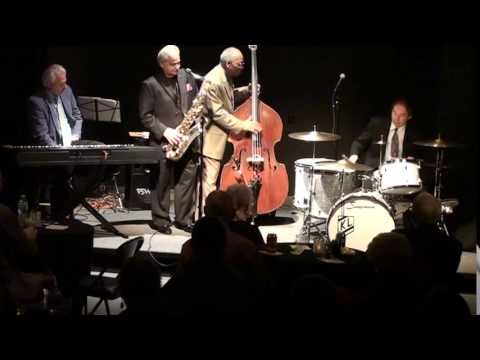 4:56
4:56R.E.M., Duke Ellington, Nloo, Jazz bass, Miles Davis
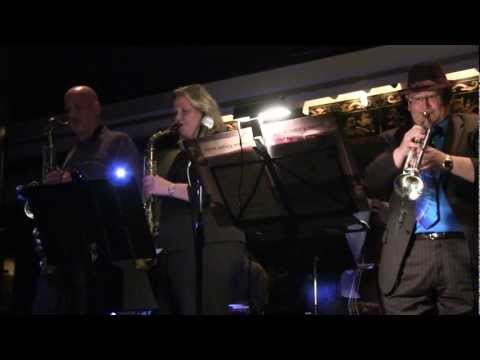 13:46
13:46John Coltrane, The Band, John Davis, Miles Davis
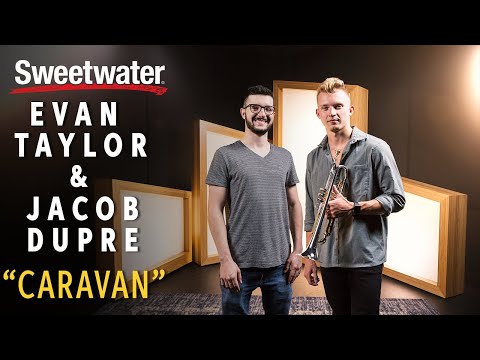 6:26
6:26Duke Ellington, Jazz standard
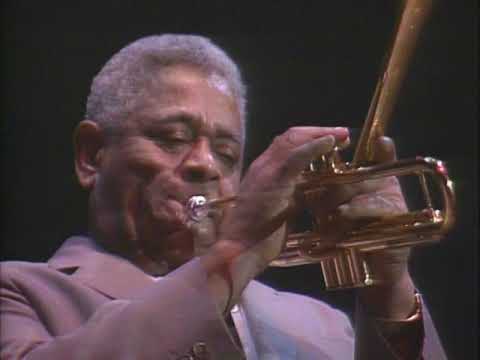 1:28:44
Midnight, David Amram, Herbie Hancock, Ron Carter, Thelonious Monk, Percy Heath, Y&T
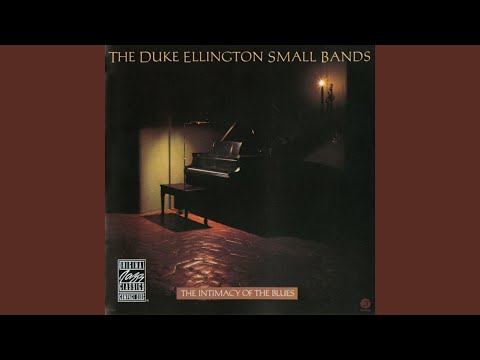 5:53
5:53Lyricist, Duke Ellington, Y&T
 5:15
5:15Duke Ellington
 2:49
2:49duke ellington s, Duke Ellington
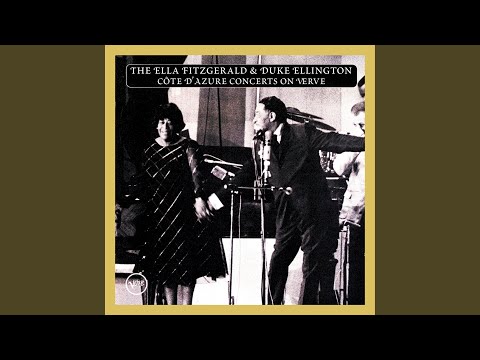 8:13
8:13Duke Ellington, Jimmy Hamilton, Ella Fitzgerald
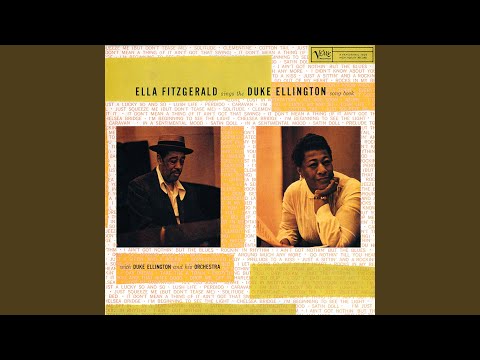 4:03
4:03duke ellington s, Lyricist, Duke Ellington, Ella Fitzgerald, The verve
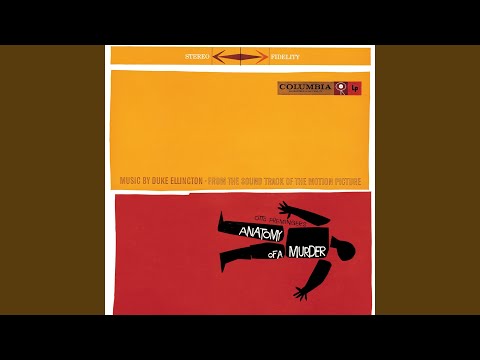 3:48
3:48Lyricist, Duke Ellington, NME, Jimmy Hamilton
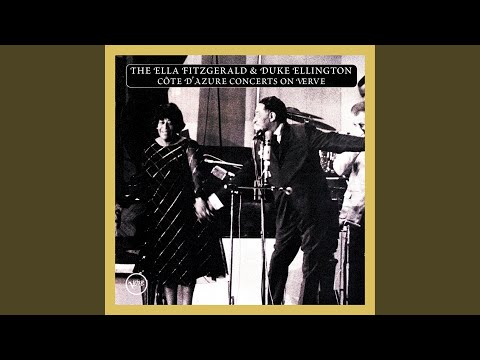 2:36
2:36Duke Ellington, Ella Fitzgerald
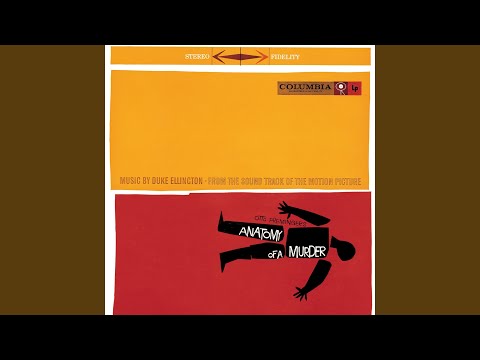 10:48
10:48Lyricist, Duke Ellington, NME
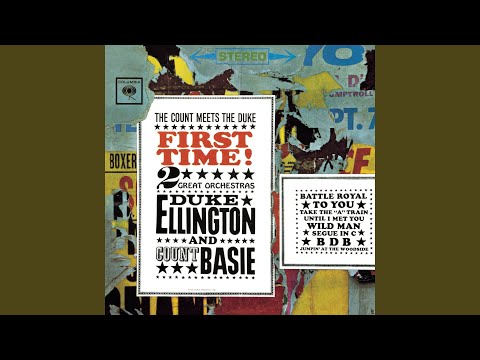 6:32
6:32Lyricist, Duke Ellington, NME, Jimmy Hamilton
 5:05
5:05duke ellington s, duke ellington recor, Duke Ellington, duke ellington re
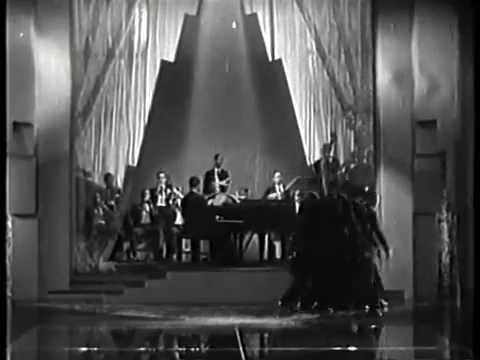 1:54
1:54duke ellington s, R.E.M., Sine, The Band, NWA, Duke Ellington, duke ellington re
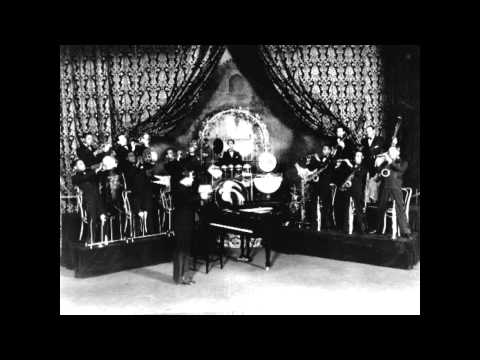 2:58
2:58duke ellington s, Duke Ellington, duke ellington re
 3:05
3:05duke ellington s, Stew, Duke Ellington, Jam session, duke ellington re
![Thumbnail for Record-making with Duke Ellington "Oh Babe! Maybe Some Day" 1937 [Reelin' In The Years Archives] by duke ellington s, duke ellington recor, Duke Ellington, duke ellington re, Cher](https://img.youtube.com/vi/B7fWbcUfur8/hqdefault.jpg) 5:36
5:36duke ellington s, duke ellington recor, Duke Ellington, duke ellington re, Cher
![Thumbnail for [Jazz Live] (Rare footage) Duke Ellington with Willie Smith - Sophisticated Lady 1952 by The D.O.C., duke ellington s, Duke Ellington, duke ellington re](https://img.youtube.com/vi/jrJt_wi9v0M/hqdefault.jpg) 2:06
2:06The D.O.C., duke ellington s, Duke Ellington, duke ellington re
![Thumbnail for Duke Ellington – Nutcracker Suite – 1960 TV Promo [DES STEREO] by duke ellington s, Duke Ellington, Clark Terry, NME, Jimmy Hamilton, duke ellington re](https://img.youtube.com/vi/bcHRuMujI0I/hqdefault.jpg) 5:02
5:02duke ellington s, Duke Ellington, Clark Terry, NME, Jimmy Hamilton, duke ellington re
 2:33
2:33Stevie Wonder, duke ellington s, R.E.M., Louis Armstrong, The Rolling Stones, The Jackson 5, The Temptations, Elvis Presley, Duke Ellington, The Supremes, The Beatles, NME, Rolling Stones, duke ellington re
 5:06
5:06duke ellington s, duke ellington recor, Duke Ellington, duke ellington re
 0:52
0:52duke ellington s, The Band, Duke Ellington, Mahalia Jackson, duke ellington re
 24:42
24:42Billie Holiday, Louis Armstrong, Head, Duke Ellington, Ween, Jam session, VAST, Music industry, NME, Orchestration, Miles Davis, Y&T
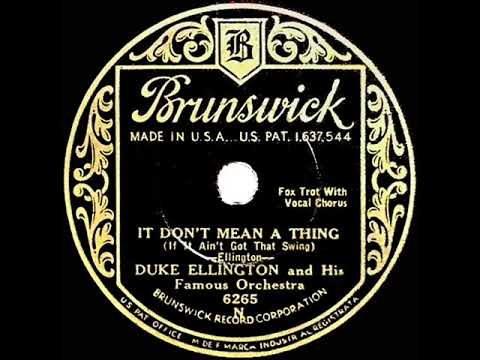 3:09
3:09duke ellington s, Duke Ellington, duke ellington re
 8:59
8:59duke ellington s, R.E.M., Sine, The Band, NWA, Duke Ellington, duke ellington re
 18:28
18:28duke ellington s, Duke Ellington, duke ellington re, Youth
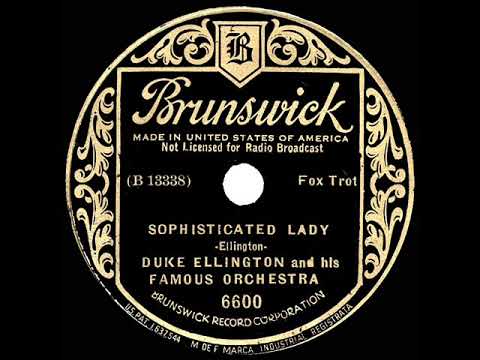 3:14
3:14duke ellington s, Duke Ellington, duke ellington re
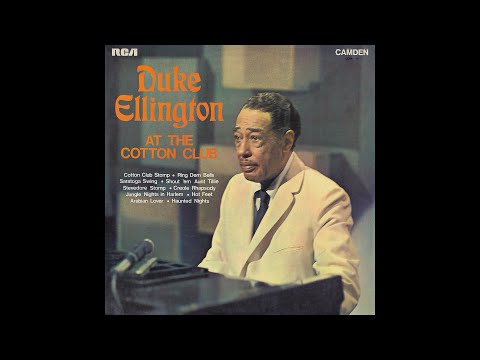 34:59
34:59Eddy, T.S.O.L., duke ellington s, Duke Ellington, duke ellington re
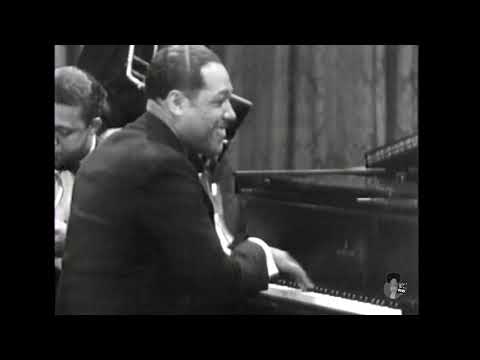 2:26
2:26duke ellington s, R.E.M., Duke Ellington, duke ellington re
 5:06
5:06duke ellington s, duke ellington recor, Duke Ellington, duke ellington re
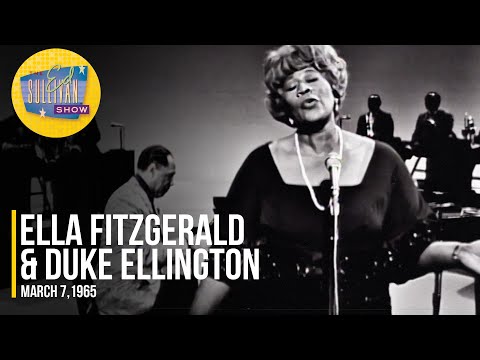 2:34
2:34Stevie Wonder, duke ellington s, R.E.M., The Rolling Stones, The Jackson 5, The Temptations, Elvis Presley, Duke Ellington, The Supremes, The Beatles, NME, Ella Fitzgerald, Rolling Stones, duke ellington re
 3:14
3:14duke ellington s, Duke Ellington, duke ellington re
 0:28
0:28Herbie Hancock, Head, Ween, The Beatles, Miles Davis
 0:16
0:16Louis Armstrong
 7:57
7:57Eric Clapton, The Sound, Otis Redding, John Coltrane, Ray Charles, Stew, Lynyrd Skynyrd, The Allman Brothers Band, Duane Allman, Cream, Rod Stewart, Thelonious Monk
 2:57
2:57Eddy, Floyd Cramer, The Sound, Charly McClain, R.E.M., Louis Armstrong, Sine, Charlie Rich, Faron Young, NWA, Etta James, Ween, Conway Twitty, Del Reeves, Stoney Cooper, Ride, Wilma Lee, Charlie McCoy, Record producer, Dottie West
 8:46
8:46Duke Ellington, Sting
John Coltrane
John Coltrane
 2:53
2:53Louis Armstrong
 10:19
10:19Midnight, Duke Ellington, Y&T
 0:38
0:38John Coltrane
 0:24
0:24Louis Armstrong
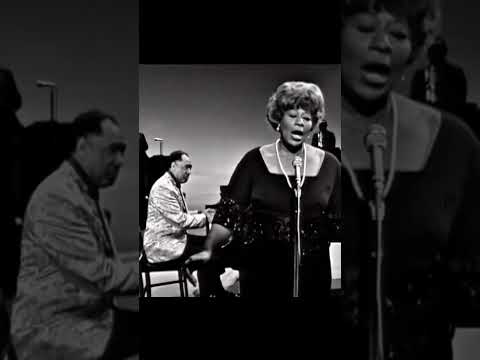 0:30
0:30Queen, Duke Ellington, Ella Fitzgerald
 5:14
5:14Louis Armstrong, Duke Ellington
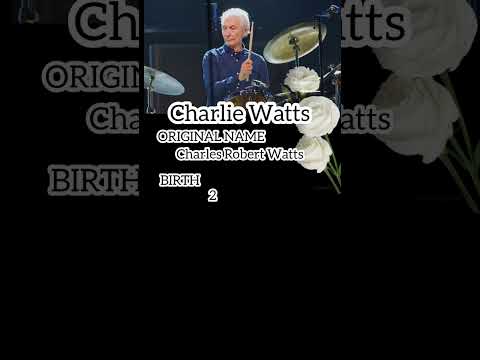 0:20
0:20Ian Stewart, Korn, R.E.M., The Rolling Stones, Keith Richards, Stew, Duke Ellington, Charlie Watts, Jazz band, Mick Jagger, Rolling Stones
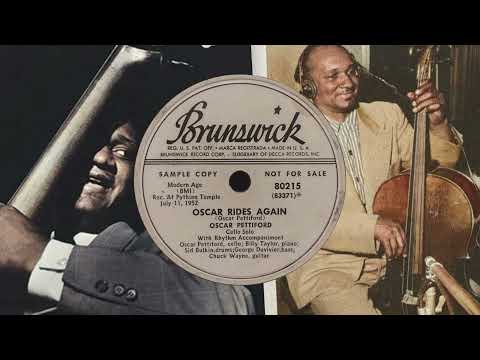 2:57
2:57Oscar Pettiford, Woody Herman, The Band, Duke Ellington, Ride, Y&T
 1:05
1:05Billie Holiday, Y&T
 1:57
1:57Duke Ellington
 4:52
4:52Donny Hathaway, Mary Wells, James Brown, Eddy, Rick James, Junior Walker, Marvin Gaye, Otis Redding, John Coltrane, Minnie Riperton, Etta James, Sam Cooke, Donna Summer, Luther Vandross, Teddy Pendergrass, Michael Jackson, Ella Fitzgerald, Johnnie Taylor, Miles Davis
 1:27
1:27Nina Simone
 3:27
3:27R.E.M., John Coltrane
 4:58
4:58Linda Ronstadt, the ramo, Duran Duran, John Coltrane, Ray Charles, the ram, Ramones, Madonna, Candlebox, The Doors, the ramones, P.O.D., Van Halen, Y&T, the ramone
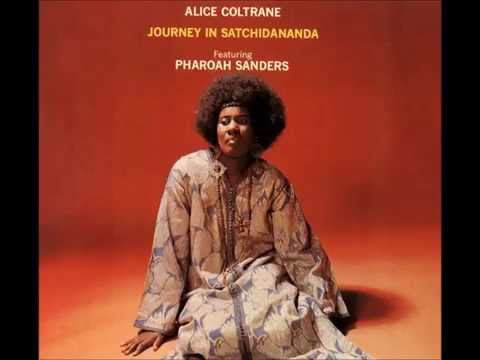 9:40
9:40John Coltrane, Alice Coltrane
 2:57
2:57John Coltrane, Jam session, James Clark
 19:49
19:49Elvis Costello, NWA, The Clash, Miles Davis
 7:22
7:22John Coltrane
 35:22
35:22Rhythm section, R.E.M., John Coltrane, Kenny Wheeler, Miles Davis, Y&T
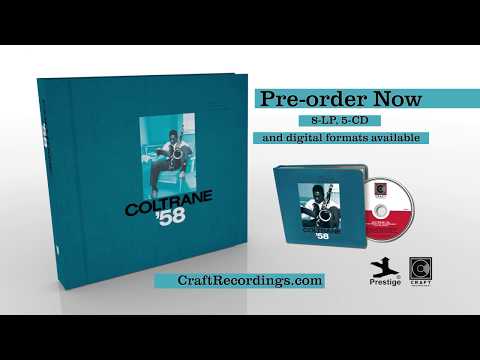 0:49
0:49R.E.M., John Coltrane
 21:58
21:58John Coltrane, The Beatles, Simon & Garfunkel
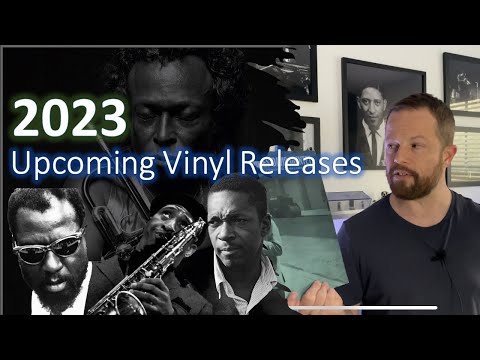 24:35
24:35John Coltrane, Music industry, Thelonious Monk, Eric Dolphy, Miles Davis
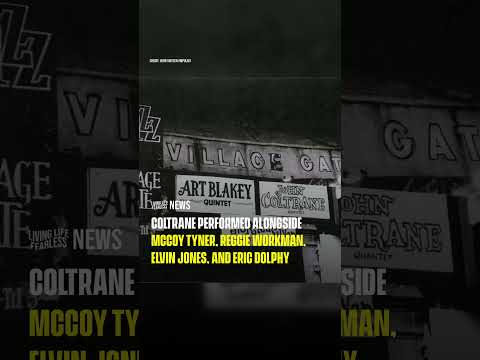 0:31
0:31John Coltrane
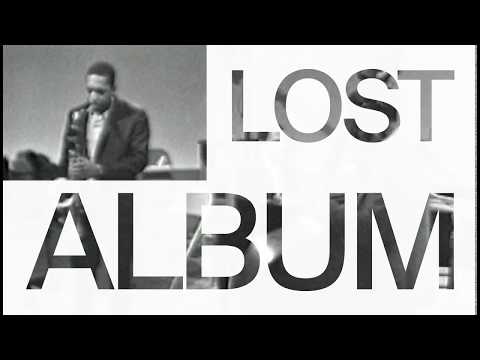 0:26
0:26John Coltrane
 3:01
3:01John Coltrane
 1:01
1:01John Coltrane
 1:16
1:16R.E.M., John Coltrane, Jazz piano
 0:37
0:37John Coltrane
![Thumbnail for Jazz entre amigos. Duke Ellington (Parte 2) [5 de 5] by Duke Ellington, Jam session](https://img.youtube.com/vi/7IVnRmC-W5A/hqdefault.jpg) 11:37
11:37Duke Ellington, Jam session
 4:22
4:22Linda Ronstadt, the ramo, John Coltrane, Ray Charles, the ram, Ramones, Madonna, The Doors, the ramones, Van Halen, Y&T, the ramone
 14:47
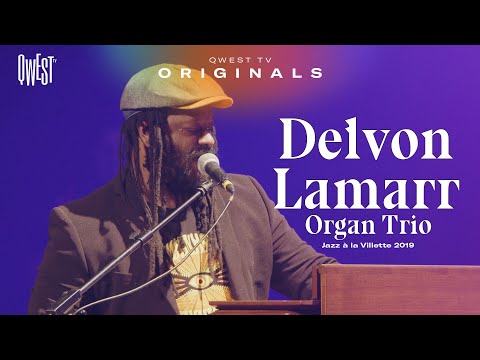
14:47James Brown, Delvon Lamarr, R.E.M., Organ trio, Ray Charles, Delvon Lamarr Organ Trio, Jimmy James, Grant Schroff, Steve Cropper, Michael Jackson, Muddy Waters, The Meters, Miles Davis, Method Man, Y&T
 9:05
9:05The Sound, Sly & the Family Stone, The pink floyd, Joni Mitchell, Pink Floyd, Joe Cocker, The Who, The Doors, Music festival, Jimi Hendrix, Miles Davis
 3:17
3:17Newport Jazz Festival, Miles Davis
 5:51
5:51Louis Armstrong
 5:03
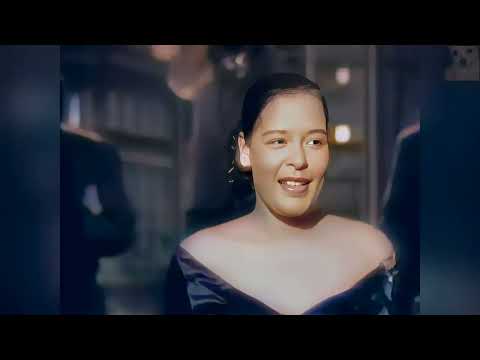
5:03Billie Holiday
 1:16
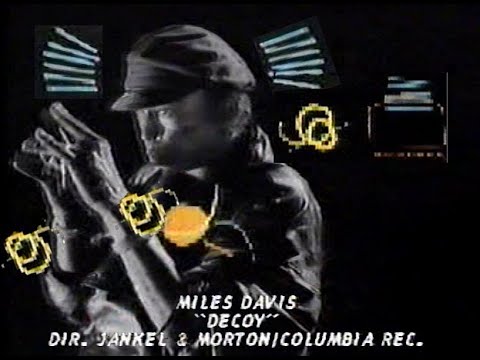
1:16John Coltrane, Miles Davis
 39:23
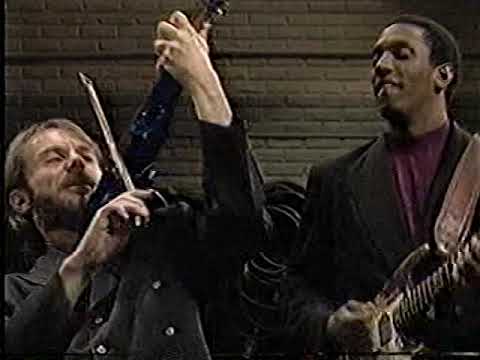
39:23Rob Wasserman, Willie Dixon, Paul Simon, Judy Mowatt, Rufus Thomas, Little Milton, NWA, Red Hot Chili Peppers, Mavis Staples, Chuck Jackson, Mark Knopfler, Ruth Brown, Patti Austin, Ray Manzarek, Stevie Ray Vaughan, Lou Reed, Steve Swallow, Pat Metheny, John Cale, Robert Cray, Miles Davis, Sting
 48:17
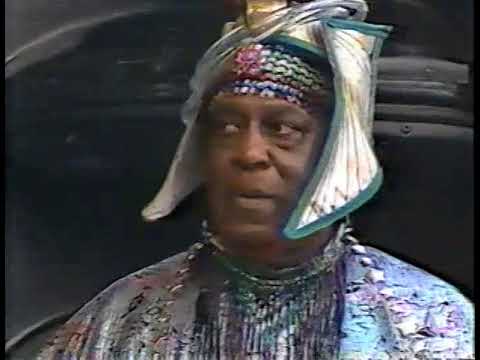
48:17Miles Davis
 4:05
4:05NWA, Thelonious Monk, John Patitucci
 2:31
2:31The Sound, Louis Armstrong, Meade Lux Lewis, Louis Jordan, NME, Travis
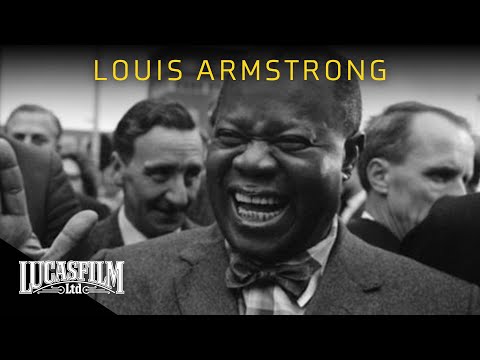 31:55
31:55Louis Armstrong
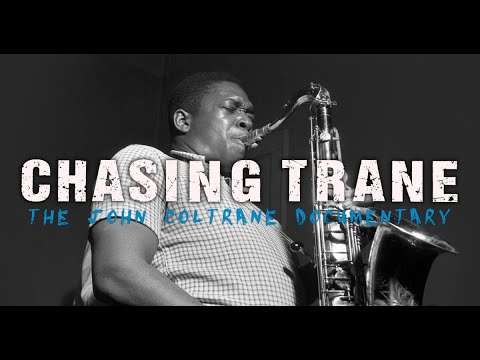 1:39:05
John Coltrane
 15:01Advisory
R.E.M., Miles Davis
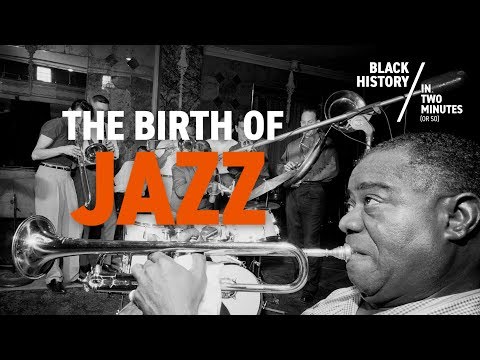 2:56
2:56Louis Armstrong
 0:31
0:31Miles Davis
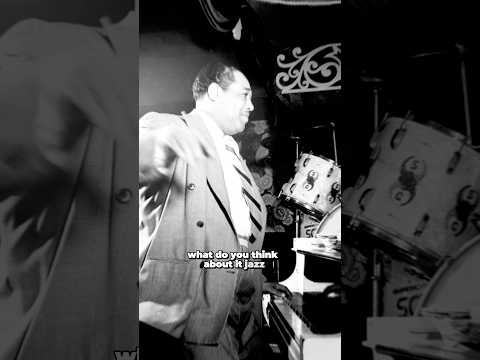 1:03
1:03Duke Ellington, Music industry
 3:30
3:30Benny Goodman, Louis Armstrong
![Thumbnail for NINA SIMONE - Sinnerman (1965) [Video Clip] by Nina Simone](https://img.youtube.com/vi/r57J0jPyZRs/hqdefault.jpg) 5:28
5:28Nina Simone
 0:32
0:32Miles Davis
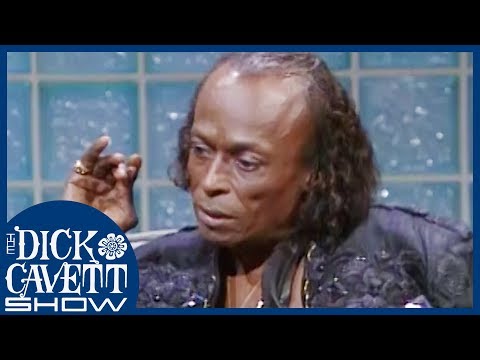 12:52Advisory
Miles Davis
 12:17
12:17Miles Davis
 30:46
30:46Miles Davis
 13:59
13:59Miles Davis
 9:38
9:38Louis Armstrong
 5:33
5:33Louis Armstrong
 2:15
2:15Louis Armstrong
 4:48
4:48Louis Armstrong
 0:43
0:43Louis Armstrong
 1:11
1:11NME, Nina Simone
 0:51
0:51John Coltrane
 0:47
0:47Miles Davis
 1:25:56
John Coltrane
 0:49
0:49John Coltrane
 0:10
0:10John Coltrane
 0:58
0:58John Coltrane
 10:45
10:45John Coltrane
 2:56
2:56John Coltrane
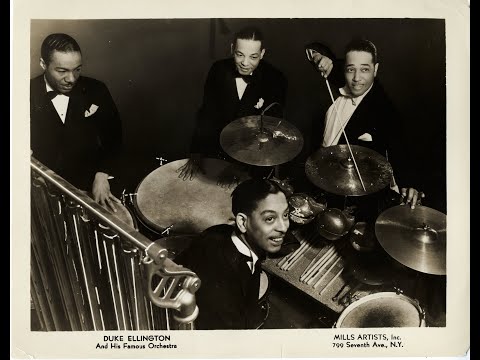
Duke Ellington
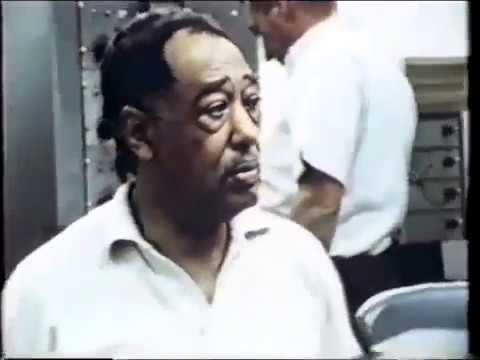
Duke Ellington
Duke Ellington
Duke Ellington
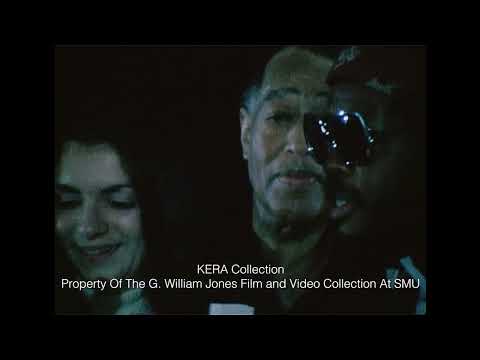
Duke Ellington

Duke Ellington

Duke Ellington
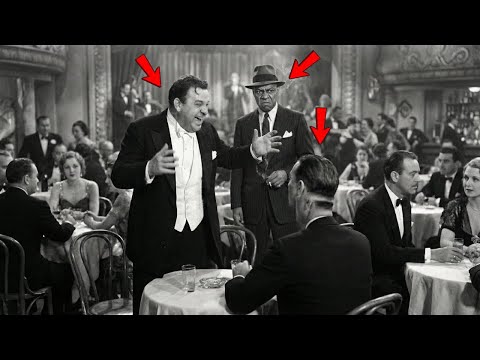
Duke Ellington
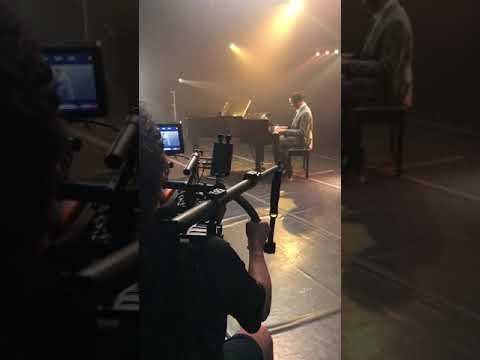
Duke Ellington

Duke Ellington

Billie Holiday
![Thumbnail for Billie Holiday - "Strange Fruit" Live 1959 [Reelin' In The Years Archives] by Billie Holiday](https://img.youtube.com/vi/-DGY9HvChXk/hqdefault.jpg)
Billie Holiday
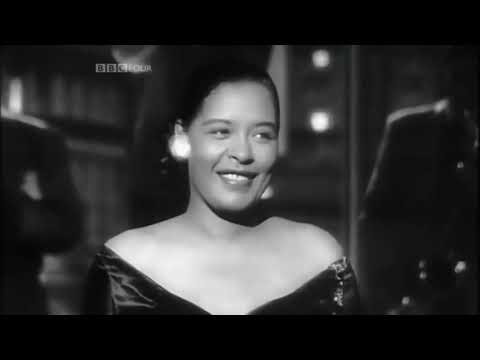
Billie Holiday
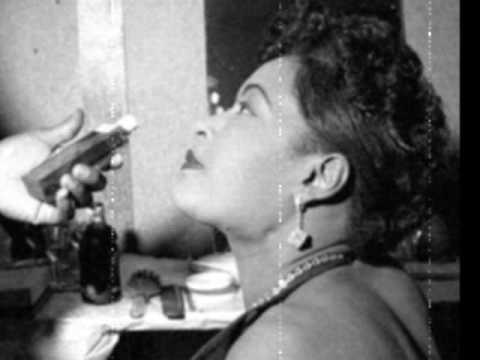
Billie Holiday
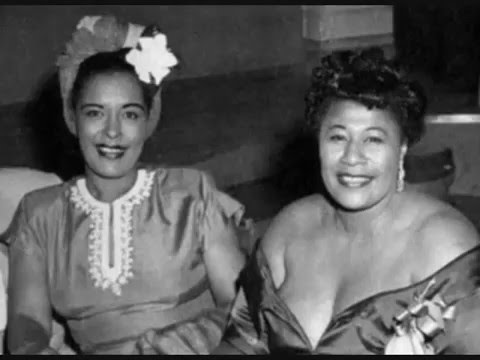
Billie Holiday

Billie Holiday
Billie Holiday
Billie Holiday
Billie Holiday

Billie Holiday

Thelonious Monk
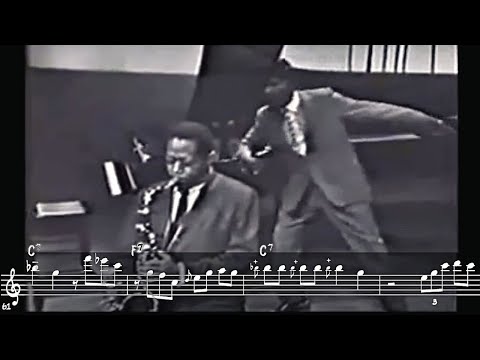
Thelonious Monk
|Jazz, Bebop, Hard Bop by Thelonious Monk](https://img.youtube.com/vi/iOyf4R3lLKU/hqdefault.jpg)
Thelonious Monk
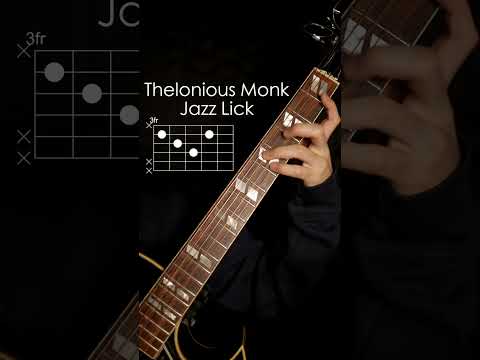
Thelonious Monk

Thelonious Monk
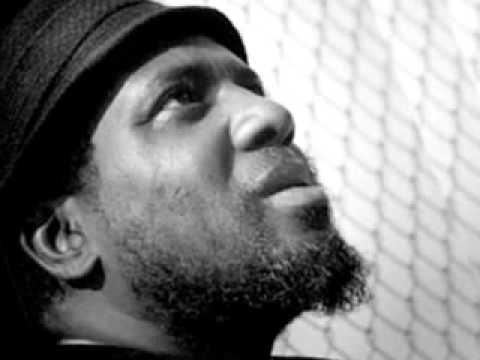
Thelonious Monk
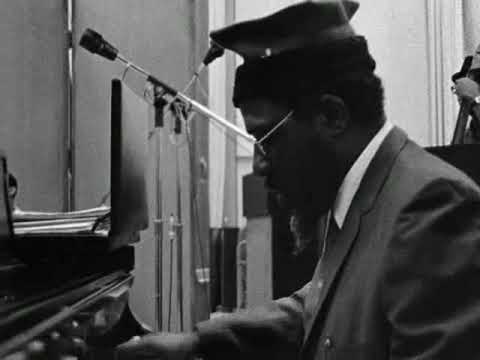
Thelonious Monk
Thelonious Monk
Thelonious Monk