Eric Dolphy — Rare Footage & Clips
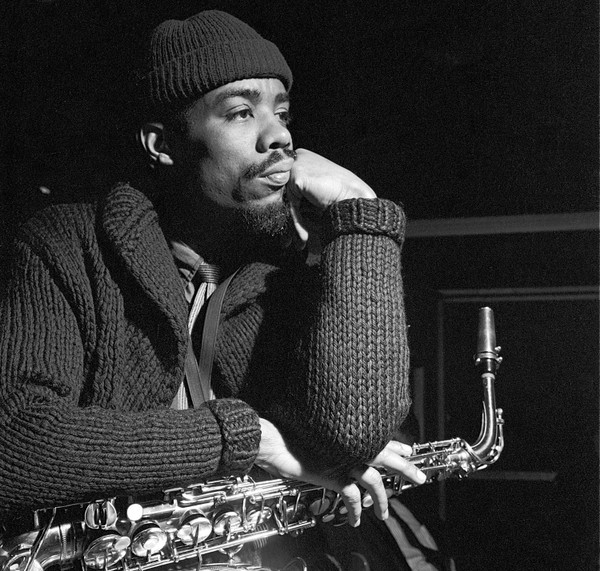
Eric Dolphy's legacy as a trailblazing jazz musician has left an indelible mark on the genre. His innovative approach to the alto saxophone, flute, and bass clarinet has inspired generations of musicians to push the boundaries of sound. Through his extensive discography, including the highly regarded "Outward Bound" (1960) and "The Quest" (1962), Dolphy's significance in music history is undeniable.
A clip from our archive, recorded at the Village Vanguard in 1961, showcases Dolphy's remarkable chemistry with John Coltrane. The two jazz giants trade solos on a rendition of Thelonious Monk's "Evidence," their improvisations weaving together in a beautiful tapestry of sound. This performance is a testament to Dolphy's ability to blend his unique voice with that of his contemporaries, creating something entirely new and innovative.
Dolphy's work with Charles Mingus and Booker Little at the NYC Five Spot jazz club in July 1961 was another pivotal moment in his career. These jointly-led sessions not only showcased his versatility but also highlighted his ability to adapt to different musical contexts. A clip from this series, featuring Dolphy on bass clarinet, is a must-listen for anyone interested in exploring the instrument's sonic possibilities.
One of Dolphy's most celebrated albums, "Out There" (1961), was recorded during his time in New York City. This album, along with its contemporaries "Looking Ahead" and "Caribé," demonstrate Dolphy's growing interest in exploring new sounds and textures. His use of extended techniques on the alto saxophone and flute added a layer of complexity to his playing, pushing the boundaries of what was considered acceptable in jazz at the time.
Dolphy's impact on the bass clarinet as a solo instrument cannot be overstated. His pioneering work on this instrument has inspired countless musicians to experiment with its sonic possibilities. A clip from our archive, featuring Dolphy on bass clarinet, is a prime example of his innovative approach to this often-overlooked instrument.
Despite facing difficulties in gaining work in the US, Dolphy continued to perform and record music until his untimely death in 1964. His final performances, captured on film by the French television network ORTF, showcase a musician at the height of his powers. A clip from one of these performances, featuring Dolphy on alto saxophone, is a poignant reminder of his talent and dedication to his craft.
Dolphy's legacy extends beyond his own music; he has influenced a wide range of musicians across various genres. From jazz greats like Ornette Coleman and Anthony Braxton to rock artists like Frank Zappa and Captain Beefheart, Dolphy's innovative spirit has left an indelible mark on the musical landscape.
In the years following his death, Dolphy's music experienced a resurgence in popularity, with many of his albums being reissued and celebrated by fans and critics alike. The posthumous release of "Out to Lunch" (1962) for Blue Note Records cemented his status as a jazz legend, introducing his music to a new generation of listeners.
Through our archive, we are proud to offer a comprehensive collection of Eric Dolphy's recordings, including many rare and previously unreleased tracks. These clips provide a unique glimpse into the life and work of this remarkable musician, offering insights into his creative process and artistic vision. As we continue to celebrate Dolphy's legacy, it is clear that his influence will be felt for generations to come.
Dolphy's impact on music history can be seen in several key areas:
* Instrumental innovation: His pioneering work on the bass clarinet has expanded the sonic possibilities of this instrument.
* Improvisational style: Dolphy's unique approach to improvisation, characterized by his use of extended techniques and unconventional sounds, has influenced a wide range of musicians across various genres.
* Collaborations: His work with John Coltrane, Charles Mingus, and Booker Little showcases his ability to blend his voice with that of his contemporaries, creating something entirely new and innovative.
Through our archive, we invite you to explore the music of Eric Dolphy in depth, delving into the complexities and nuances of his playing. As you listen to these clips, it becomes clear that Dolphy's legacy extends far beyond his own music; he has left an indelible mark on the very fabric of jazz itself.
Curated from public records and music databases.