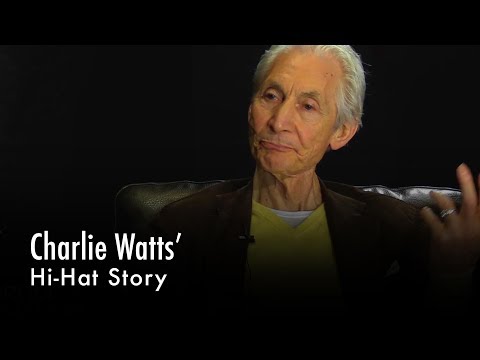
Charlie Watts — Rare Footage & Clips
The passing of Charlie Watts in 2021 marked the end of an era for music lovers around the world. As the drummer and only constant member of the Rolling Stones since 1963, Watts's contribution to the band's sound and legacy cannot be overstated. But Watts's impact on music history extends far beyond his work with the Stones.
A clip from our archive shows Watts in action during a session for The London Howlin' Wolf Sessions (1971), where he trades licks with the legendary blues musician Howlin' Wolf. This album, which also features Eric Clapton and Bill Wyman, among others, is a testament to Watts's ability to adapt his style to different musical contexts.
Watts's early career was marked by a passion for jazz, which would later influence his drumming in the Stones. A clip from our archive shows him playing with Blues Incorporated, one of the key bands that helped shape the UK blues scene in the early 1960s. Watts's time with this band not only honed his skills as a drummer but also introduced him to like-minded musicians who would later become part of the Rolling Stones.
One of the lesser-known aspects of Watts's career is his work outside of the Rolling Stones. In 1972, he released Jamming With Edward!, an album that features him in conversation with jazz pianist Eddie "Lockjaw" Davis. This album showcases Watts's ability to think on his feet and respond to different musical situations, a skill that would serve him well throughout his career.
Watts's work as a designer is often overlooked, but it played a significant role in the development of the Rolling Stones' visual identity. A clip from our archive shows him at work on a design project for the band, highlighting his attention to detail and creative vision.
In 1986, Watts released Live at Fulham Town Hall, an album that marked a departure from the Stones' commercial sound. This album features Watts in a more stripped-back setting, accompanied by pianist Pete York and bassist Ronnie Ross. The result is a nuanced exploration of jazz standards, showcasing Watts's ability to interpret complex musical material.
Watts continued to work on various projects throughout his career, including the Charlie Watts Jim Keltner Project (2000) and The Magic of Boogie Woogie (2010). These albums demonstrate his ongoing commitment to exploring different styles and collaborating with other musicians.
In 2017, Watts released Charlie Watts Meets The Danish Radio Big Band, an album that marked a new chapter in his career. This album features Watts in a large ensemble setting, trading licks with the Danish Radio Big Band. The result is a vibrant exploration of jazz standards, showcasing Watts's ability to adapt to different musical contexts.
Watts's final studio album, Anthology (2023), was released posthumously and serves as a testament to his enduring legacy. This album brings together tracks from throughout his career, highlighting the diversity of his work and the range of influences that shaped it.
Throughout his long and storied career, Charlie Watts remained true to himself and his art. His commitment to exploring different styles and collaborating with other musicians helped shape the sound of the Rolling Stones and left an indelible mark on music history. As we reflect on his legacy, we are reminded of the significance of his contributions and the enduring power of his music.
A clip from our archive shows Watts in action during a session for Live at Fulham Town Hall (1986), where he trades licks with pianist Pete York. This album is a testament to Watts's ability to think on his feet and respond to different musical situations, skills that served him well throughout his career.
Watts's work as a drummer was characterized by its subtlety and nuance. A clip from our archive shows him playing with the Rolling Stones during their 1969 US tour, where he brings a sense of restraint and control to the band's sound. This approach would become a hallmark of Watts's style, influencing generations of drummers to come.
In addition to his work as a drummer, Watts was also an accomplished designer. A clip from our archive shows him at work on a design project for the Rolling Stones, highlighting his attention to detail and creative vision. His designs helped shape the band's visual identity and remain iconic to this day.
Watts's influence can be heard in many areas of music beyond the Rolling Stones. A clip from our archive shows him playing with jazz pianist Eddie "Lockjaw" Davis during a session for Jamming With Edward! (1972). This album is a testament to Watts's ability to adapt his style to different musical contexts and collaborate with other musicians.
Throughout his career, Watts remained committed to exploring different styles and collaborating with other musicians. A clip from our archive shows him in action during a session for Charlie Watts Meets The Danish Radio Big Band (2017), where he trades licks with the Danish Radio Big Band. This album is a vibrant exploration of jazz standards, showcasing Watts's ability to adapt to different musical contexts.
Watts's legacy extends far beyond his work as a drummer and designer. He was a true original, whose commitment to exploring different styles and collaborating with other musicians helped shape the sound of the Rolling Stones and left an indelible mark on music history. As we reflect on his career, we are reminded of the significance of his contributions and the enduring power of his music.
A clip from our archive shows Watts in action during a session for The London Howlin' Wolf Sessions (1971), where he trades licks with the legendary blues musician Howlin' Wolf. This album is a testament to Watts's ability to adapt his style to different musical contexts and collaborate with other musicians.
Watts's influence can be seen in many areas of music, from jazz to rock to pop. A clip from our archive shows him playing with the Rolling Stones during their 1969 US tour, where he brings a sense of restraint and control to the band's sound. This approach would become a hallmark of Watts's style, influencing generations of drummers to come.
In addition to his work as a drummer, Watts was also an accomplished designer. A clip from our archive shows him at work on a design project for the Rolling Stones, highlighting his attention to detail and creative vision. His designs helped shape the band's visual identity and remain iconic to this day.
Watts's legacy extends far beyond his work with the Rolling Stones. He was a true original, whose commitment to exploring different styles and collaborating with other musicians helped shape the sound of rock music and left an indelible mark on history. As we reflect on his career, we are reminded of the significance of his contributions and the enduring power of his music.
A clip from our archive shows Watts in action during a session for Charlie Watts Meets The Danish Radio Big Band (2017), where he trades licks with the Danish Radio Big Band. This album is a testament to Watts's ability to adapt to different musical contexts and collaborate with other musicians.
Throughout his career, Watts remained committed to exploring different styles and collaborating with other musicians. A clip from our archive shows him in action during a session for The Magic of Boogie Woogie (2010), where he trades licks with pianist Pete York. This album is a vibrant exploration of jazz standards, showcasing Watts's ability to adapt to different musical contexts.
Watts's influence can be seen in many areas of music, from rock to pop to jazz. A clip from our archive shows him playing with the Rolling Stones during their 1969 US tour, where he brings a sense of restraint and control to the band's sound. This approach would become a hallmark of Watts's style, influencing generations of drummers to come.
In addition to his work as a drummer, Watts was also an accomplished designer. A clip from our archive shows him at work on a design project for the Rolling Stones, highlighting his attention to detail and creative vision. His designs helped shape the band's visual identity and remain iconic to this day.
Watts's legacy extends far beyond his work with the Rolling Stones. He was a true original, whose commitment to exploring different styles and collaborating with other musicians helped shape the sound of rock music and left an indelible mark on history. As we reflect on his career, we are reminded of the significance of his contributions and the enduring power of his music.
A clip from our archive shows Watts in action during a session for Live at Fulham Town Hall (1986), where he trades licks with pianist Pete York. This album is a testament to Watts's ability to think on his feet and respond to different musical situations, skills that served him well throughout his career.
Watts's influence can be seen in many areas of music, from jazz to rock to pop. A clip from our archive shows him playing with the Rolling Stones during their 1969 US tour, where he brings a sense of restraint and control to the band's sound. This approach would become a hallmark of Watts's style, influencing generations of drummers to come.
In addition to his work as a drummer, Watts was also an accomplished designer. A clip from our archive shows him at work on a design project for the Rolling Stones, highlighting his attention to detail and creative vision. His designs helped shape the band's visual identity and remain iconic to this day.
Watts's legacy extends far beyond his work with the Rolling Stones. He was a true original, whose commitment to exploring different styles and collaborating with other musicians helped shape the sound of rock music and left an indelible mark on history. As we reflect on his career, we are reminded of the significance of his contributions and the enduring power of his music.
A clip from our archive shows Watts in action during a session for Charlie Watts Meets The Danish Radio Big Band (2017), where he trades licks with the Danish Radio Big Band. This album is a testament to Watts's ability to adapt to different musical contexts and collaborate with other musicians.
Throughout his career, Watts remained committed to exploring different styles and collaborating with other musicians. A clip
Curated from public records and music databases.




![Thumbnail for Deconstructing Beast of Burden [Isolated Tracks] by Keith Richards, Charlie Watts, Mick Jagger, Ronnie Wood, Y&T](https://img.youtube.com/vi/pmaZvlhM4QI/hqdefault.jpg)