Candlebox — Rare Footage & Clips
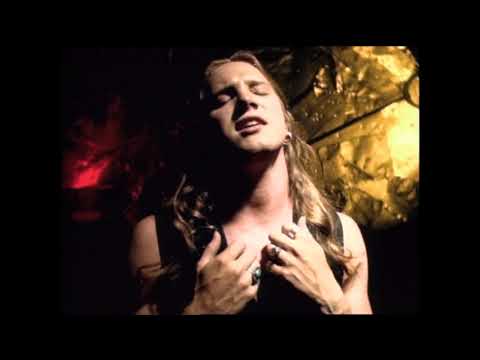
In a dimly lit Seattle club, circa 1993, Candlebox's debut single "Change" thunders through the speakers, its raw energy coursing through the veins of the audience like a shot of adrenaline. The song's driving rhythm, Kevin Martin's snarling vocals, and Peter Klett's searing guitar riffs converge in a sonic maelstrom that would leave an indelible mark on the music landscape.
Formed in 1990 by guitarist Peter Klett, vocalist Kevin Martin, bassist Bumblefoot (later replaced by Adam Kessler), and drummer Scott Mercado, Candlebox was one of the pioneering bands of the post-grunge movement. Their self-titled debut album, released in July 1993, would go on to become a quadruple-platinum behemoth, with four singles ("Change", "You", "Far Behind", and "Cover Me") cementing their place as one of the most promising new acts of the era.
The album's success can be attributed, in part, to its unbridled energy and Martin's distinctive vocals. His raw, emotive delivery on songs like "Far Behind" – a haunting ballad that would reach the top 20 on the Billboard Hot 100 – showcased his ability to convey vulnerability without sacrificing sonic ferocity. The album's production, handled by David Bianco (Tom Petty, Bob Dylan), added a layer of polish to the band's rough-around-the-edges sound, making them more palatable for mainstream audiences.
Candlebox's follow-up effort, Lucy (1995), was certified gold and featured a more refined, experimental approach. The album's blend of crunching riffs, atmospheric keyboards, and Martin's increasingly nuanced vocals demonstrated the band's willingness to push boundaries and explore new sonic territories. Tracks like "You" and "It Doesn't Matter" showcased their ability to craft catchy hooks without sacrificing depth or complexity.
The mid-1990s saw Candlebox at the height of their commercial success, with Happy Pills (1998) debuting at number 14 on the Billboard 200 chart. However, internal conflicts and struggles with their record label would eventually lead to a hiatus in 2000. The band's breakup was met with widespread disappointment from fans, who had grown accustomed to their consistent output of high-quality albums.
Despite the intervening years, Candlebox has continued to produce music that resonates with audiences. Their reunion in 2006 marked a new era for the band, with Into the Sun (2008) and Love Stories & Other Musings (2012) showcasing a renewed sense of purpose and creative vitality. The latter album's eclectic mix of styles – from the anthemic "Stand" to the introspective "Mental Demons" – demonstrated their willingness to experiment and explore new sonic landscapes.
In recent years, Candlebox has continued to evolve, releasing Disappearing in Airports (2016) and Wolves (2021). The latter album's blend of heavy riffs and atmospheric textures marked a return to form for the band, with tracks like "Vexed" and "Into the Sun" showcasing their ability to craft compelling hooks without sacrificing depth or complexity.
Lauryn Schaffner at 106.3 The Buzz has aptly described Candlebox as one of the "Big Four" of post-grunge – a label that acknowledges their significant contribution to the genre's development. Their influence can be heard in bands like Foo Fighters, Nickelback, and Creed, who have all cited them as an inspiration.
Candlebox's legacy extends beyond their commercial success or chart-topping singles. They have played a crucial role in shaping the sound of post-grunge, influencing a generation of musicians and fans alike. Their music continues to resonate with audiences today, its raw energy and emotional depth providing a testament to their enduring relevance.
As I sit here listening to "Far Behind", the song's haunting melody and Martin's poignant vocals transport me back to that dimly lit Seattle club in 1993. The music may be two decades old, but its impact remains palpable – a reminder of Candlebox's significance in music history and their continued relevance in today's sonic landscape.
Curated from public records and music databases.