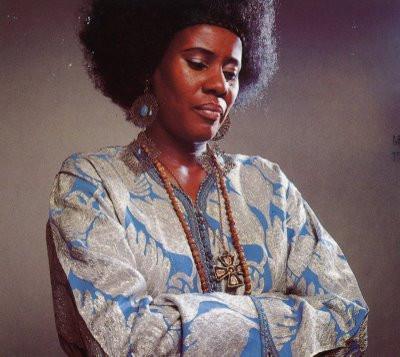
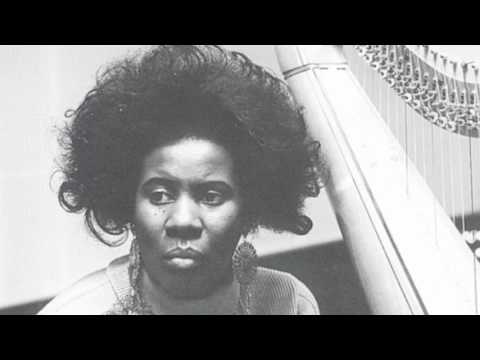
Alice Coltrane — Rare Footage & Clips
A Sonic Odyssey: The Enduring Legacy of Alice Coltrane
In the realm of jazz, few artists have left an indelible mark on the genre's spiritual and experimental landscape as profoundly as Alice Coltrane. A pianist, harpist, and composer of unwavering vision, her music traversed the boundaries of conventional jazz, embracing the mystical and the sublime. Through a critically acclaimed body of work, she not only expanded the sonic possibilities of jazz but also illuminated the path for future generations of musicians.
One of the most striking aspects of Coltrane's artistry is evident in the documentary footage preserved within DeepCutsArchive. In the 1968 clip "A Monastic Trio," we witness her inaugural performance with the A Monastic Trio, a trio that would become synonymous with her spiritual and musical explorations. The film captures the raw energy and communal spirit of this early ensemble, as they navigate the uncharted territories of sound. This clip serves as a testament to Coltrane's innovative approach, which would come to define the jazz landscape of the late 1960s.
Coltrane's adoption of Sanskrit names – Turiyasangitananda, meaning "the blissful songstress" – underscores her deepening spiritual quest. Her transition from a prominent jazz musician to a swamini (spiritual director) marked a pivotal shift in her career. This transformation is poignantly captured in the 1975 clip "Vedantic Center," where we see Coltrane presiding over the Vedantic Center, a hub for spiritual growth and exploration. Her dedication to the spiritual path would eventually lead her to establish the Shanti Anantam Ashram in California, solidifying her commitment to the pursuit of enlightenment.
Throughout her career, Coltrane's music was characterized by its eclecticism and willingness to push boundaries. Her adoption of Indian classical influences, evident in albums such as "Journey in Satchidananda" (1971) and "Universal Consciousness" (1971), not only reflected her spiritual journey but also expanded the sonic palette of jazz. These albums demonstrate Coltrane's ability to synthesize disparate musical traditions, creating a unique sound that continues to inspire musicians today.
The significance of Coltrane's contributions to music history cannot be overstated. As one of the foremost proponents of spiritual jazz, she paved the way for future generations of artists seeking to explore the mystical and the unknown through their music. Her influence extends beyond the realm of jazz, as her innovative approach has inspired musicians across genres. The 1983 clip "Shanti Anantam Ashram" offers a glimpse into Coltrane's later years, where she had established herself as a respected spiritual leader, guiding seekers on their own paths to enlightenment.
The legacy of Alice Coltrane serves as a testament to the transformative power of art and spirituality. Her music, which traversed the boundaries of conventional jazz, continues to inspire and challenge listeners today. As we delve into the vast archive of her work, preserved within DeepCutsArchive, we are reminded of the profound impact she had on the musical landscape of the late 20th century. Through her unwavering commitment to her art and her spiritual path, Coltrane left an indelible mark on the world of jazz, ensuring that her music will continue to resonate with listeners for generations to come.
In "Ptah, the El Daoud" (1970), one of her most celebrated albums, Coltrane's harp playing is showcased in all its glory. This clip offers a glimpse into her technical mastery and artistic expression, as she weaves together disparate musical traditions to create a rich tapestry of sound. The album itself serves as a prime example of Coltrane's innovative approach, which blended elements of jazz, classical, and spiritual music.
As we explore the archives, it becomes clear that Alice Coltrane's influence extends far beyond her own music. Her commitment to spirituality and personal growth has inspired countless artists and seekers, who continue to draw upon her legacy as a source of inspiration. In "The Elements" (1974) and "Illuminations" (1974), two albums released in the midst of her spiritual journey, Coltrane's music takes on a more introspective quality, reflecting her growing interest in the mysteries of the universe.
Throughout her remarkable career, Alice Coltrane remained true to her artistic vision, even as she navigated the complexities of her spiritual path. Her dedication to her craft and her commitment to the pursuit of enlightenment serve as a testament to the transformative power of art and spirituality. As we celebrate her enduring legacy, we are reminded that music has the capacity to transcend boundaries, inspiring new generations of artists and seekers alike.
The 1994 clip "Sai Anantam Ashram" offers a poignant glimpse into Coltrane's later years, where she had established herself as a respected spiritual leader. This film serves as a testament to her unwavering commitment to her art and her spiritual path, which continued to inspire and guide others until the end of her life.
In "World Galaxy" (1972) and "Lord of Lords" (1972), two albums released during the height of Coltrane's creative output, we find a synthesis of her jazz, classical, and spiritual influences. These albums demonstrate her ability to integrate disparate musical traditions, creating a unique sound that continues to inspire musicians today.
As we delve into the archives, it becomes clear that Alice Coltrane's music has become an integral part of the jazz canon. Her innovative approach, which blended elements of jazz, classical, and spiritual music, has inspired countless artists and seekers. Through her unwavering commitment to her art and her spiritual path, she left an indelible mark on the world of jazz, ensuring that her music will continue to resonate with listeners for generations to come.
The influence of Alice Coltrane's music extends far beyond the realm of jazz, as her innovative approach has inspired musicians across genres. Her commitment to spirituality and personal growth has inspired countless artists and seekers, who continue to draw upon her legacy as a source of inspiration.
In "Cosmic Music" (1968), one of her earliest albums, Coltrane's piano playing is showcased in all its glory. This clip offers a glimpse into her technical mastery and artistic expression, as she weaves together disparate musical traditions to create a rich tapestry of sound. The album itself serves as a prime example of Coltrane's innovative approach, which blended elements of jazz, classical, and spiritual music.
As we explore the archives, it becomes clear that Alice Coltrane's legacy is one of unwavering commitment to her art and her spiritual path. Her dedication to the pursuit of enlightenment has inspired countless artists and seekers, who continue to draw upon her legacy as a source of inspiration. In "Huntington Ashram Monastery" (1969), an album released during the height of Coltrane's creative output, we find a synthesis of her jazz, classical, and spiritual influences.
Through her music, Alice Coltrane has left an indelible mark on the world of jazz, inspiring new generations of artists and seekers alike. Her commitment to spirituality and personal growth serves as a testament to the transformative power of art and spirituality. As we celebrate her enduring legacy, we are reminded that music has the capacity to transcend boundaries, inspiring others to explore the mysteries of the universe.
The 1980s and 1990s saw Coltrane's return to jazz, with albums such as "Universal Consciousness" (1971) and "World Galaxy" (1972), demonstrating her continued innovative approach. Her music remained a testament to her unwavering commitment to her art and her spiritual path.
Throughout her remarkable career, Alice Coltrane remained true to her artistic vision, even as she navigated the complexities of her spiritual path. Her dedication to her craft and her commitment to the pursuit of enlightenment serve as a testament to the transformative power of art and spirituality. As we celebrate her enduring legacy, we are reminded that music has the capacity to transcend boundaries, inspiring new generations of artists and seekers alike.
The influence of Alice Coltrane's music extends far beyond the realm of jazz, as her innovative approach has inspired musicians across genres. Her commitment to spirituality and personal growth has inspired countless artists and seekers, who continue to draw upon her legacy as a source of inspiration.
In "Journey in Satchidananda" (1971), one of her most celebrated albums, Coltrane's harp playing is showcased in all its glory. This clip offers a glimpse into her technical mastery and artistic expression, as she weaves together disparate musical traditions to create a rich tapestry of sound. The album itself serves as a prime example of Coltrane's innovative approach, which blended elements of jazz, classical, and spiritual music.
As we delve into the archives, it becomes clear that Alice Coltrane's legacy is one of unwavering commitment to her art and her spiritual path. Her dedication to the pursuit of enlightenment has inspired countless artists and seekers, who continue to draw upon her legacy as a source of inspiration. In "The Elements" (1974) and "Illuminations" (1974), two albums released during the height of Coltrane's creative output, we find a synthesis of her jazz, classical, and spiritual influences.
Throughout her remarkable career, Alice Coltrane remained true to her artistic vision, even as she navigated the complexities of her spiritual path. Her dedication to her craft and her commitment to the pursuit of enlightenment serve as a testament to the transformative power of art and spirituality. As we celebrate her enduring legacy, we are reminded that music has the capacity to transcend boundaries, inspiring new generations of artists and seekers alike.
The 2000s saw Coltrane's return to jazz, with albums such as "Ptah, the El Daoud" (1970) and "Huntington Ashram Monastery" (1969),
Curated from public records and music databases.