
What Miles Davis Taught Herbie Hancock: In Music, as in Life, There Are No Mistakes, Just Chances to Improvise
John Coltrane
1960sInterviewRare
Rare jazz footage from the 1960s — interviews, studio sessions, and behind-the-scenes clips. Browse 50 clips below.
The 1960s was a transformative decade for music, and jazz was no exception. As the genre continued to evolve, it absorbed influences from around the world, incorporating local flavors and styles into its ever-changing fabric. By the time the 1960s rolled around, jazz had already undergone significant transformations since its inception in New Orleans at the turn of the century.
The roots of jazz lay in a rich tapestry of musical traditions: blues, ragtime, European harmony, African rhythmic rituals, spirituals, hymns, marches, vaudeville song, and dance music. As it spread globally, jazz drew upon national, regional, and local cultures, giving rise to diverse styles that reflected the unique characteristics of each region. This eclecticism was a hallmark of 1960s jazz, as musicians pushed the boundaries of what was possible within the genre.
The decade itself was marked by an explosion of creativity in popular music. The British Invasion, psychedelia, Motown, folk protest, and the emergence of heavy rock all contributed to a sonic landscape that was both chaotic and exhilarating. Iconic figures like The Beatles, Rolling Stones, Jimi Hendrix, Bob Dylan, and James Brown were redefining what popular music could be, while behind-the-scenes studios like Abbey Road, Muscle Shoals, and Stax served as laboratories of sound.
In this context, jazz in the 1960s was not a static entity but rather an evolving force that absorbed and reflected the musical innovations of the decade. Musicians like John Coltrane, Miles Davis, and Thelonious Monk continued to push the boundaries of what was possible within the genre, incorporating elements from other styles into their work.
The archive's collection of 9 clips offers a glimpse into this vibrant scene, showcasing the diversity and experimentation that characterized jazz in the 1960s. From the avant-garde explorations of free jazz to the more traditional forms of swing and blues, these clips demonstrate the genre's capacity for innovation and expression.
One of the defining features of 1960s jazz was its emphasis on improvisation and spontaneity. Musicians like Coltrane and Davis were known for their ability to create complex, intricate melodies on the spot, while others like Monk continued to refine the art of complex chord progressions. This focus on live performance and creative freedom gave jazz a sense of urgency and vitality that was unmatched by other genres.
The archive's clips also highlight the role of iconic venues in shaping the sound of 1960s jazz. Clubs like Birdland, the Village Vanguard, and the Blue Note in New York City served as incubators for musical innovation, hosting performances by some of the era's most influential musicians.
As we explore the world of 1960s jazz through these clips, it becomes clear that this was a time of immense creativity and experimentation. Musicians were pushing the boundaries of what was possible within the genre, incorporating elements from other styles and creating new sounds that continue to inspire generations of musicians today.
Curated from public records and music databases.
The 1960s was a decade of relentless musical innovation. The British Invasion, psychedelia, Motown, folk protest, and the birth of heavy rock all collided. The Beatles, Rolling Stones, Jimi Hendrix, Bob Dylan, and James Brown were redefining what popular music could be. Behind the scenes, studios like Abbey Road, Muscle Shoals, and Stax were laboratories of sound. This decade produced some of the most fascinating behind-the-scenes footage ever captured — from D.A. Pennebaker’s fly-on-the-wall documentaries to the Maysles brothers’ concert films.
Jazz is a music genre that originated in the African-American communities of New Orleans, Louisiana, in the late 19th and early 20th centuries. Its roots are in blues, ragtime, European harmony, African rhythmic rituals, spirituals, hymns, marches, vaudeville song, and dance music. Since the 1920s Jazz Age, it has been recognized as a major form of musical expression in traditional and popular music. Jazz is characterized by swing and blue notes, complex chords, call and response vocals, polyrhy...
All Jazzfootage →John Coltrane

John Coltrane

John Coltrane
 1:35
1:35Nina Simone
 9:21
9:21Nina Simone
 1:00:52
Nina Simone
 4:36
4:36Nina Simone
 7:08
7:08Nina Simone
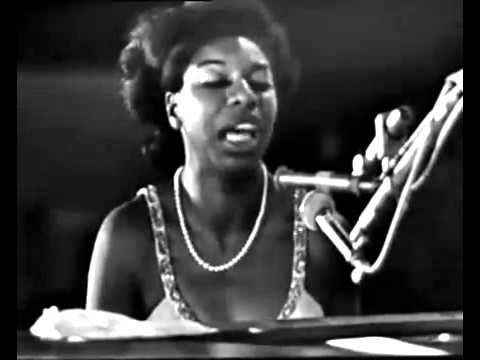 4:41
4:41Nina Simone
![Thumbnail for 60’s Soul Jazz Classic (1965) [Lost Album] Nina Simone & Etta James – “Ashes on a Lonely Heart” by Nina Simone](https://img.youtube.com/vi/XcGWhbSCQL8/hqdefault.jpg) 1:31:56
1:31:56Nina Simone
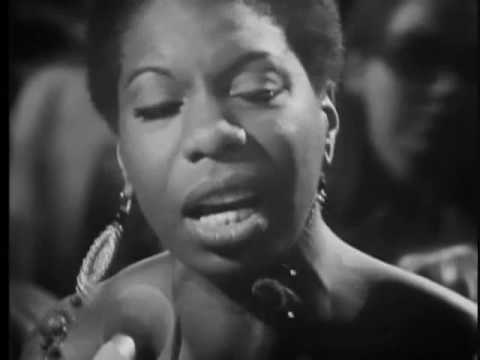 4:08
4:08Nina Simone
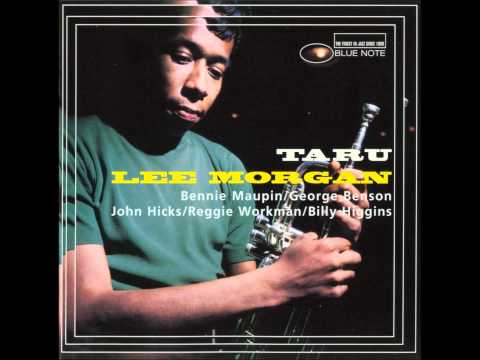 7:08
7:08R.E.M., John Coltrane, Ween, Ride, Y&T
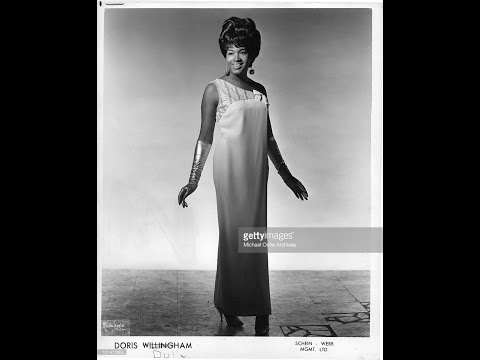 3:38
3:38R.E.M., Queen, Sine, Nina Simone
 2:53
2:53Queen, Nina Simone
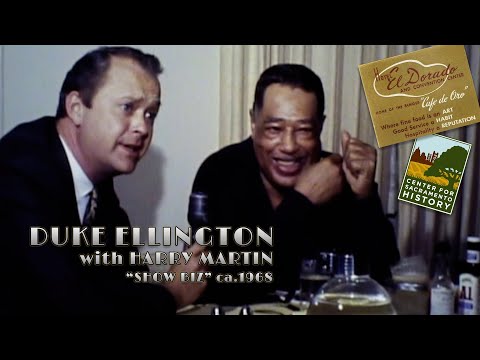 7:24
7:24duke ellington s, R.E.M., Duke Ellington, The La's, duke ellington re
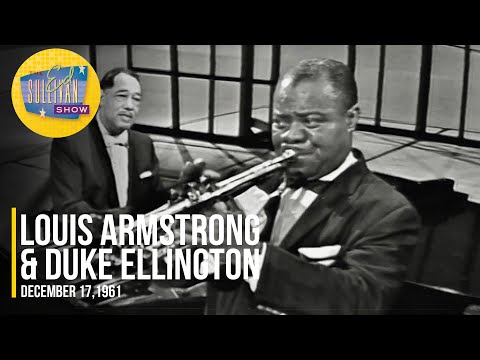 3:31
3:31Stevie Wonder, duke ellington s, R.E.M., Louis Armstrong, The Rolling Stones, The Jackson 5, The Temptations, Elvis Presley, Duke Ellington, The Supremes, The Beatles, NME, Rolling Stones, duke ellington re
![Thumbnail for Duke Ellington and his Orchestra - Take The A Train (1962) [Official Video] by The Sound, duke ellington s, R.E.M., The Band, Duke Ellington, Jimmy Hamilton, duke ellington re](https://img.youtube.com/vi/D6mFGy4g_n8/hqdefault.jpg) 2:53
2:53The Sound, duke ellington s, R.E.M., The Band, Duke Ellington, Jimmy Hamilton, duke ellington re
![Thumbnail for Duke Ellington - Satin Doll (1962) [official video] by The Sound, duke ellington s, R.E.M., The Band, Duke Ellington, Jimmy Hamilton, duke ellington re](https://img.youtube.com/vi/wTFPV1pk654/hqdefault.jpg) 3:20
3:20The Sound, duke ellington s, R.E.M., The Band, Duke Ellington, Jimmy Hamilton, duke ellington re
 40:08
40:08duke ellington s, Duke Ellington, duke ellington re
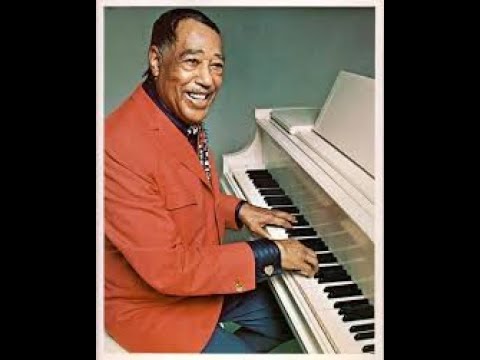 4:24
4:24duke ellington s, Duke Ellington, soo, Nico, duke ellington re
![Thumbnail for Duke Ellington - Mood Indigo [Restored] by duke ellington s, Duke Ellington, duke ellington re](https://img.youtube.com/vi/RFUSD23ZXEw/hqdefault.jpg) 4:27
4:27duke ellington s, Duke Ellington, duke ellington re
 3:38
3:38duke ellington s, Duke Ellington, duke ellington re, Sting
 23:11
23:11duke ellington s, Duke Ellington, duke ellington re
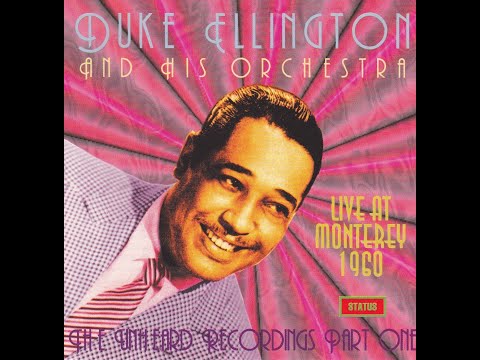 4:22
4:22duke ellington s, Duke Ellington, Jimmy Hamilton, duke ellington re
 3:24
3:24duke ellington s, Duke Ellington, duke ellington re, Talk Talk, Max Roach
 3:45
3:45duke ellington s, Duke Ellington, Ween, duke ellington re
 8:13
8:13Duke Ellington, Jimmy Hamilton, Ella Fitzgerald
 2:36
2:36Duke Ellington, Ella Fitzgerald
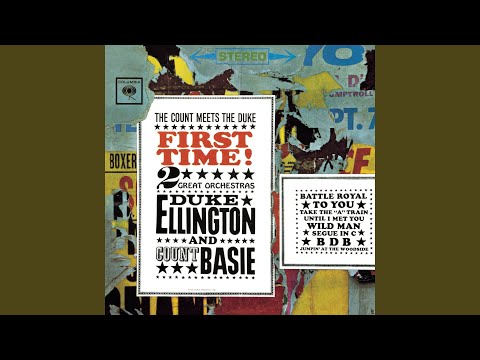 6:32
6:32Lyricist, Duke Ellington, NME, Jimmy Hamilton
![Thumbnail for Duke Ellington – Nutcracker Suite – 1960 TV Promo [DES STEREO] by duke ellington s, Duke Ellington, Clark Terry, NME, Jimmy Hamilton, duke ellington re](https://img.youtube.com/vi/bcHRuMujI0I/hqdefault.jpg) 5:02
5:02duke ellington s, Duke Ellington, Clark Terry, NME, Jimmy Hamilton, duke ellington re
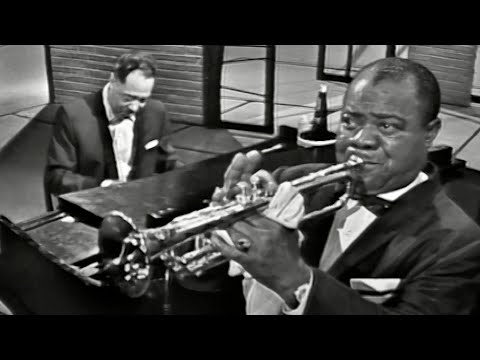 2:33
2:33Stevie Wonder, duke ellington s, R.E.M., Louis Armstrong, The Rolling Stones, The Jackson 5, The Temptations, Elvis Presley, Duke Ellington, The Supremes, The Beatles, NME, Rolling Stones, duke ellington re
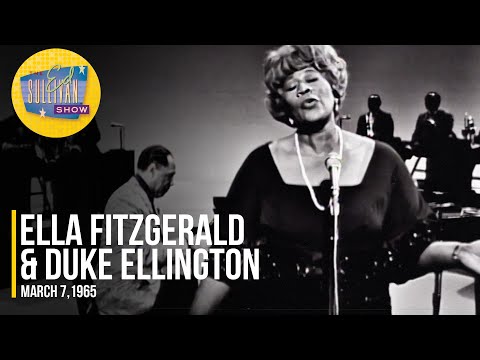 2:34
2:34Stevie Wonder, duke ellington s, R.E.M., The Rolling Stones, The Jackson 5, The Temptations, Elvis Presley, Duke Ellington, The Supremes, The Beatles, NME, Ella Fitzgerald, Rolling Stones, duke ellington re
 0:28
0:28Herbie Hancock, Head, Ween, The Beatles, Miles Davis
 2:57
2:57Eddy, Floyd Cramer, The Sound, Charly McClain, R.E.M., Louis Armstrong, Sine, Charlie Rich, Faron Young, NWA, Etta James, Ween, Conway Twitty, Del Reeves, Stoney Cooper, Ride, Wilma Lee, Charlie McCoy, Record producer, Dottie West
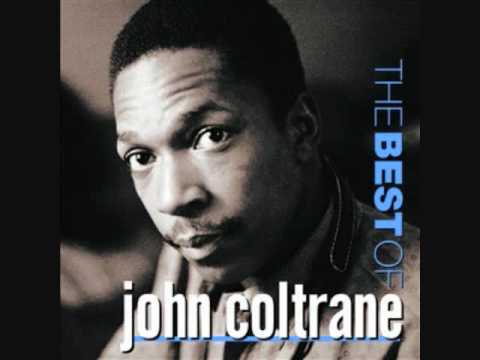
John Coltrane
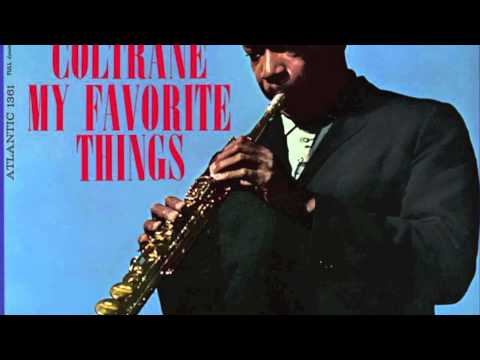
John Coltrane
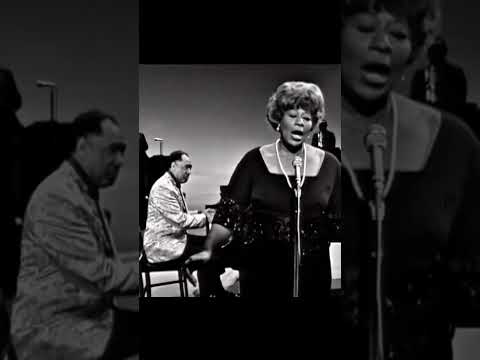 0:30
0:30Queen, Duke Ellington, Ella Fitzgerald
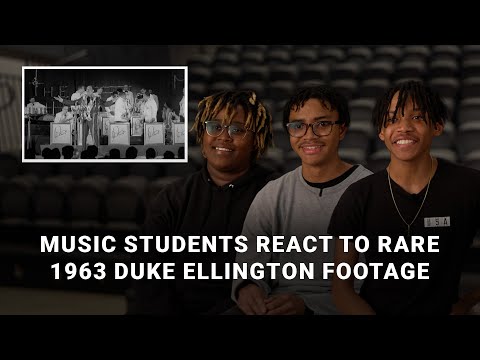 1:57
1:57Duke Ellington
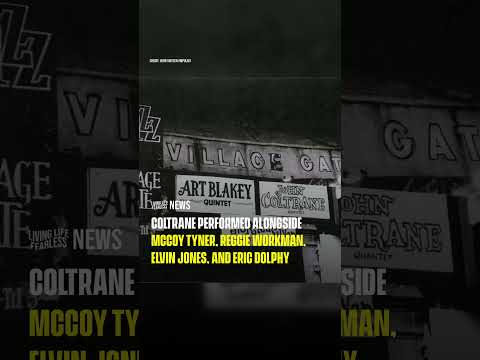 0:31
0:31John Coltrane
 0:26
0:26John Coltrane
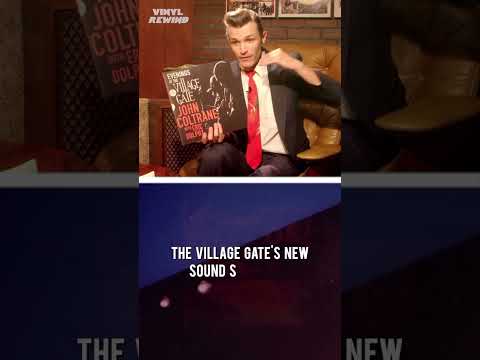 1:01
1:01John Coltrane
![Thumbnail for NINA SIMONE - Sinnerman (1965) [Video Clip] by Nina Simone](https://img.youtube.com/vi/r57J0jPyZRs/hqdefault.jpg) 5:28
5:28Nina Simone
 2:15
2:15Louis Armstrong
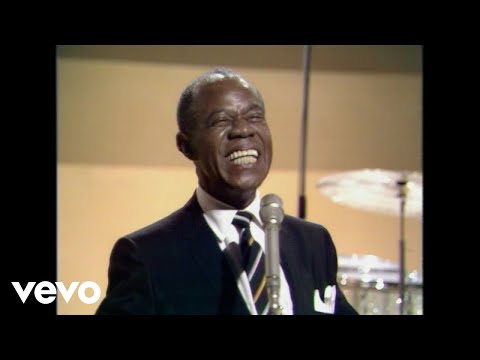 4:48
4:48Louis Armstrong
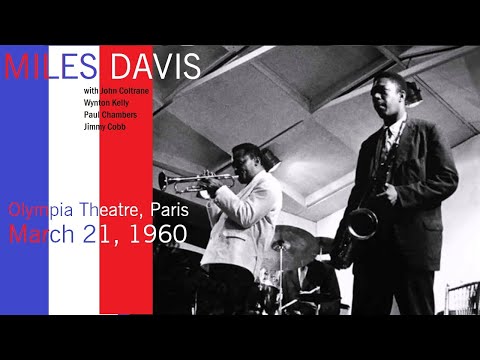 1:25:56
John Coltrane
 10:45
10:45John Coltrane
 2:56
2:56John Coltrane

Duke Ellington

Thelonious Monk
|Jazz, Bebop, Hard Bop by Thelonious Monk](https://img.youtube.com/vi/iOyf4R3lLKU/hqdefault.jpg)
Thelonious Monk