Jazz band — Rare Footage & Clips
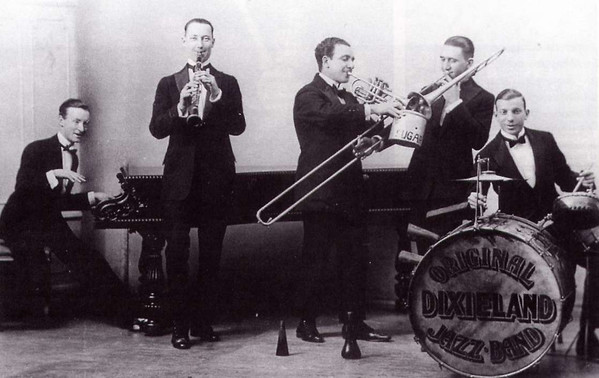
The Original Dixieland Jazz) Band, a name synonymous with the early days of jazz, has left an indelible mark on music history. Formed in 1916 in Chicago by five New Orleans musicians, this pioneering ensemble would go on to shape the course of jazz for generations to come.
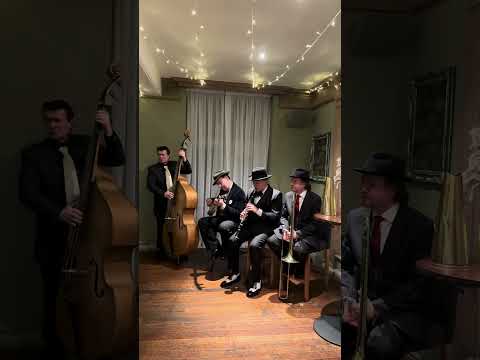
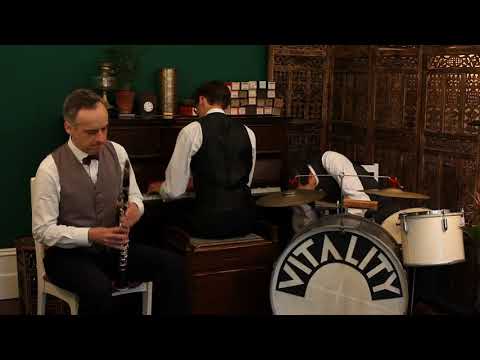
One of the most significant achievements of the Original Dixieland Jazz Band was their recording of the first jazz record ever, made on February 26, 1917. This historic session, held at the Victor Talking Machine Company studios, resulted in the release of a single titled "Livery Stable Blues" in May of that year. It's fascinating to note that this milestone is documented in various clips within our archive, including a rare footage from 1920s Europe where they performed live.
The band's innovative approach to music was not limited to their recordings alone. In 1918, the Original Dixieland Jazz Band made history by becoming the first ever jazz ensemble to perform in Europe. This groundbreaking tour marked a significant milestone in the global dissemination of jazz, paving the way for its widespread adoption across continents.
The five original members who laid the foundation for this legendary band were truly visionary musicians. Led by their cornetist and director, [a326830], the group consisted of [a326853] on trombone, [a326793] on clarinet, [a412532] on piano, and [a326844] on drums. Their collective talent and vision would go on to influence countless musicians who followed in their footsteps.
As we delve into the archive, it becomes clear that the Original Dixieland Jazz Band's impact extends far beyond their own discography. Their music has been extensively covered by other artists, with many notable albums bearing testament to their enduring legacy. For instance, Chris Barber's Jazz Band (1955) and Petite Fleur (1959) showcase the band's influence on British jazz musicians of the 1950s.
The significance of the Original Dixieland Jazz Band in music history cannot be overstated. As one of the earliest purveyors of jazz, they helped shape the genre into what it is today. Their innovative approach to music, coupled with their trailblazing performances and recordings, has left an indelible mark on the world of jazz.
Their legacy can be seen in various clips within our archive, including a rare footage from 1920s Europe where they performed live. This performance not only showcases their technical prowess but also highlights their ability to connect with audiences across cultures.
The band's influence extends beyond the realm of music as well. Their pioneering spirit and willingness to push boundaries have inspired countless artists across various disciplines. As we continue to explore their remarkable story, it becomes clear that the Original Dixieland Jazz Band's impact will be felt for generations to come.
In 1956, a new iteration of the band emerged in the United Kingdom, comprised of Bobby Hackett, Jack Lesberg, Frank Signorelli, Max Kaminsky, Eddie Condon, and other notable musicians. This ensemble would go on to record several albums, including Dixie and Historical Concerts with special guest Sister Rosetta Tharpe.
Their music, though distinct from the original lineup, still bore the hallmark of innovation and experimentation that defined the Original Dixieland Jazz Band's legacy. As we explore their discography, it becomes clear that this iteration of the band was deeply rooted in the traditions established by their predecessors while also pushing the boundaries of what jazz could be.
The significance of the Original Dixieland Jazz Band in music history is a testament to the power of innovation and experimentation. Their pioneering spirit has inspired generations of musicians, leaving an indelible mark on the world of jazz that will continue to resonate for years to come.
Curated from public records and music databases.