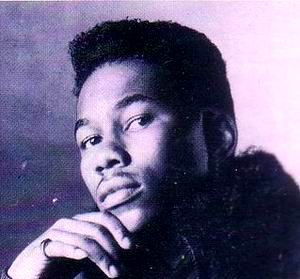
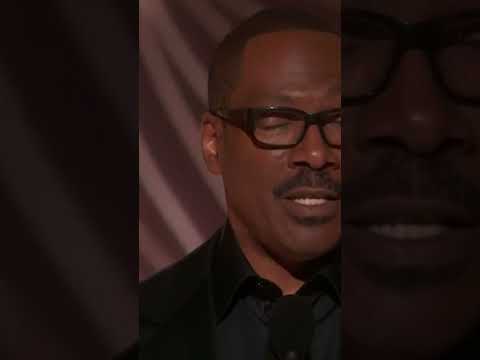
Eddie Smith — Rare Footage & Clips
Eddie Smith, better known as Fast Eddie, is an American DJ and house producer from Chicago, Illinois, whose contributions to music history are undeniable. With a career spanning over five decades, he has been instrumental in shaping the sound of Chicago House Music, a genre that emerged in the late 1980s.
One of the earliest signs of Fast Eddie's significance can be seen in his collaboration with Kenny "Jammin'" Jason on the single "Can You Dance?" in 1986. This track marked one of his first forays into production and laid the groundwork for what would become a defining sound of Chicago House Music. However, it was not until 1988 that Fast Eddie truly made his mark with the release of "Acid Thunder" on the D.J. International Label. Regarded as a classic of the Chicago acid house genre, this track cemented Fast Eddie's reputation as a master of the craft.
But it was the introduction of "Hip House" – essentially hip-hop lyrics over house beats – that catapulted Fast Eddie to new heights of popularity. This innovative fusion of styles not only increased his fan base but also paved the way for future experimentation in electronic music. With several tracks following in this vein, Fast Eddie solidified his position as a leading figure in the Chicago House Music scene.
The impact of Fast Eddie's work can be seen in various clips from DeepCutsArchive, which showcase his performances and productions during the height of his popularity. One such clip features him spinning on WGCI in 1987, demonstrating his unique ability to blend hip-hop and house beats. Another clip captures his live performance at a Chicago club in 1988, where he performs "Acid Thunder" to a packed crowd.
Fast Eddie's influence extends beyond the confines of Chicago House Music. His forays into Gangsta Rap with the group America's Most Wanted in 1990 may not have been as successful, but they demonstrate his willingness to experiment and push boundaries. However, it was two collaborations around 1995 that showcased his continued relevance: one with DJ Sneak and another with DJ Funk, both of which can be classified under the genre of ghetto house.
These collaborations not only highlighted Fast Eddie's ability to adapt to changing musical landscapes but also underscored his commitment to innovation. By working alongside other influential figures in Chicago's electronic music scene, he continued to shape the sound of the city and contribute to its rich musical heritage.
The significance of Fast Eddie's contributions cannot be overstated. As a pioneer of Chicago House Music, he played a pivotal role in shaping the genre and paving the way for future generations of producers and DJs. His innovative approach to blending styles has left an indelible mark on electronic music, influencing artists across genres and continents.
Through his extensive discography, including notable albums such as Jack to the Sound (1988), The Best of the DJ Fast Eddie (1989), Most Wanted (1989), Housemasters: The Best Of (1989), and Straight Jackin’ (1991), Fast Eddie has cemented his legacy as one of the most influential figures in Chicago's electronic music scene. His influence can be seen not only in the numerous artists who have followed in his footsteps but also in the enduring popularity of Chicago House Music itself.
As we delve into the archives, it becomes clear that Fast Eddie's impact on music history is multifaceted and far-reaching. His innovative approach to production, his ability to blend styles, and his commitment to innovation have left an indelible mark on electronic music. Through his performances, productions, and collaborations, he has not only contributed to the rich musical heritage of Chicago but also inspired generations of artists to push the boundaries of sound.
In the following sections, we will explore Fast Eddie's career in greater detail, examining specific clips from DeepCutsArchive that showcase his performances and productions. We will delve into the significance of "Acid Thunder" and its impact on the Chicago acid house genre. We will also examine the innovative fusion of hip-hop and house beats that defined "Hip House" and cemented Fast Eddie's reputation as a master of the craft.
Through this in-depth look at Fast Eddie's contributions to music history, we hope to provide a deeper understanding of his significance within the context of Chicago House Music. By examining the clips from DeepCutsArchive, we will gain a greater appreciation for the innovative spirit that defined his career and paved the way for future generations of producers and DJs.
Curated from public records and music databases.