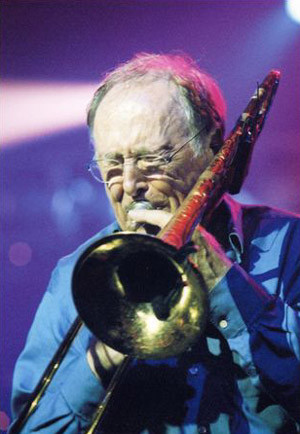
Chris Barber — Rare Footage & Clips
Chris Barber's legacy in music history is a testament to his unwavering dedication to preserving and promoting traditional jazz, blues, and rhythm and blues. As a trombonist, bandleader, and mentor, he played a pivotal role in shaping the British musical landscape of the 1950s and 1960s. The archive's collection of rare footage provides an intimate glimpse into his career, showcasing his artistry and influence on generations of musicians.
One clip from the archive features Barber's band performing "Petite Fleur" at the legendary Marquee Club in London (circa 1959). This performance marked a significant milestone for Barber, as it catapulted him to UK top twenty status with this trad jazz hit. The song's popularity was not limited to the UK; its success also resonated across the Atlantic, cementing Barber's reputation as a leading figure in the traditional jazz scene.
Barber's association with Lonnie Donegan is another crucial aspect of his legacy. As a member of Barber's band, Donegan's appearances helped trigger the skiffle craze of the mid-1950s. Skiffle, a genre characterized by its DIY ethos and eclectic blend of folk, blues, and country influences, became an integral part of British popular music. The clip featuring Barber and Donegan performing "Rock Island Line" (circa 1956) is a prime example of this phenomenon in action.
Donegan's transatlantic hit with Barber's band not only showcased his talent but also paved the way for other British musicians to explore American roots music. This marked a significant turning point, as it introduced a new wave of artists who would go on to shape the rhythm and blues and beat boom of the 1960s. The archive's footage provides an invaluable resource for understanding this pivotal moment in musical history.
Barber's influence extended beyond his own performances; he also played a crucial role in launching the careers of other notable musicians. One such example is Ottilie Patterson, who was at one time Barber's wife and a vocalist with his band. Her contributions to his music were invaluable, and her association with Barber helped introduce African-American blues influences to British audiences.
The clip featuring Louis Jordan and Chris Barber performing together (circa 1977) highlights the significance of their collaboration. Jordan, an American jazz and blues musician, was instrumental in shaping the sound of rhythm and blues. His partnership with Barber not only showcased his artistry but also underscored the transatlantic exchange of musical ideas that characterized this period.
Barber's commitment to promoting African-American blues musicians is another testament to his dedication to preserving traditional music. By sponsoring visits from artists such as Louis Jordan, he helped introduce new sounds and styles to British audiences. This initiative not only contributed to the development of British rhythm and blues but also paved the way for future generations of musicians.
The archive's collection of footage provides a unique opportunity to explore Barber's legacy in greater depth. His influence on British music extends far beyond his own performances; he played a pivotal role in shaping the musical landscape of the 1950s and 1960s. By examining the clips from the archive, we can gain a deeper understanding of his significance in music history.
One notable aspect of Barber's career is his ability to adapt and evolve as a musician. His willingness to experiment with new sounds and styles helped keep his music fresh and relevant. The clip featuring Chris Barber & Lonnie Donegan (1973) showcases their collaborative spirit, as they blend traditional jazz with folk and rock influences.
Barber's commitment to preserving traditional music is evident throughout his career. He remained true to his artistic vision, even in the face of changing musical trends. This dedication has left a lasting impact on generations of musicians who followed in his footsteps.
The archive's collection of footage provides an intimate glimpse into Barber's world, showcasing his artistry and influence on British music. By examining these clips, we can gain a deeper understanding of his significance in music history.
Curated from public records and music databases.