0 views
Share this clip
Know someone who'd love this clip?
Share it with friends and fellow fans.
Share this clip
Know someone who'd love this clip?
Share it with friends and fellow fans.
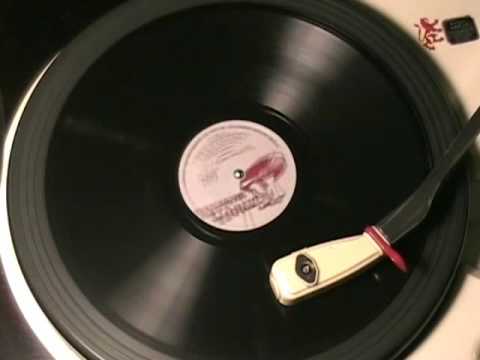
This "soundie" from the 1940's features a poor old fellow who can only afford one meatball. Doesn't it at least come with a little sauce!? Soundies were an early version of the music video: three-minute musical films, produced in New York, Chicago, and Hollywood between 1940 and 1946, often including short dance sequences. (The completed Soundies were generally released within a few months of their filming; the last group was released in March, 1947.) The films were displayed on the Panoram, a coin-operated film jukebox or machine music, in nightclubs, bars, restaurants, factory lounges, and amusement centers. Several production companies filmed the Soundies shorts: James Roosevelt's Globe Productions (1940-41), Cinemasters (1940-41), Minoco Productions (1941-43), RCM Productions (1941-46), LOL Productions (1943), Glamourettes (1943), Filmcraft Productions (1943-46), and Alexander Productions (1946). Soundies covered all genres of music, from classical to big-band swing, and from hillbilly novelties to patriotic songs. Jimmy Dorsey, Spike Jones, Liberace, Stan Kenton, Gale Storm, Kay Starr, Doris Day, The Hoosier Hot Shots, Harry "The Hipster" Gibson, Gene Krupa, Anita O'Day, Merle Travis, and Lawrence Welk were a few of the Soundies stars. Many nightclub and recording artists also made Soundies, including Gloria Parker, Charles Magnante, Milton DeLugg, and Gus Van. More than 1800 of the Soundies mini-musicals were made, and many of them have been released to home video. Today Soundies are perhaps best known for the performances of African-American artists who had fewer opportunities to perform in public venues. Fats Waller, Louis Jordan, Dorothy Dandridge, Big Joe Turner, Meade Lux Lewis, Lena Horne, Louis Armstrong, Nat King Cole, and Stepin Fetchit all made Soundies. Beginning in 1941 Soundies experimented with expanding its format, and filmed comedy Soundies with Our Gang star Carl "Alfalfa" Switzer, Broadway comic Willie Howard, dialect comedians Smith and Dale, and silent-movie comedians The Keystone Kops. Most of these films were non-musical, and were not as well received as the musical Soundies. Soundies abandoned the comedy-sketch idea, but continued to produce filmed versions of comic novelty songs. They were regularly described and reviewed in the entertainment and music trade publications, such as Billboard.
A musician is someone who composes, conducts, or performs music. According to the United States Employment Service, "musician" is a general term used to designate a person who follows music as a profession. Musicians include songwriters, who write both music and lyrics for songs; conductors, who direct a musical performance; and performers, who perform for an audience. A music performer is generally either a singer (also known as a vocalist), who provides vocals, or an instrumentalist, who plays...
More about The Sound→Added
This rare "soundie" clip from 1940 is a fascinating artifact of early music video history. Titled "One Meatball," it features a poor old fellow lamenting his inability to afford even one meatball with sauce, a poignant commentary on the economic hardships faced by many during the Great Depression.
The Soundies were an innovative format that predated modern music videos by decades. These three-minute musical films were produced in New York, Chicago, and Hollywood between 1940 and 1946, often featuring short dance sequences. The Panoram, a coin-operated film jukebox or machine music, displayed these shorts in nightclubs, bars, restaurants, factory lounges, and amusement centers.
The Soundies covered a wide range of genres, from classical to big-band swing, hillbilly novelties, and patriotic songs. Many notable artists of the time appeared in these shorts, including Jimmy Dorsey, Spike Jones, Liberace, Stan Kenton, Gale Storm, Kay Starr, Doris Day, The Hoosier Hot Shots, Harry "The Hipster" Gibson, Gene Krupa, Anita O'Day, Merle Travis, and Lawrence Welk. These performances not only entertained audiences but also provided opportunities for artists to showcase their talents in a format that was both new and exciting.
What makes this particular clip notable is its rarity and the fact that it has been preserved for over 80 years. The Soundies were often released within months of filming, and many have since been lost or destroyed. However, thanks to the efforts of collectors and archivists, "One Meatball" remains a valuable piece of music history.
The clip's significance extends beyond its entertainment value, as it offers a glimpse into the lives of everyday people during a tumultuous period in American history. The poor old fellow's lament about his inability to afford even one meatball resonates with the struggles faced by many during the Great Depression.
In addition to its historical importance, this clip is also notable for its representation of African-American artists who had limited opportunities to perform in public venues at the time. Many Soundies featured performances by black musicians and dancers, providing a platform for them to showcase their talents and break down racial barriers.
The inclusion of "One Meatball" in the DeepCutsArchive collection is a testament to the archive's commitment to preserving rare and unique musical artifacts. This clip serves as a reminder of the rich history of music video production and the impact it had on shaping the industry into what we know today.
As we watch this vintage soundie, we are transported back to a bygone era, where music was not only a source of entertainment but also a reflection of the times in which it was created. "One Meatball" is more than just a nostalgic relic; it's a window into the past that offers valuable insights into the lives and struggles of people during one of America's most challenging periods.
Curated from public records and music databases.
Cream
 1:45
1:45R.E.M., Jean Ritchie, soo, Y&T
 3:25
3:25Kevin Sullivan
 3:08
3:08Smooth jazz
 2:50
2:50The Sound, R.E.M., L.A.B., Mani
 2:55
2:55The Sound, R.E.M., The Who
 4:12
4:12Composer, The Sound, L.A.B., Nico, The La's, Y&T
 23:28
23:28The Sound, The Band, Concert