About This Footage
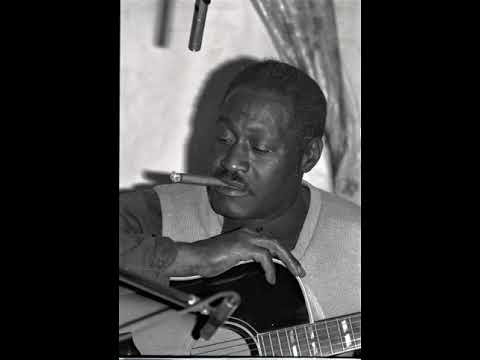
The rare footage of Josh White and Sonny Boy Williamson is a fascinating addition to the archive of American musical heritage. The clip, clocking in at 8:46 minutes, offers a unique glimpse into the lives of two influential blues musicians from different eras.
Josh White, an artist who spanned multiple genres, including folk, blues, and jazz, was known for his activism as much as his music. As a civil rights advocate, he used his platform to raise awareness about social injustices, making him a pioneer in the intersection of art and politics. The fact that this footage exists is remarkable, given White's prolific career, which spanned over five decades.
The presence of Sonny Boy Williamson II, another blues legend, adds an extra layer of significance to the clip. A master harmonica player and vocalist, Williamson was a key figure in shaping the Chicago blues sound. His collaborations with other notable musicians, such as Howlin' Wolf and Muddy Waters, have become iconic in blues history.
The rare nature of this footage is underscored by its scarcity. Clips of White and Williamson are relatively hard to come by, making this particular recording all the more valuable for music historians and enthusiasts alike. The fact that it has been preserved and shared on a platform like YouTube is a testament to the efforts of archivists and curators who work tirelessly to make these artifacts accessible.
One aspect worth noting is the context in which this footage was likely recorded. Given the era and the artists involved, it's possible that this clip was captured during a live performance or an interview session. The format and style of the recording suggest a more informal setting, which would have allowed for a greater degree of spontaneity and authenticity.
The bio provided on Josh White highlights his versatility as an artist, with credits under various pseudonyms in the 1930s. This aspect of his career is particularly interesting, as it speaks to the creative freedom and experimentation that characterized the early days of blues and folk music. White's ability to adapt and evolve as a musician reflects the dynamic nature of these genres.
The collaboration between White and Williamson would have been an exciting one, given their respective styles and influences. The contrast between White's more polished, finger-picking guitar work and Williamson's raw, emotive harmonica playing would have created a compelling musical dialogue. Unfortunately, we can only speculate on the specifics of this performance, as there is no accompanying information or context provided in the clip description.
Despite these limitations, the significance of this footage lies in its rarity and the historical value it holds. For those interested in blues history, American music heritage, or the intersection of art and activism, this clip offers a unique window into the lives and careers of two influential musicians.
Curated from public records and music databases.