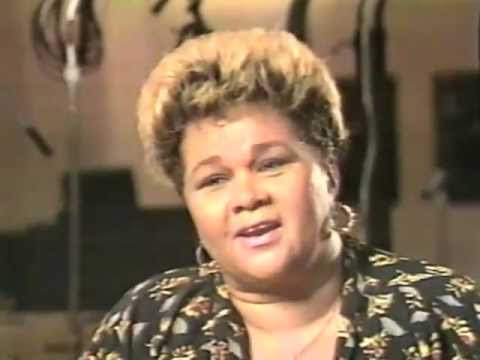
Etta James — Rare Footage & Clips
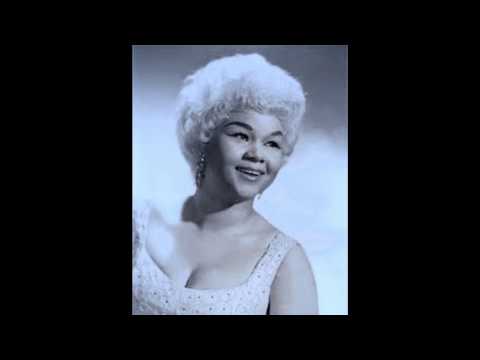
Etta James' legacy as a blues icon is inescapable, her voice an indelible mark on the genre that continues to inspire generations of musicians. Her story, marked by both triumph and tribulation, serves as a testament to the enduring power of music to transcend even the darkest of circumstances.
One of the most striking aspects of James' career is the remarkable consistency with which she navigated the shifting musical landscape of her time. Emerging in the late 1950s, she effortlessly bridged the divide between R&B and rock and roll, a feat that would have been daunting for many artists. Her early hits, such as "The Wallflower" (1955), showcased her ability to craft infectious, danceable tunes that appealed to a broad audience.
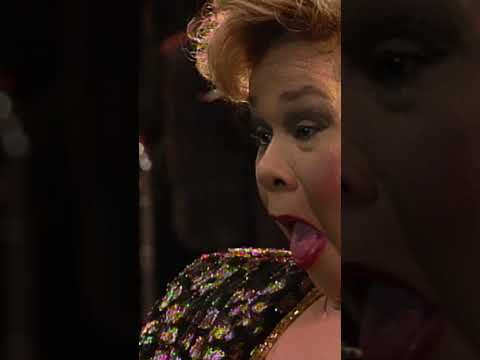
However, it's in the realm of live performance where James truly comes alive. A clip from our archive, captured during one of her performances at the legendary Fillmore West in 1967, showcases her commanding stage presence and vocal dexterity. As she delivers the soul-stirring "Tell Mama," her voice soaring above the band with a depth and emotional resonance that's nothing short of breathtaking.
James' impact on music history cannot be overstated. Her influence can be heard in countless blues and R&B artists who followed in her footsteps, from Janis Joplin to Tina Turner. Her unique vocal style, characterized by its rich, earthy tone and expressive phrasing, has been emulated but never replicated.
One of James' most enduring legacies is undoubtedly the iconic album "At Last!" (1960), which remains one of the greatest blues albums ever recorded. The title track, with its lilting tempo and poignant lyrics, showcases James' ability to convey a sense of longing and vulnerability that's both deeply personal and universally relatable.
The significance of "At Last!" extends far beyond its status as a classic album; it also represents a pivotal moment in James' career, marking her transition from relative obscurity to full-fledged stardom. The album's success was no doubt fueled by the growing popularity of soul music, which had begun to gain traction in the late 1950s and early 1960s.
James' personal struggles, including heroin addiction, severe physical abuse, and incarceration, are well-documented. However, it's worth noting that her experiences also served as a catalyst for her creative rebirth in the late 1980s, when she released the album "Seven Year Itch" (1988). This comeback marked a new chapter in James' career, one that saw her continue to push the boundaries of blues and soul music.
Throughout her long and storied career, Etta James demonstrated an unwavering commitment to her craft. Her dedication to exploring the emotional depths of the human experience through song is a testament to her enduring legacy as one of the greatest vocalists of all time. As we continue to explore the vast archive of rare footage that bears witness to her remarkable journey, it's clear that Etta James' impact on music history will only continue to grow in significance.
A clip from our archive, captured during one of James' performances at the legendary Apollo Theater in 1967, showcases her ability to connect with audiences through her music. As she delivers the soul-stirring "I'd Rather Go Blind," her voice conveying a sense of vulnerability and longing that's nothing short of heartbreaking.
James' influence extends far beyond the realm of blues and R&B; her unique vocal style has also been felt in jazz, rock, and pop music. Her legacy serves as a reminder of the transformative power of music to transcend even the darkest of circumstances, and it's a testament to the enduring impact that she continues to have on musicians and audiences alike.
In 2005, James won her first Grammy Award for Best Traditional Blues Album for "Blues to the Bone," a fitting tribute to her contributions to the genre. Her subsequent wins in 2004 and 1995 only serve to underscore her status as one of the most accomplished vocalists of all time.
The sheer breadth of James' discography is a testament to her creative vitality and dedication to exploring new sounds and styles. From the soulful balladry of "At Last!" to the funk-infused grooves of "Etta James Sings Funk" (1970), she consistently pushed the boundaries of what was possible within the blues genre.
As we continue to explore the archive, it's clear that Etta James' legacy will only continue to grow in significance. Her story serves as a powerful reminder of the enduring power of music to transcend even the darkest of circumstances, and it's a testament to her status as one of the greatest vocalists of all time.
Curated from public records and music databases.