DeepCutsArchive
BrowseArtistsTimelineMapDecadesSubmit

DeepCutsArchive

Preserving the footage that shaped music history. Rare clips, studio sessions, and moments lost to time.

BrowseArtistsGenresDecadesLocationsSubmit a ClipAboutContactEditorial PolicyArticles

© 2026 DeepCutsArchive. All footage remains the property of its original creators.

Privacy PolicyTerms of UseSupport

Developed with love as a personal project by Jamie McDonnell

ui-ux-design.comai-consultancy.company
John Lee Hooker — Rare Clips — DeepCutsArchive — DeepCutsArchive
John Lee Hooker

John Lee Hooker

Blues1917–2001United States1960s1950s1990s1970s

About John Lee Hooker

John Lee Hooker (August 22, 1912 or 1917 – June 21, 2001) was an American blues singer, songwriter, and guitarist. The son of a sharecropper, he rose to prominence performing an electric guitar-style adaptation of Delta blues that he developed in Detroit. Hooker often incorporated other elements, including talking blues and early North Mississippi hill country blues. He developed his own driving-rhythm boogie style, distinct from the 1930s–1940s piano-derived boogie-woogie. Hooker was ranked 35 in Rolling Stone's 2015 list of 100 greatest guitarists, and has been cited as one of the greatest male blues vocalists of all time. Some of his best known songs include "Boogie Chillen'" (1948), "Crawling King Snake" (1949), "Dimples" (1956), "Boom Boom" (1962), and "One Bourbon, One Scotch, One Beer" (1966). Several of his later albums, including The Healer (1989), Mr. Lucky (1991), Chill Out (1995), and Don't Look Back (1997), were album chart successes in the U.S. and UK.

Read more on Wikipedia →

Formed

1917 – 2001

Origin

United States

Discography

Highway of Blues (1959)

The Country Blues of John Lee Hooker (1959)

I’m John Lee Hooker (1959)

House of the Blues (1959)

John Lee Hooker Sings Blues (1960)

That’s My Story (Sings the Blues) (1960)

Travelin’ (1960)

Plays and Sings the Blues (1961)

The Folk Lore of John Lee Hooker (1961)

Burnin’ (1962)

John Lee Hooker (1962)

The Big Soul of John Lee Hooker (1963)

On Campus (1963)

The Great John Lee Hooker (1963)

Don’t Turn Me From Your Door (1963)

John Lee Hooker by Type

TourRareSoloStudioHome Recording

Featured

Thumbnail for How Britain Got The Blues 04 by Howlin' Wolf, John Lee Hooker, Jesse Fuller14:57

How Britain Got The Blues 04

Howlin' Wolf, John Lee Hooker, Jesse Fuller

TourRare

John Lee Hooker by Decade

1950s1960s1970s1990s

Keep Exploring

1950s1970sAll ArtistsAll GenresAll Decades
Behind the Scenes
Interview
Live
Thumbnail for William Bell - Any Other Way (Official Visualizer) by The Staple Singers, R.E.M., Otis Redding, The Four Tops, Jerry Lee Lewis, The Byrds, John Lee Hooker, The Bar-Kays, Isaac Hayes2:30

William Bell - Any Other Way (Official Visualizer)

The Staple Singers, R.E.M., Otis Redding, The Four Tops, Jerry Lee Lewis, The Byrds, John Lee Hooker, The Bar-Kays, Isaac Hayes

1960sSoloRare

Solo7 clips

View all solo→
  • Thumbnail for William Bell - Any Other Way (Official Visualizer) by The Staple Singers, R.E.M., Otis Redding, The Four Tops, Jerry Lee Lewis, The Byrds, John Lee Hooker, The Bar-Kays, Isaac Hayes2:30

    William Bell - Any Other Way (Official Visualizer)

    The Staple Singers, R.E.M., Otis Redding, The Four Tops, Jerry Lee Lewis, The Byrds, John Lee Hooker, The Bar-Kays, Isaac Hayes

    1960sSoloRare
  • Thumbnail for William Bell - Every Man Ought To Have A Woman (Official Visualizer) by The Staple Singers, R.E.M., Otis Redding, The Four Tops, Jerry Lee Lewis, The Byrds, John Lee Hooker, The Bar-Kays, Isaac Hayes2:45

    William Bell - Every Man Ought To Have A Woman (Official Visualizer)

    The Staple Singers, R.E.M., Otis Redding, The Four Tops, Jerry Lee Lewis, The Byrds, John Lee Hooker, The Bar-Kays, Isaac Hayes

    1960sSoloRare
  • Thumbnail for William Bell - Everybody Loves A Winner (Official Visualizer) by The Staple Singers, R.E.M., Otis Redding, The Four Tops, Jerry Lee Lewis, The Byrds, John Lee Hooker, The Bar-Kays, Isaac Hayes2:53

    William Bell - Everybody Loves A Winner (Official Visualizer)

    The Staple Singers, R.E.M., Otis Redding, The Four Tops, Jerry Lee Lewis, The Byrds, John Lee Hooker, The Bar-Kays, Isaac Hayes

    1960sSoloRare
  • Thumbnail for William Bell - You Don't Miss Your Water (Official Visualizer) by The Staple Singers, R.E.M., Otis Redding, The Four Tops, Jerry Lee Lewis, The Byrds, John Lee Hooker, The Bar-Kays, Isaac Hayes3:01

    William Bell - You Don't Miss Your Water (Official Visualizer)

    The Staple Singers, R.E.M., Otis Redding, The Four Tops, Jerry Lee Lewis, The Byrds, John Lee Hooker, The Bar-Kays, Isaac Hayes

    1960sSoloRare

Rare5 clips

View all rare→
  • Thumbnail for John  Lee  Hooker  - My own blues by John Lee Hooker2:37

    John Lee Hooker - My own blues

    John Lee Hooker

    Rare
  • Thumbnail for How a John Lee Hooker Record in Sweden Led to an Oscar by John Lee Hooker

    How a John Lee Hooker Record in Sweden Led to an Oscar

    John Lee Hooker

    Rare
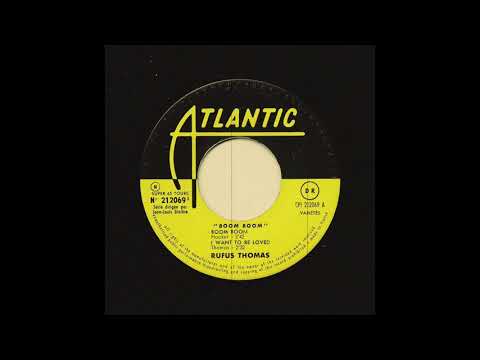
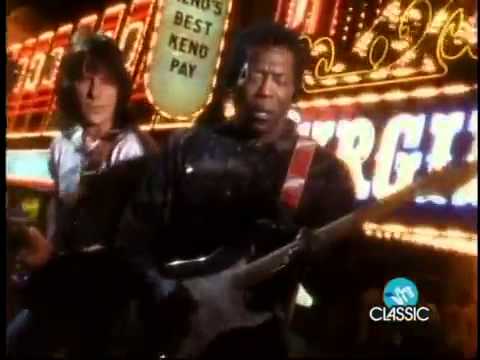
  • Thumbnail for John Lee Hooker - Boom Boom (from "The Blues Brothers") by John Lee Hooker

    John Lee Hooker - Boom Boom (from "The Blues Brothers")

    John Lee Hooker

    Rare
  • Thumbnail for It Serves Me Right To Suffer: The John Lee Hooker Story by John Lee Hooker

    It Serves Me Right To Suffer: The John Lee Hooker Story

    John Lee Hooker

    Rare

Interview3 clips

  • Thumbnail for Carlos Santana + John Lee Hooker ~ Leno interview by John Lee Hooker

    Carlos Santana + John Lee Hooker ~ Leno interview

    John Lee Hooker

    InterviewRare
  • Thumbnail for John Lee Hooker - Interview - 8/17/1991 - Newport Jazz Festival (Official) by John Lee Hooker

    John Lee Hooker - Interview - 8/17/1991 - Newport Jazz Festival (Official)

    John Lee Hooker

    1990sInterviewRare
  • Thumbnail for John Lee Hooker - Interview - 7/6/1976 - Capitol Theatre (Official) by John Lee Hooker

    John Lee Hooker - Interview - 7/6/1976 - Capitol Theatre (Official)

    John Lee Hooker

    1970sInterviewRare

Behind the Scenes2 clips

  • Thumbnail for #BTS with The Boneshakers- John Lee Hooker Pt. 2 by John Lee Hooker

    #BTS with The Boneshakers- John Lee Hooker Pt. 2

    John Lee Hooker

    Behind the ScenesRare
  • Thumbnail for #BTS with The Boneshakers- John Lee Hooker Pt. 1 by John Lee Hooker

    #BTS with The Boneshakers- John Lee Hooker Pt. 1

    John Lee Hooker

    Behind the ScenesRare

More Clips2 clips

  • Thumbnail for How Britain Got The Blues 04 by Howlin' Wolf, John Lee Hooker, Jesse Fuller14:57

    How Britain Got The Blues 04

    Howlin' Wolf, John Lee Hooker, Jesse Fuller

    TourRare
  • Thumbnail for John Lee Hooker – Electric Blues Lost Tape | Boogie Gospel (1951) [Vintage Detroit Sound | by The Sound, R.E.M., John Lee Hooker, Muddy Waters, Son House1:02:07

    John Lee Hooker – Electric Blues Lost Tape | Boogie Gospel (1951) [Vintage Detroit Sound |

    The Sound, R.E.M., John Lee Hooker, Muddy Waters, Son House

    1950sStudioHome Recording
Browse by Tag
More from 1960s
blues in 1970s
blues in 1980s

John Lee Hooker — Rare Footage & Clips

John Lee Hooker's legacy as a blues icon is well-documented in music history, but the significance of his contributions extends far beyond his own genre. As an artist who defied conventions and pushed boundaries, Hooker's impact on popular music cannot be overstated.

Born in 1912 or 1917 (the exact date is disputed), Hooker rose to prominence in Detroit during the 1940s, where he developed a unique electric guitar style that blended Delta blues with his own driving-rhythm boogie. This distinctive sound, which departed from the piano-derived boogie-woogie of the 1930s and 1940s, not only influenced generations of musicians but also paved the way for future innovations in popular music.

One of Hooker's earliest and most enduring hits is "Boogie Chillen'" (1948), a song that showcases his innovative approach to the blues. This clip from the archive features Hooker performing "Boogie Chillen'" at its peak, with his signature growling vocals and hypnotic guitar riffs that have become synonymous with the genre.

In addition to his own music, Hooker's influence can be heard in the work of other notable artists. For example, Eric Clapton has often cited Hooker as a major inspiration, while Bob Dylan has covered several of Hooker's songs in live performances. The impact of Hooker's music on these and countless other musicians is a testament to his enduring legacy.

Beyond his contributions to popular music, Hooker was also an important figure in the blues revival of the 1960s. As a key figure in this movement, he helped introduce the genre to new audiences and paved the way for future generations of blues musicians. This clip from the archive features Hooker performing at the Newport [Jazz Festival](/artist/newport-jazz-festival) in 1991, where he shared the stage with other notable artists.

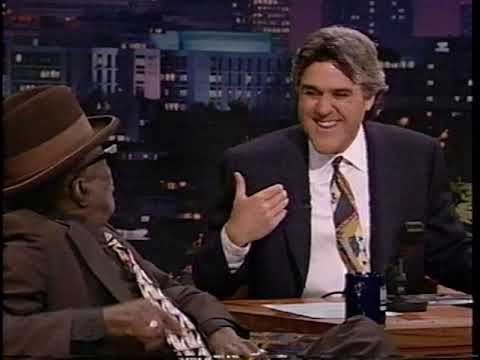
Hooker's collaborations with other musicians are also noteworthy. His work with Carlos Santana, as seen in this Leno interview, showcases his ability to adapt and innovate within different musical contexts. This collaboration not only highlights Hooker's versatility but also demonstrates his willingness to experiment and push boundaries.

The archive also features several clips that highlight Hooker's storytelling abilities through music. "One Bourbon, One Scotch, One Beer" (1966) is a prime example of this, with its haunting lyrics and memorable melody that have become an anthem for the blues. This song, along with others like "Boom Boom" (1962), showcases Hooker's ability to craft compelling narratives through his music.

In addition to his music, Hooker was also an important figure in popular culture. His appearance in "The Blues Brothers" film is a notable example of this, as seen in this clip from the archive. This cameo not only highlights Hooker's enduring appeal but also demonstrates his ability to transcend genre boundaries and connect with new audiences.

Hooker's impact on music extends beyond his own work, however. As an artist who defied conventions and pushed boundaries, he paved the way for future innovations in popular music. His influence can be heard in a wide range of genres, from rock to jazz to hip-hop, and continues to inspire musicians today.

The archive also features several clips that highlight Hooker's personal story and experiences as a musician. "It Serves Me Right To Suffer: The John Lee Hooker Story" is a notable example of this, with its in-depth look at Hooker's life and career. This documentary not only provides valuable insight into Hooker's experiences but also highlights the challenges he faced as an artist.

Hooker's later work was also marked by significant commercial success. Albums like "The Healer" (1989) and "Chill Out" (1995) earned him Grammy wins, while "Don't Look Back" (1997) went on to earn him a double-Grammy win for Best Traditional Blues Recording and Best Contemporary Blues Album. This clip from the archive features Hooker performing at the Newport Jazz Festival in 1991, where he shared the stage with other notable artists.

In addition to his own music, Hooker was also an important figure in popular culture. His appearance in "The Blues Brothers" film is a notable example of this, as seen in this clip from the archive. This cameo not only highlights Hooker's enduring appeal but also demonstrates his ability to transcend genre boundaries and connect with new audiences.

Hooker's influence on music extends far beyond his own work, however. As an artist who defied conventions and pushed boundaries, he paved the way for future innovations in popular music. His impact can be heard in a wide range of genres, from rock to jazz to hip-hop, and continues to inspire musicians today.

The archive also features several clips that highlight Hooker's personal story and experiences as a musician. "It Serves Me Right To Suffer: The John Lee Hooker Story" is a notable example of this, with its in-depth look at Hooker's life and career. This documentary not only provides valuable insight into Hooker's experiences but also highlights the challenges he faced as an artist.

Hooker's legacy continues to be celebrated today, with his music remaining a staple of blues and popular music collections worldwide. As an artist who defied conventions and pushed boundaries, Hooker's impact on music history is undeniable.

Curated from public records and music databases.

More Blues Artists

BB KingCreamEric ClaptonEtta JamesJanis JoplinMuddy WatersStevie Ray Vaughan

Explore Similar Genres

JazzR&BRockSoul