![Thumbnail for [1987-78] John Peel Selection ~ BBC Radio 1 ~ Nov & Dec 1987 inc Extreme Noise Terror by R.E.M., Cream, Frida, Mae](https://img.youtube.com/vi/bPMoFDM4Tvw/hqdefault.jpg) 37:45
37:45[1987-78] John Peel Selection ~ BBC Radio 1 ~ Nov & Dec 1987 inc Extreme Noise Terror
R.E.M., Cream, Frida, Mae
1980sRare
Rare blues footage from the 1980s — interviews, studio sessions, and behind-the-scenes clips. Browse 38 clips below.
The blues genre has long been a cornerstone of American music, with its roots dating back to the mid-19th century among African Americans in the Deep South. By the 1980s, the blues had evolved and branched out into various sub-genres, influencing not only jazz, rhythm and blues, but also rock and roll. This decade saw a significant shift in the music landscape, with the rise of MTV, the synthesizer revolution, and the globalization of pop music.
As we delve into the "1980s Blues" page on DeepCutsArchive, it becomes clear that this genre continued to thrive amidst the changing musical tides. The blues form remained characterized by its distinctive call-and-response pattern, blues scale, and specific chord progressions – including the twelve-bar blues, which remains one of the most common forms. Blue notes, or "worried notes," continued to play a crucial role in the sound of the blues, with their flattened thirds, fifths, or sevenths adding an air of melancholy and emotional depth.
The 1980s were marked by a significant increase in behind-the-scenes footage, thanks in part to the explosion of home video technology. This has left us with a treasure trove of tour documentaries, making-of specials, and backstage footage that offers a unique glimpse into the lives of blues musicians during this period. The archive contains 19 clips that showcase the blues genre in all its glory, offering a fascinating insight into the world of blues music in the 1980s.
One of the most striking aspects of the blues in the 1980s is the way it adapted to the changing musical landscape. As rock and roll continued to evolve, incorporating elements of blues, funk, and soul, the blues itself underwent a transformation. Artists such as Stevie Ray Vaughan, Robert Cray, and Albert Collins pushed the boundaries of traditional blues, experimenting with new sounds and styles while still maintaining the genre's core essence.
The 1980s also saw the rise of blues-rock fusion, with artists like Eric Clapton and Jeff Beck incorporating blues elements into their music. This blend of styles not only expanded the blues' reach but also helped to revitalize interest in the genre among younger audiences. The archive's clips showcase this evolution, with performances that seamlessly blend traditional blues with rock and roll sensibilities.
The "1980s Blues" page on DeepCutsArchive is a testament to the enduring power of this music genre. As we explore the 19 clips contained within, we are reminded of the blues' ability to adapt, evolve, and continue to captivate audiences across generations. From the iconic performances to the behind-the-scenes footage, each clip offers a unique perspective on the world of blues music in the 1980s.
As we delve deeper into this archive, it becomes clear that the blues was not only a musical genre but also a reflection of the social and cultural landscape of the time. The struggles, triumphs, and emotions expressed through the blues provide a poignant reminder of the human experience, transcending genres and generations. The "1980s Blues" page on DeepCutsArchive is an essential resource for anyone interested in music history, offering a comprehensive and intimate look at this pivotal moment in the evolution of the blues.
Curated from public records and music databases.
The 1980s brought MTV, the synthesiser revolution, and the globalisation of pop music. Michael Jackson, Prince, Madonna, U2, and Run-DMC dominated the mainstream, while underground scenes — post-punk, hardcore, hip-hop, and indie — were building the foundation for the next decade. The explosion of home video meant more behind-the-scenes footage was captured than ever before. Tour documentaries, making-of specials, and backstage footage from the 80s reveal an industry in rapid transformation.
Blues is a music genre and musical form that originated among African Americans in the Deep South of the United States around the 1860s. Blues has incorporated spirituals, work songs, field hollers, shouts, chants, and rhymed simple narrative ballads from the African-American culture. The blues form is ubiquitous in jazz, rhythm and blues, and rock and roll, and is characterized by the call-and-response pattern, the blues scale, and specific chord progressions, of which the twelve-bar blues is ...
All Bluesfootage →37:45R.E.M., Cream, Frida, Mae
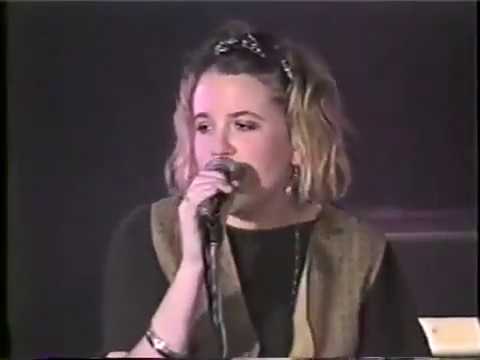 2:43
2:43The Sound, R.E.M., L.A.B., James Bradley Jr., Merle Haggard, The Band, Cream, Mary's Danish
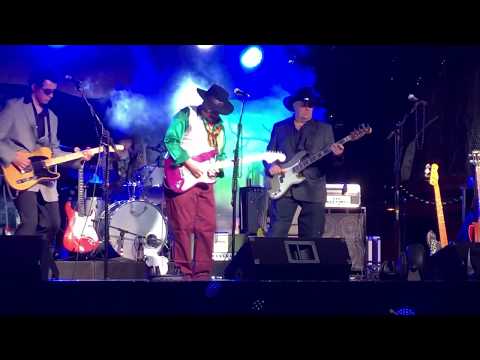 6:18
6:18Jimmie Vaughan, Stevie Ray Vaughan, Reni
 10:28
10:28J.O.E., the ramo, the ram, Ramones, Ween, Cream, the ramones, the ramone
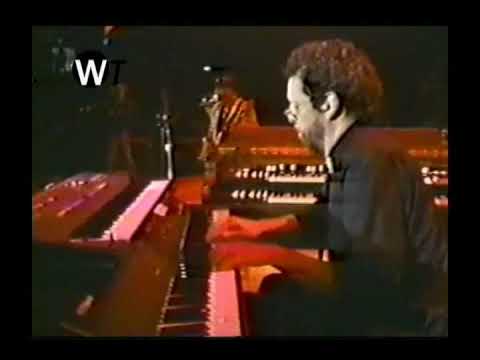 4:15
4:15Stevie Ray Vaughan, Y&T
 2:49
2:49Stevie Ray Vaughan
 2:04
2:04arthur lee, Screaming Trees, arthur l, Cream, arthur le
 6:16
6:16R.E.M., Cream
 7:03
7:03Cream
 0:39
0:39vieja, Diplo, R.E.M., viej, Kanye West, Ween, viejas, Cream, NME, Sting
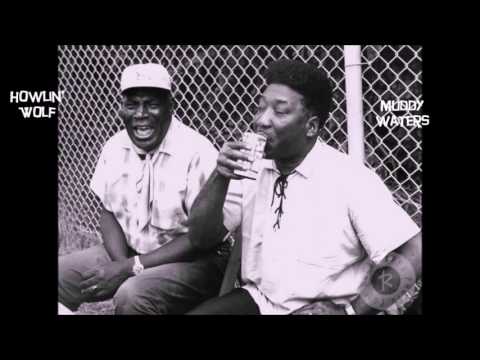 8:29
8:29Howlin' Wolf, Ike Turner, Magic Sam, NME, Muddy Waters, Eddie Shaw
 4:14
4:14R.E.M., Ratt, Cream, soo, Y&T
 9:10
9:10Mother Mother, Cream
 41:33
41:33Mother Mother, Big Smo, The Band, Kansas City Red, Junior Wells, Ween, Cream, Buddy Guy, Floyd Jones, Y&T
 25:37
25:37Mother Mother, R.E.M., Big Smo, The Band, Kansas City Red, Junior Wells, Ween, Cream, Buddy Guy, Floyd Jones, Muddy Waters, Y&T, Sting
 18:10
18:10Cream, Primal Scream
 4:17
4:17Eric Clapton
 1:01
1:01R.E.M., NWA, Cream, Slash, Michael Jackson, Y&T, Dalla
 0:53
0:53Eric Clapton, Taylor Swift, R.E.M., Freddie King, Ween, VAST, The Beatles, Stevie Ray Vaughan, The La's
 55:41
55:41Little Sister, Lynyrd Skynyrd, Stevie Ray Vaughan
 9:22
9:22Johnny Winter, Muddy Waters
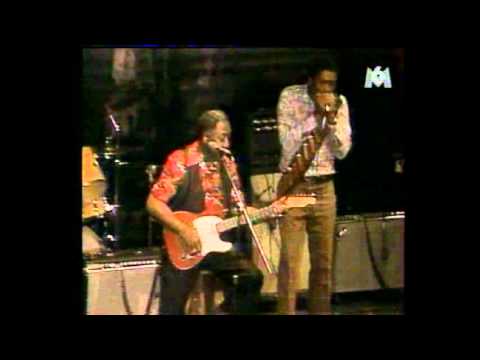 3:54
3:54Muddy Waters
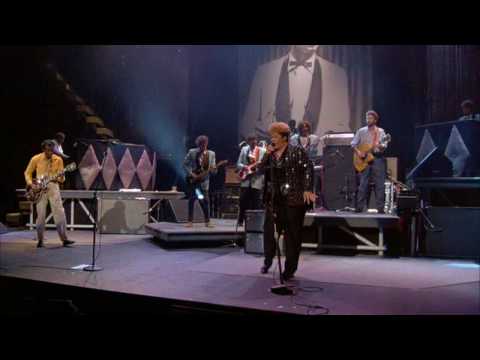 3:42
3:42Etta James
![Thumbnail for Etta James, Gladys Knight and Chaka Khan - Ain't Nobody Business (live BB King & Friends) [HQ] by Etta James](https://img.youtube.com/vi/MoBlmp9cOL4/hqdefault.jpg) 5:11
5:11Etta James
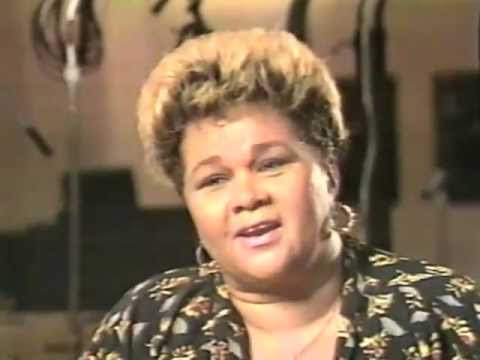 5:50
5:50Etta James
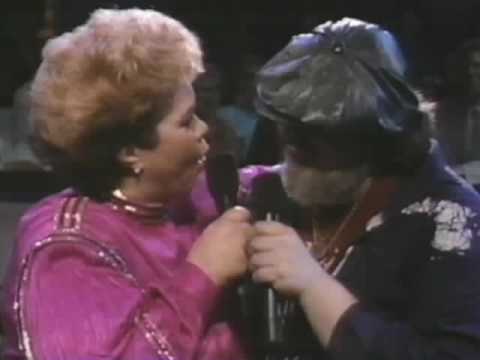 5:54
5:54Etta James
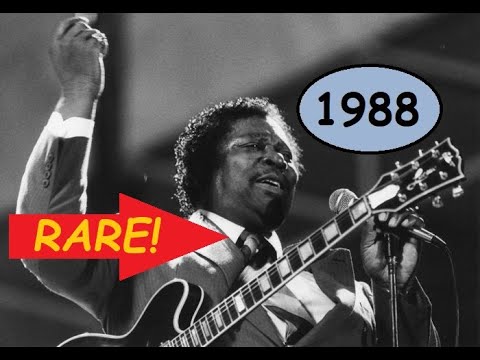
BB King
![Thumbnail for B.B. King & Friends - A Blues Session [live in L.A. 1987] by B.B. King, BB King](https://img.youtube.com/vi/yOSnUmLt5VQ/hqdefault.jpg)
B.B. King, BB King
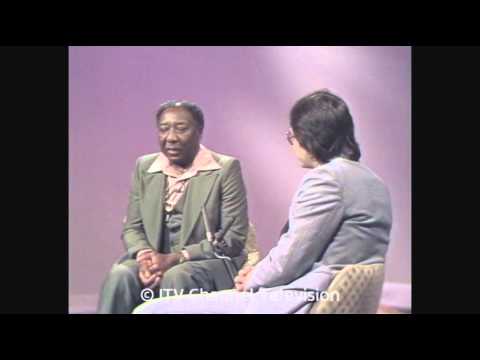
Muddy Waters
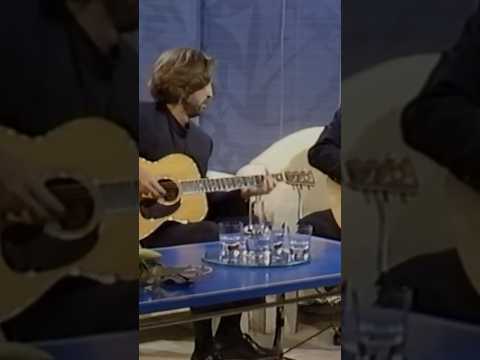
Eric Clapton, Pete Townshend
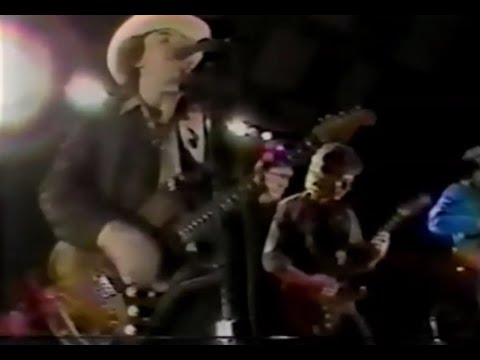
Stevie Ray Vaughan
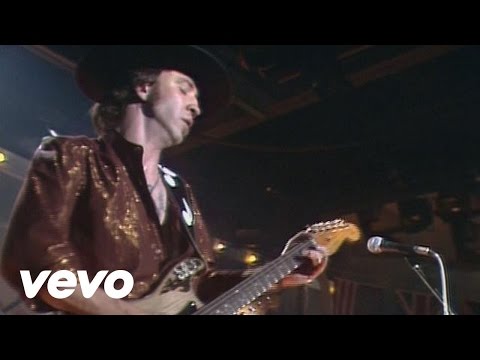
Stevie Ray Vaughan
Stevie Ray Vaughan
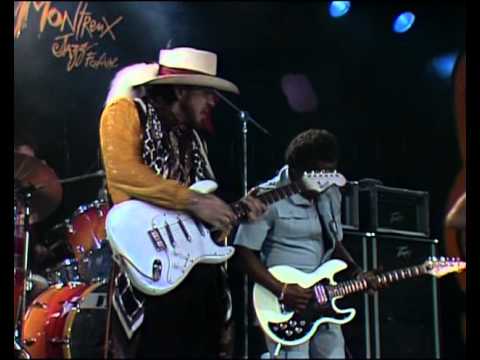
Stevie Ray Vaughan

Stevie Ray Vaughan
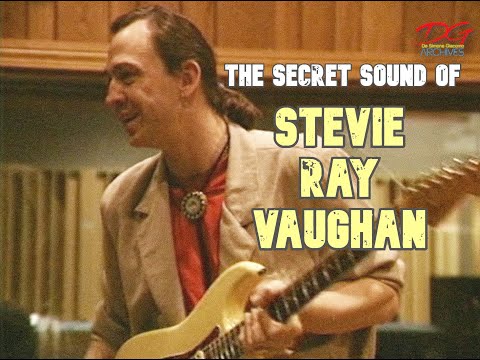
Stevie Ray Vaughan
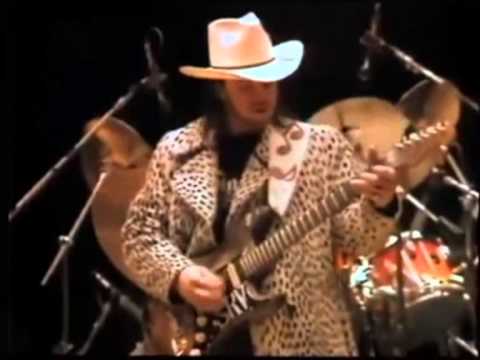
Stevie Ray Vaughan
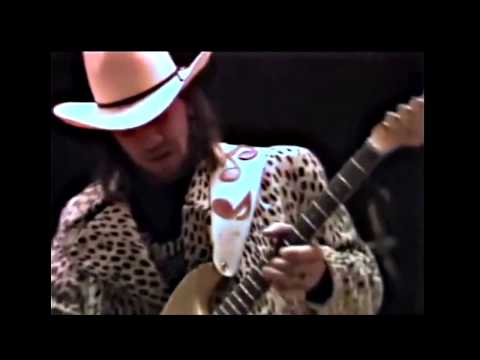
Stevie Ray Vaughan