 1:03:55
Sum 41 | Live In Tokyo "Sake Bombs And Happy Endings"
R.E.M., Head, Tom Thacker, Sum 41, T.O.K., The Band, Ed King, Deryck Whibley, Cream, Dave Baksh, Frank Zummo
1990sStudioRare
Rare blues footage from the 1990s — interviews, studio sessions, and behind-the-scenes clips. Browse 36 clips below.
The 1990s was a transformative decade for music, marked by a proliferation of new genres and styles that would go on to shape the soundscapes of the next century. Amidst this creative ferment, the blues continued to evolve, incorporating elements from its African-American roots while absorbing influences from rock, jazz, and R&B. The result was a vibrant, eclectic scene that belied the genre's traditional associations with rural America.
One of the defining characteristics of 1990s blues is its eclecticism. Artists like B.B. King, who had been staples of the genre for decades, continued to innovate, incorporating elements from rock and R&B into their music. Meanwhile, younger artists like Stevie Ray Vaughan and Albert Collins pushed the boundaries of traditional blues, experimenting with new sounds and styles that reflected the changing musical landscape.
The 1990s also saw a resurgence of interest in roots music, driven in part by the alternative rock explosion and the rise of grunge. Bands like Nirvana and Pearl Jam drew on blues influences, incorporating elements from the genre into their sound. This fusion of styles helped to introduce blues to a new generation of listeners, who were drawn to its raw emotion and authenticity.
Behind-the-scenes footage from this era offers a unique glimpse into the lives of these artists, capturing them in intimate settings that reveal the creative process behind their music. Home camcorder recordings, MTV specials, and early online video captured performances, rehearsals, and interviews that provide a nuanced portrait of the blues scene in the 1990s.
The archive's collection of 13 clips for Blues in the 1990s offers a fascinating glimpse into this era, featuring artists like B.B. King, Stevie Ray Vaughan, and Albert Collins. These performances showcase the genre's eclecticism, as well as its continued relevance to contemporary music. With its emphasis on raw emotion and authenticity, blues remains a powerful force in music, capable of transcending genres and styles.
One notable aspect of 1990s blues is its use of technology. The decade saw significant advances in recording equipment and software, allowing artists to experiment with new sounds and styles. This was particularly evident in the work of producers like Jim Gaines and David Z., who used digital tools to create innovative textures and atmospheres for their recordings.
The blues form itself remained a constant throughout the decade, characterized by its call-and-response pattern, blues scale, and specific chord progressions. Blue notes, or "worried notes," continued to be an essential part of the sound, adding a sense of tension and release that underpinned many classic blues performances.
As we delve into the archive's collection of 1990s blues clips, we are reminded of the genre's enduring power and relevance. From its African-American roots to its modern-day manifestations, blues remains a vital force in music, capable of speaking to universal emotions and experiences.
Curated from public records and music databases.
The 1990s saw grunge, Britpop, gangsta rap, electronic music, and the alternative rock explosion reshape the musical landscape. Nirvana, Radiohead, Tupac, Oasis, and Björk were among the defining artists. The decade also marked the early days of the internet and digital video — meaning behind-the-scenes footage from this era is more plentiful but also more scattered. Home camcorder recordings, MTV specials, and early online video captured artists in ways that hadn’t been possible before.
Blues is a music genre and musical form that originated among African Americans in the Deep South of the United States around the 1860s. Blues has incorporated spirituals, work songs, field hollers, shouts, chants, and rhymed simple narrative ballads from the African-American culture. The blues form is ubiquitous in jazz, rhythm and blues, and rock and roll, and is characterized by the call-and-response pattern, the blues scale, and specific chord progressions, of which the twelve-bar blues is ...
All Bluesfootage →1:03:55R.E.M., Head, Tom Thacker, Sum 41, T.O.K., The Band, Ed King, Deryck Whibley, Cream, Dave Baksh, Frank Zummo
 3:42
3:42The Sound, R.E.M., L.A.B., Seamus Egan, Cream, Y&T, Sting
 5:31
5:31Eric Clapton, Tommy Emmanuel, The Who, P.O.D.
 2:39Advisory
L.A.B., The Band, Iggy Pop, Ween, Bo Diddley, Cream
 16:08
16:08Eric Clapton, R.E.M., Iration, Ken Block, Buddy Guy, NME, Stevie Ray Vaughan, Robert Cray, Dalla
 25:15
25:15Dave Parsons, Midnight, L.A.B., Head, T.O.K., The Band, Bryan Adams, Music industry, Cream, NME, Ryan Adams, Y&T, Nirvana

Cream
Cream
Cream
 51:48
51:48R.E.M., Tony Iommi, Geezer Butler, Rob Halford, Cream, Judas Priest, P.O.D., Ronnie James Dio, Yngwie Malmsteen

Cream
 0:21
0:21Herbie Hancock, Ray Charles, Etta James
 4:17
4:17R.E.M., Sly & the Family Stone, Mani, Neil Young, Muddy Waters, Sting
 18:28
18:28Mother Mother, Howlin' Wolf, Head, Freddie King, Jimmy Reed, Elvin Bishop, Jimmy Rogers, Muddy Waters, Sonny Thompson, Y&T, Nirvana, Sting
 0:59
0:59Eric Clapton, Midnight, The Allman Brothers Band, Derek Trucks, Butch Trucks, Buddy Guy, P.O.D., Susan Tedeschi, Chris Shiflett, Warren Haynes
 24:33
24:33Paul McCartney, R.E.M., Cream, Cher, Y&T
 23:04
23:04R.E.M., Chad Smith, Jason White, The Band, Red Hot Chili Peppers, John Frusciante, Dave Navarro, Cream, James Smith, Flea, Mae
 1:06:23
Johnny Winter, Glenn Hughes, The Rolling Stones, Tao, Larry McCray, Jack Bruce, Led Zeppelin, Jam session, Paul Shortino, Cream, Gary Moore, Stevie Ray Vaughan, The Doors, Jimi Hendrix, Rolling Stones, Roy Buchanan
 4:51
4:51Dan Lilker, Cream, NME, Y&T
 1:14:32
Eric Clapton, The Rolling Stones, Ratt, Rolling Stones, Songwriter, Y&T
 10:22
10:22Eric Clapton, R.E.M., Peter Gabriel, Phil Collins, Genesis, Y&T
 5:52
5:52Eric Clapton, R.E.M., Phil Collins, Genesis
 39:23
39:23Rob Wasserman, Willie Dixon, Paul Simon, Judy Mowatt, Rufus Thomas, Little Milton, NWA, Red Hot Chili Peppers, Mavis Staples, Chuck Jackson, Mark Knopfler, Ruth Brown, Patti Austin, Ray Manzarek, Stevie Ray Vaughan, Lou Reed, Steve Swallow, Pat Metheny, John Cale, Robert Cray, Miles Davis, Sting
 1:44
1:44Sandra Hall, Muddy Waters, Magic Slim, Phil Guy
 4:29
4:29Etta James
 27:19
27:19Etta James
 2:06
2:06Etta James
 4:05
4:05Etta James
 6:58
6:58Etta James
 3:06
3:06Etta James
Cream
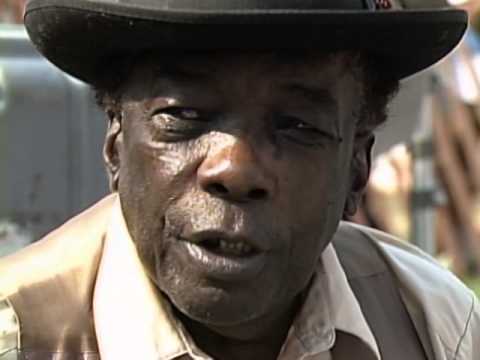
John Lee Hooker
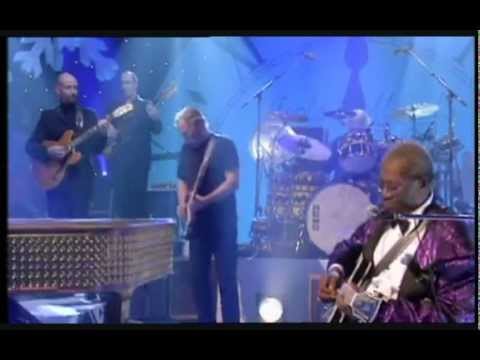
David Gilmour, B.B. King, BB King
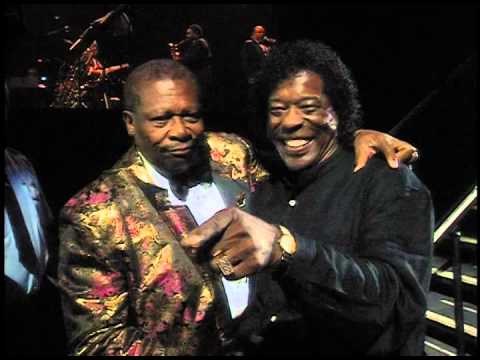
B.B. King, BB King
![Thumbnail for BB King - Interview [CNBC 1991] by BB King](https://img.youtube.com/vi/M2Cmlr7N0pQ/hqdefault.jpg)
BB King

Cream