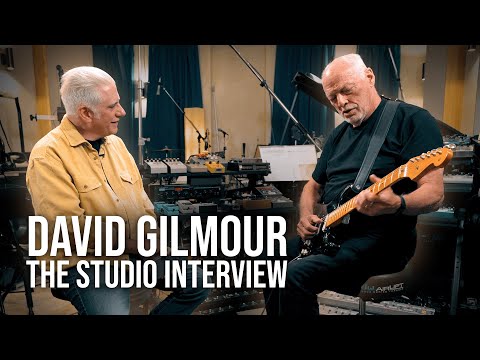
David Gilmour — Rare Footage & Clips
David Gilmour's storied career as a guitarist, singer, and songwriter has left an indelible mark on the music landscape. As one of the most influential musicians of his generation, Gilmour's contributions to Pink Floyd's groundbreaking sound are still widely revered today. With a career spanning over six decades, Gilmour's impact on rock music is multifaceted, and his legacy continues to inspire new generations of artists.
One of the earliest glimpses into Gilmour's remarkable talent can be seen in the 1978 solo album, simply titled "David Gilmour". This self-titled debut marked a significant departure from Pink Floyd's signature sound, showcasing Gilmour's ability to craft melodic and introspective songs. The album's lead single, "There's No One There", is a hauntingly beautiful ballad that highlights Gilmour's soaring vocals and masterful guitar work.
Fast-forward to the 1980s, and Gilmour's solo career was in full swing. The 1984 album "About Face" saw the guitarist exploring new sonic territories, incorporating elements of pop and rock into his sound. This period also marked a notable shift in Gilmour's approach to songwriting, as he began to take on more creative control, both musically and lyrically.
A testament to Gilmour's innovative spirit can be found in the 1984 concert film "Muziekcentrum Vredenburg, Utrecht, Netherlands", which captures a pivotal moment in his solo career. This live performance showcases Gilmour's ability to seamlessly blend studio recordings with improvisational flair, creating an electrifying experience for both the audience and the musicians on stage.
Gilmour's tenure as Pink Floyd's lead guitarist has been extensively documented throughout their storied history. One of the most significant moments in their discography is undoubtedly "The Division Bell", released in 1994. This album marked a triumphant return to form for the band, with Gilmour's guitar work and vocals taking center stage. The songwriting duo of Gilmour and Roger Waters had long since become one of the most formidable partnerships in rock music.
When Waters departed Pink Floyd in 1985, many wondered if the band would ever recover from the loss. However, under Gilmour's leadership, they continued to produce innovative and critically acclaimed albums, including "A Momentary Lapse of Reason" (1987) and "The Endless River" (2014). These works not only cemented Pink Floyd's status as one of the greatest rock bands of all time but also solidified Gilmour's reputation as a masterful songwriter and guitarist.
Gilmour's influence extends far beyond his work with Pink Floyd. As a producer, he has played a pivotal role in shaping the careers of several notable artists, including the Dream Academy and Kate Bush. His support for emerging talent is a testament to his commitment to nurturing new voices within the music industry.
Throughout his illustrious career, Gilmour has received numerous accolades, including three number-one solo albums on the UK Albums Chart and six with Pink Floyd. In 1996, he was inducted into the US Rock and Roll Hall of Fame as a member of Pink Floyd, followed by induction into the UK Music Hall of Fame in 2005.
In recent years, Gilmour has continued to push the boundaries of his artistry. The 2015 album "Rattle That Lock" saw him exploring new sonic landscapes, incorporating elements of world music and jazz into his sound. This period also marked a renewed focus on live performance, with Gilmour embarking on several high-profile tours.
As we delve deeper into David Gilmour's remarkable discography, one thing becomes clear: his impact on rock music is immeasurable. From the early days of Pink Floyd to his solo career and beyond, Gilmour has consistently pushed the boundaries of what is possible within the genre. His legacy serves as a reminder that true artistry knows no bounds, and that even after decades in the spotlight, there remains room for growth, exploration, and innovation.
The significance of David Gilmour's contributions to music history cannot be overstated. As we explore his extensive catalog, it becomes apparent that his influence extends far beyond his own work. He has inspired countless musicians, producers, and artists, leaving an indelible mark on the very fabric of rock music.
Curated from public records and music databases.



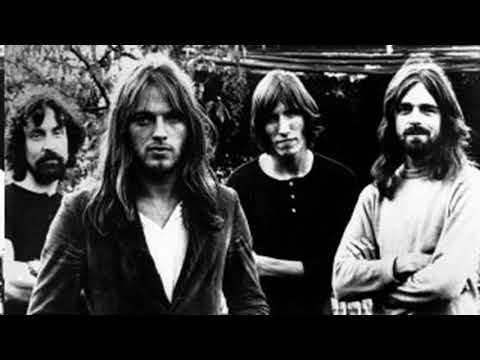



![Thumbnail for David Gilmour - Between Two Points (with Romany Gilmour) [Tour Rehearsal] by David Gilmour](https://img.youtube.com/vi/o_QTaUuU8F4/hqdefault.jpg)
![Thumbnail for David Gilmour - Breathe (In The Air)/Time [Tour Rehearsal] by David Gilmour](https://img.youtube.com/vi/E3sP6AXKuYg/hqdefault.jpg)