Watch Footage from the Psychology Experiment That Shocked the World: Milgram’s Obedience Study (1961)
Cream
1960sDocumentaryInterview
Rare blues footage from the 1960s — interviews, studio sessions, and behind-the-scenes clips. Browse 47 clips below.
The 1960s was a transformative decade for music, and blues was no exception. As the genre continued to evolve, it absorbed influences from various styles, from jazz to rock and roll, while maintaining its unique essence. The blues form, characterized by the call-and-response pattern, the blues scale, and specific chord progressions, remained a cornerstone of American musical heritage.
In the 1960s, blues musicians began to experiment with new sounds and techniques, pushing the boundaries of the genre. Artists like Howlin' Wolf, Muddy Waters, and B.B. King continued to refine their craft, while younger musicians like Eric Clapton and Jeff Beck drew inspiration from the blues tradition. The decade saw a surge in popularity for blues-infused rock music, with bands like The Rolling Stones and The Animals incorporating blues elements into their sound.
The 1960s was also a time of great social change, and the blues reflected this shift. Artists began to address issues like racism, inequality, and social justice in their music, giving voice to the struggles of African Americans. This new wave of socially conscious blues helped to revitalize the genre, attracting a younger audience and paving the way for future generations of musicians.
Behind the scenes, studios like Chess Records and Stax were hubs of creative activity, with producers like Sam Phillips and Jim Stewart guiding the careers of legendary artists. The 1960s saw the rise of iconic recording studios like Muscle Shoals and Sun Studio, where some of the most influential blues and rock music was recorded.
The decade's musical innovations extended beyond the studio to live performances. Concert films like "Gimme Shelter" (1970) and "Monterey Pop" (1968) captured the energy and excitement of live blues and rock music, while documentaries like D.A. Pennebaker's "Don't Look Back" (1967) offered a behind-the-scenes look at the making of music.
The 17 clips in our archive for Blues in the 1960s offer a glimpse into this pivotal moment in musical history. From intimate performances by legendary artists to studio sessions and concert footage, these films provide a unique perspective on the evolution of blues during this transformative decade.
One clip shows Muddy Waters performing "Hoochie Coochie Man" at the Newport Jazz Festival in 1964, highlighting his mastery of the blues form. Another features Eric Clapton and Jeff Beck jamming with Howlin' Wolf at the London Blues and Soul Club in 1966, showcasing their respect for the blues tradition.
These films also offer a window into the creative process, with clips like "The Making of 'Blowin' in the Wind'" (1963) providing insight into Bob Dylan's songwriting process. Other footage captures the excitement of live performances, such as The Rolling Stones playing at the Chicago Blues Festival in 1964.
Our archive is a treasure trove of rare and previously unseen footage, offering a unique perspective on the evolution of blues during this pivotal decade. Whether you're a seasoned music historian or simply a fan of the genre, these clips are sure to captivate and inspire.
Curated from public records and music databases.
The 1960s was a decade of relentless musical innovation. The British Invasion, psychedelia, Motown, folk protest, and the birth of heavy rock all collided. The Beatles, Rolling Stones, Jimi Hendrix, Bob Dylan, and James Brown were redefining what popular music could be. Behind the scenes, studios like Abbey Road, Muscle Shoals, and Stax were laboratories of sound. This decade produced some of the most fascinating behind-the-scenes footage ever captured — from D.A. Pennebaker’s fly-on-the-wall documentaries to the Maysles brothers’ concert films.
Blues is a music genre and musical form that originated among African Americans in the Deep South of the United States around the 1860s. Blues has incorporated spirituals, work songs, field hollers, shouts, chants, and rhymed simple narrative ballads from the African-American culture. The blues form is ubiquitous in jazz, rhythm and blues, and rock and roll, and is characterized by the call-and-response pattern, the blues scale, and specific chord progressions, of which the twelve-bar blues is ...
All Bluesfootage →Cream
 2:42
2:42Sine, John Young, James Cotton, Muddy Waters, Jimmy Dawkins, Otis Spann
 4:59
4:59Howlin' Wolf, R.E.M., Head, Luther Allison, Iration, Junior Wells, L.V. Banks, Freddie King, Ween, soo, Buddy Guy, Lil' Ed Williams, Koko Taylor, Muddy Waters, Jimi Hendrix, Hound Dog Taylor, Cher, Sting
![Thumbnail for THE 2ND COMING – Evaluations (1969) | Lost Southern Psychedelic Rock [Full Album] by Reese Wynans, R.E.M., The Band, Dickey Betts, The Allman Brothers Band, Duane Allman, Jam session, Lucinda Williams, Cream, Stevie Ray Vaughan, Captain Beyond, Iron Butterfly](https://img.youtube.com/vi/uFwsKteM3zQ/hqdefault.jpg) 1:00:08
1:00:08Reese Wynans, R.E.M., The Band, Dickey Betts, The Allman Brothers Band, Duane Allman, Jam session, Lucinda Williams, Cream, Stevie Ray Vaughan, Captain Beyond, Iron Butterfly
 3:55
3:55Eric Clapton, Paul McCartney, Jimmy James, Cream, The Amps, soo, NME, Jimi Hendrix, John Lennon
 3:11
3:11The Chambers Brothers, Eric Clapton, Wilson Pickett, Linda Ronstadt, Johnny Winter, James Brown, The Sound, Vanilla Fudge, The Rolling Stones, Joe Perry, The Temptations, The Four Tops, Derek Trucks, Ronnie Spector, Joni Mitchell, The Beatles, Janis Joplin, The Ronettes, Diana Ross, Cream, Joe Cocker, The Who, Carole King, Keb' Mo', Mitch Ryder, The Doors, Joan Jett, Jimi Hendrix, Susan Tedeschi, Elton John, Tower of Power, Stephen Stills, Rolling Stones, Van Morrison, Grateful Dead
 3:02
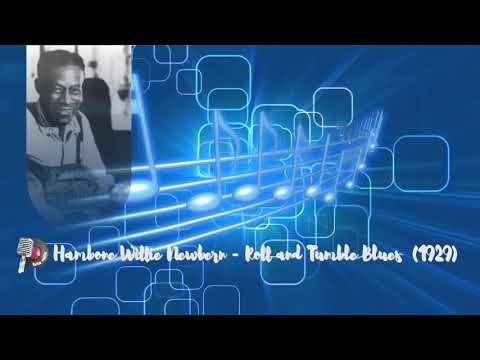
3:02Cream, Gus Cannon, Muddy Waters, Hambone Willie Newbern
 4:32
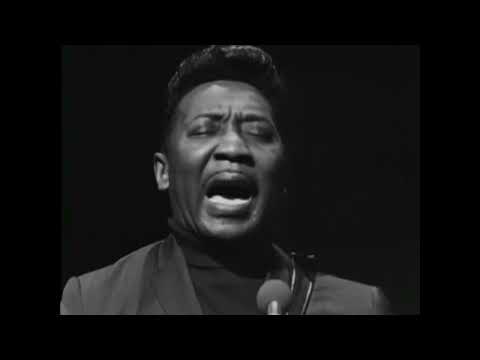
4:32Muddy Waters, Otis Spann, Cher
 3:09
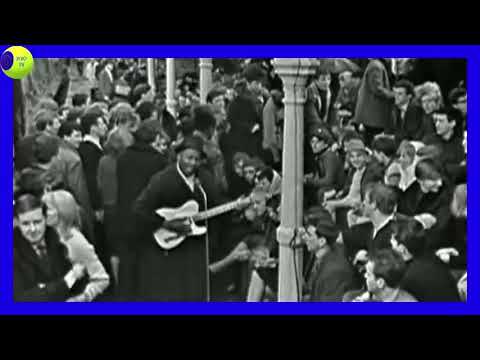
3:09Muddy Waters
 3:44
3:44Eric Clapton, Wilson Pickett, Della Reese, Beck, John Mayer, Mack Rice, The Rolling Stones, Keith Richards, Junior Wells, Jimmy Page, John Lee Hooker, Buddy Guy, Stevie Ray Vaughan, Muddy Waters, Jimi Hendrix, Rolling Stones, Jeff Beck
 3:47
3:47Eric Clapton, Frank Zappa, The Rolling Stones, Elvis Presley, Fleetwood Mac, Joni Mitchell, James Taylor, Tom Petty, John Legend, Rolling Stones, Jeff Beck, Sting
 1:50:23
Janis Joplin, The Who, Music festival, Jimi Hendrix
![Thumbnail for Janis Joplin - Easy Once You Know How [Studio Outtake, Mar 1968] by Janis Joplin](https://img.youtube.com/vi/xxZv890U4wo/hqdefault.jpg) 4:03
4:03Janis Joplin
 2:01
2:01The Sound, R.E.M., The Rolling Stones, Clifton Chenier, Cream, Rolling Stones
 7:29
7:29B.B. King, BB King
 4:36
4:36The Sound, R.E.M., Head, The Rolling Stones, Keith Richards, Charlie Watts, Cream, Mick Jagger, Rolling Stones, Brian Jones, Nicky Hopkins
 4:40
4:40Head, The Rolling Stones, Keith Richards, Charlie Watts, Cream, Mick Jagger, Rolling Stones, Brian Jones, Nicky Hopkins
 2:57
2:57Eddy, Floyd Cramer, The Sound, Charly McClain, R.E.M., Louis Armstrong, Sine, Charlie Rich, Faron Young, NWA, Etta James, Ween, Conway Twitty, Del Reeves, Stoney Cooper, Ride, Wilma Lee, Charlie McCoy, Record producer, Dottie West
![Thumbnail for The Rolling Stones, Charlie is my Darling - Ireland 1965 [Official Teaser] by The Rolling Stones, The Band, Cream, The La's, Rolling Stones, Y&T](https://img.youtube.com/vi/KsR0w-uM59Y/hqdefault.jpg) 0:22
0:22The Rolling Stones, The Band, Cream, The La's, Rolling Stones, Y&T
 3:01
3:01Wilson Pickett, Otis Redding, Eddie Floyd, Mack Rice, Rufus Thomas, The Temptations, Stew, The Four Tops, Janis Joplin, Steve Cropper, David Bowie, Johnnie Taylor, Songwriter, Y&T
 7:46
7:46Cream
 1:31
1:31The Contours, Freda Payne, The Temptations, The Funk Brothers, The Four Tops, Etta James, Ed King, Prince, Music industry, Harold Melvin, James Jamerson, Jazz band, Detroit blues, Thornetta Davis, Melvins, Eddie Willis, Songwriter, Y&T
 2:30
2:30The Staple Singers, R.E.M., Otis Redding, The Four Tops, Jerry Lee Lewis, The Byrds, John Lee Hooker, The Bar-Kays, Isaac Hayes
 2:45
2:45The Staple Singers, R.E.M., Otis Redding, The Four Tops, Jerry Lee Lewis, The Byrds, John Lee Hooker, The Bar-Kays, Isaac Hayes
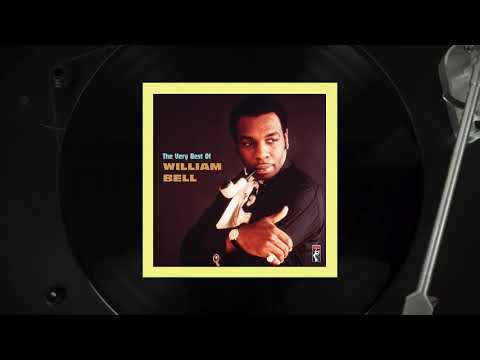 2:53
2:53The Staple Singers, R.E.M., Otis Redding, The Four Tops, Jerry Lee Lewis, The Byrds, John Lee Hooker, The Bar-Kays, Isaac Hayes
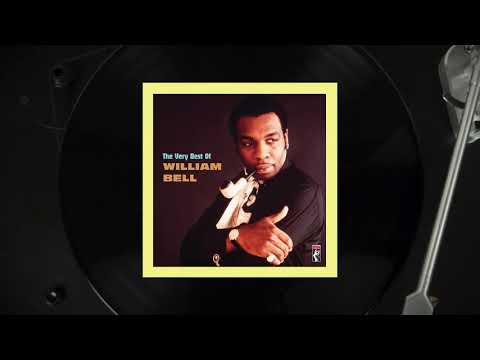 3:01
3:01The Staple Singers, R.E.M., Otis Redding, The Four Tops, Jerry Lee Lewis, The Byrds, John Lee Hooker, The Bar-Kays, Isaac Hayes
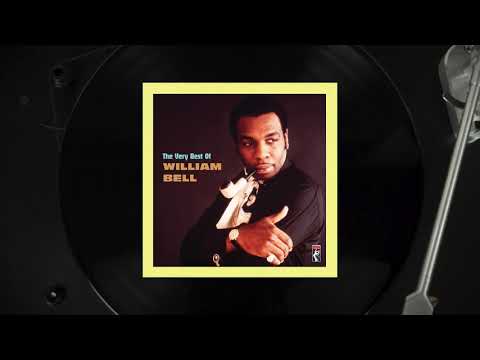 2:51
2:51The Staple Singers, R.E.M., Otis Redding, The Four Tops, Jerry Lee Lewis, The Byrds, John Lee Hooker, The Bar-Kays, Isaac Hayes
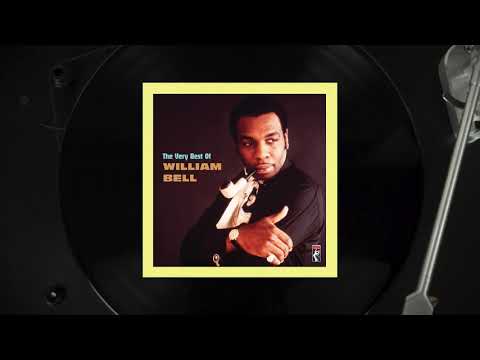 2:38
2:38The Staple Singers, R.E.M., Otis Redding, The Four Tops, Jerry Lee Lewis, The Byrds, John Lee Hooker, The Bar-Kays, Isaac Hayes
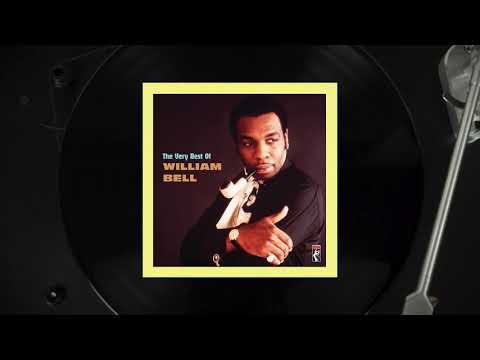 3:58
3:58The Staple Singers, R.E.M., Otis Redding, The Four Tops, Jerry Lee Lewis, The Byrds, John Lee Hooker, The Bar-Kays, Isaac Hayes
![Thumbnail for Big Mama Thornton - 'Hound Dog' live [Colourised] 1965 by Johnny Otis, Memphis Minnie, Big Mama Thornton, Muddy Waters, Lightnin' Hopkins, Johnny Ace, Songwriter, Junior Parker](https://img.youtube.com/vi/V1zxsWXK4LY/hqdefault.jpg) 2:35
2:35Johnny Otis, Memphis Minnie, Big Mama Thornton, Muddy Waters, Lightnin' Hopkins, Johnny Ace, Songwriter, Junior Parker
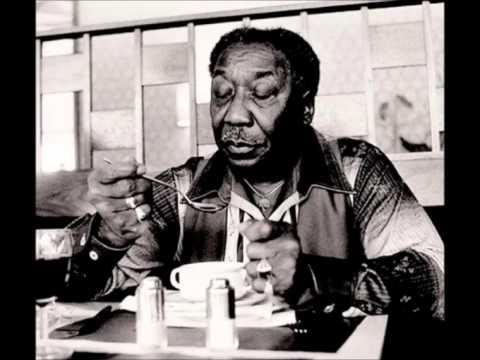 8:15
8:15Muddy Waters
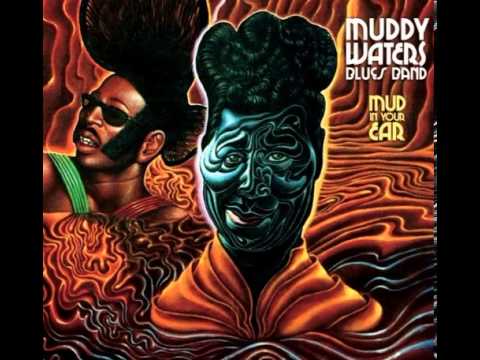 0:41
0:41Sammy Lawhorn, Muddy Waters
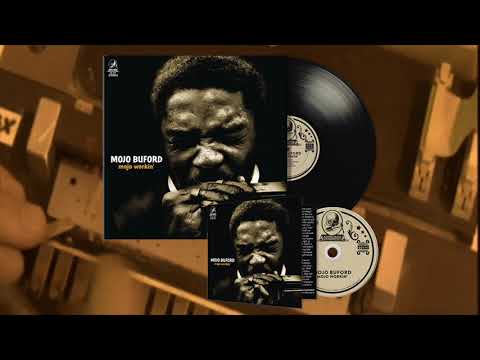 2:52
2:52Willie Dixon, Sonny Boy Williamson I, Muddy Waters, Otis Spann, Sonny Boy Williamson II, Sting
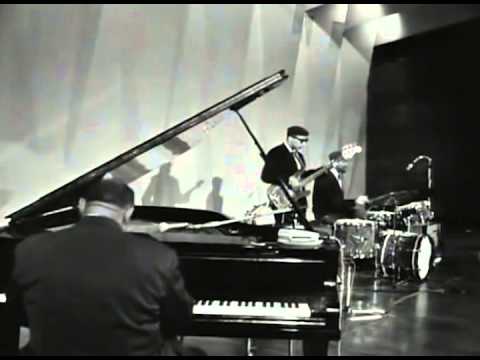 10:56
10:56Sleepy John Estes, Roosevelt Sykes, Willie Dixon, Memphis Slim, Matt "Guitar" Murphy, Louisiana Red, Otis Rush, T-Bone Walker, Little Brother Montgomery, Victoria Spivey, Magic Sam, Koko Taylor, Sonny Terry, Muddy Waters, Lightnin' Hopkins, Music festival, Sippie Wallace, Son House, Mick Jagger, Skip James, Little Walter, Otis Spann
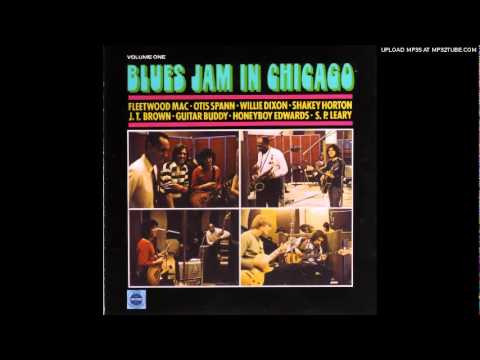 5:02
5:02R.E.M., Peter Green, Fleetwood Mac, Mick Fleetwood, Muddy Waters
 8:51
8:51Lurrie Bell, Muddy Waters
 0:33Advisory
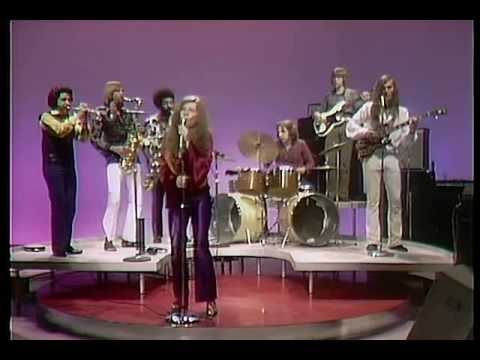
Janis Joplin
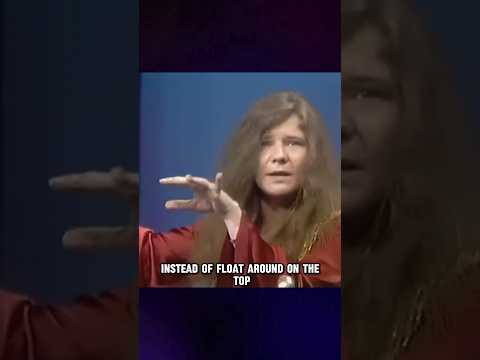 1:00Advisory
Janis Joplin
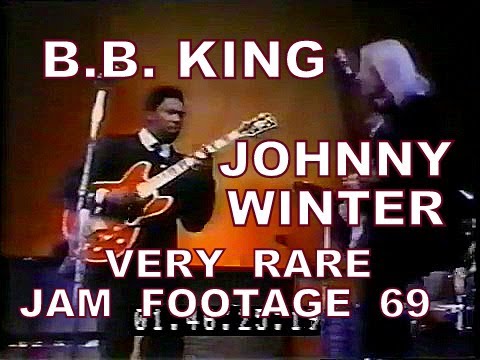
B.B. King, BB King
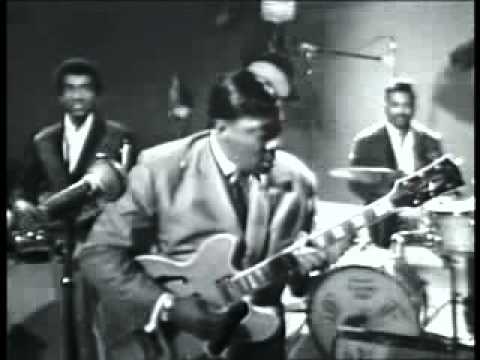
BB King
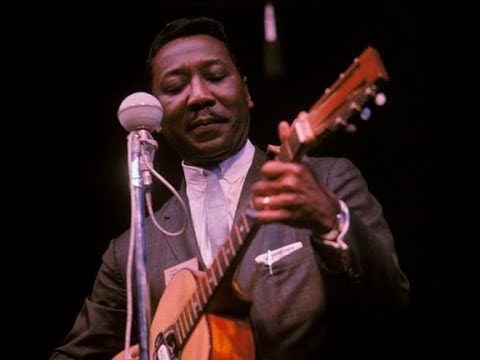
Muddy Waters
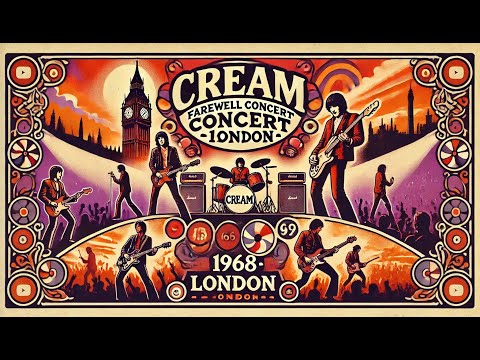
Cream
Cream
 Advisory
Janis Joplin
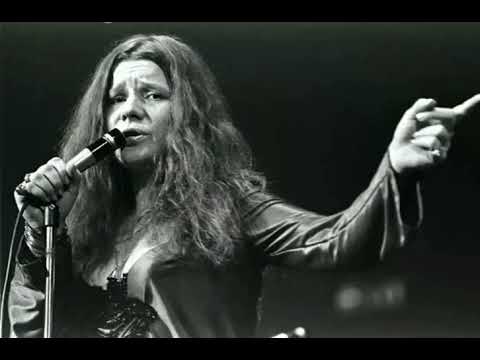
Janis Joplin
 Advisory
Janis Joplin
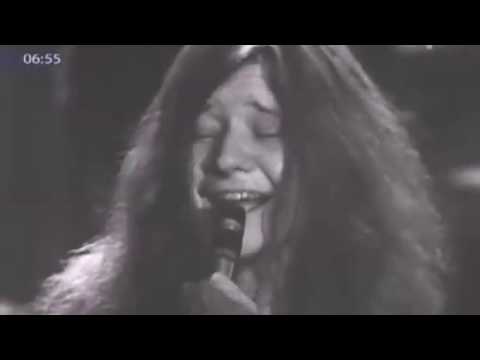
Janis Joplin