Big Mama Thornton — Rare Footage & Clips
Big Mama Thornton: A Pioneering Voice in American Music History
In the pantheon of blues legends, few names shine as brightly as Big Mama Thornton's. Born Wilma Reid on December 11th, 1926, in Ariton, Alabama, this trailblazing vocalist left an indelible mark on the music landscape. Through her powerful voice and unapologetic stage presence, she paved the way for generations of artists to come.
One of seven children born to a Baptist church minister, Thornton's musical talents were evident from an early age. At just fourteen years old, she began singing and touring with the Georgia Hot Harlem Revue, honing her craft in the rich musical heritage of the American South. It was during this formative period that she developed not only her vocal prowess but also her skills as a multi-instrumentalist, playing drums and harmonica alongside her duties as lead singer.
Thornton's professional music career took off in 1951 when she signed with Peacock Records in Houston. This marked the beginning of an illustrious partnership with the label, which would yield some of her most iconic recordings. Among these was "Hound Dog," a song that would catapult Thornton to stardom and cement her status as a blues icon. Released on Peacock 1612, "Hound Dog" reached Number 1 on the Billboard R&B chart in 1953, selling an impressive two million copies.
The significance of "Hound Dog" cannot be overstated. Not only did it showcase Thornton's remarkable vocal range and emotional depth but also its influence can still be felt today. As one of the first recorded versions of this song, it set a standard for future interpretations by artists such as Elvis Presley, who would later popularize the tune in 1956.
Thornton's connection to "Hound Dog" extends beyond her recording of the song. Her association with Peacock Records also led to the release of "They Call Me Big Mama," which further solidified her nickname within the world of funky gospel and R&B music. This moniker, bestowed upon her by fans and critics alike, would become an integral part of her enduring legacy.
Throughout her career, Thornton continued to push boundaries and defy expectations. She wrote and recorded numerous blues classics, including "Ball And Chain," which drew the attention of Janis Joplin in the late 1960s. This song's impact on the younger artist was significant, as it inspired Joplin to explore the blues genre further.
Thornton's influence extends beyond her own music, too. Her performances at iconic festivals like the Monterey Jazz Festival (in both 1966 and 1968) and the San Francisco Blues Festival (in 1979) helped to introduce her unique style to new audiences. These appearances not only solidified her status as a blues legend but also paved the way for future generations of female artists.
In addition to her live performances, Thornton's studio work remains an essential part of her legacy. Her collaboration with The Chicago Blues Band on the 1966 album "Big Mama Thornton With The Chicago Blues Band" (released on the Arhoolie label) is a testament to her ability to adapt and innovate within different musical contexts.
Thornton's remarkable career spanned nearly six decades, during which she wrote an impressive twenty-two blues releases. Her dedication to her craft was unwavering, even in the face of personal struggles. Complications from heart and liver disease, exacerbated by years of alcohol abuse, ultimately led to her passing on July 25th, 1984, in Los Angeles.
In a poignant tribute to her enduring impact, Thornton was posthumously inducted into the Blues Foundation Hall Of Fame in 1984 – the same year she left this world behind. Her legacy continues to inspire and influence artists today, ensuring that her voice remains an integral part of American music history.
The DeepCutsArchive is honored to present a comprehensive collection of Big Mama Thornton's rare footage, offering a glimpse into the life and career of this trailblazing artist. Through these intimate performances and behind-the-scenes glimpses, we invite you to experience the raw emotion and unbridled energy that defined her live shows.
In the following pages, we will delve deeper into Thornton's remarkable story, exploring the significance of her music within the broader context of American blues history. From her early days as a teenager touring with the Georgia Hot Harlem Revue to her later years as a celebrated artist inducted into the Blues Foundation Hall Of Fame, Big Mama Thornton's life and career are a testament to her unwavering dedication to her craft.
Join us on this journey through the archives, as we celebrate the enduring legacy of Big Mama Thornton – a true pioneer in American music history.
Curated from public records and music databases.
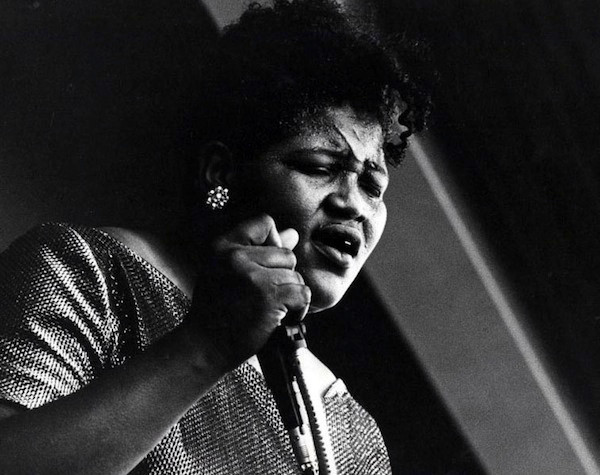
![Thumbnail for Buddy Guy and Big Mama Thornton • “Ball And Chain” • 1970 [Reelin' In The Years Archive] by Taylor Swift, R.E.M., L.A.B., Ween, VAST, The Beatles, Big Mama Thornton, Concert, Buddy Guy, The La's, Cher](https://img.youtube.com/vi/-Otvhv4bmGw/hqdefault.jpg)
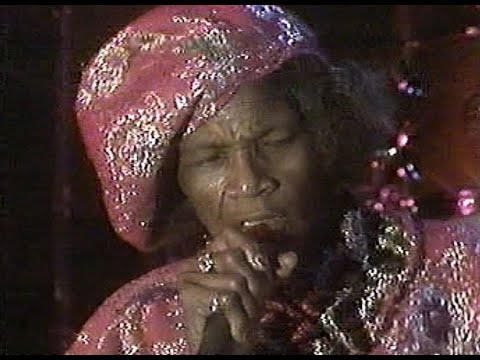
![Thumbnail for Big Mama Thornton - 'Hound Dog' live [Colourised] 1965 by Johnny Otis, Memphis Minnie, Big Mama Thornton, Muddy Waters, Lightnin' Hopkins, Johnny Ace, Songwriter, Junior Parker](https://img.youtube.com/vi/V1zxsWXK4LY/hqdefault.jpg)