 1:35:35
Cake Full Performance live @ Paris - Pleyel- 19/10/2019
Rick James, Frank Sinatra, Black Sabbath
2010sRareLive
Heavy metal is a genre of rock music that developed in the late 1960s and early 1970s, largely in the United Kingdom and United States. With roots in blues rock, psychedelic rock and acid rock, heavy metal bands developed a thick, monumental sound characterized by distorted guitars, extended guitar solos, emphatic beats and loudness.
Learn more on Wikipedia →The Metal genre page in our curated archive is a treasure trove of sonic excess, a testament to the unbridled energy and creativity that defined this iconic style of rock music. Heavy metal, as it came to be known, burst forth in the late 1960s and early 1970s, largely in the United Kingdom and United States, leaving an indelible mark on the musical landscape.
At its core, heavy metal is a genre born from the fusion of blues rock, psychedelic rock, and acid rock. The sound that emerged was thick, monumental, characterized by distorted guitars, extended guitar solos, emphatic beats, and an unapologetic loudness that defied convention. This sonic assault on the senses was not without its pioneers, three British bands in particular – Led Zeppelin, Black Sabbath, and Deep Purple – laid the groundwork for what would become a global phenomenon.
In 1968, these trailblazers emerged, each with their unique take on the burgeoning metal sound. While they would eventually attract wide audiences, they were initially met with skepticism by critics. The likes of Led Zeppelin, with their fusion of blues and folk influences, Black Sabbath's dark and doomy soundscapes, and Deep Purple's virtuosic guitar work, pushed the boundaries of what was considered acceptable in rock music.
The 1970s saw a proliferation of metal bands, each contributing to the genre's evolution. In the United States, Alice Cooper and Kiss brought a raw, sleazy sound and shock rock sensibility that would influence generations of musicians to come. Aerosmith's blues-rooted rock added depth and nuance, while Van Halen's flashy guitar leads and party rock anthems cemented their status as one of the most popular metal bands of all time.
Meanwhile, Judas Priest helped spur the genre's evolution by discarding much of its blues influence, paving the way for a more aggressive, faster-paced sound. Motörhead, with their punk rock sensibility and increasing emphasis on speed, further accelerated this trend. By the late 1970s, bands like Iron Maiden and Saxon emerged from the new wave of British heavy metal scene, following in a similar vein.
The significance of these early metal bands cannot be overstated. They not only helped shape the sound of the genre but also created a devoted fan base, known as "metalheads." These fans were drawn to the music's raw energy, its unbridled aggression, and its willingness to push the boundaries of what was considered acceptable in rock music.
The rare footage in our archive offers a unique glimpse into this pivotal moment in metal history. Witness the early performances of these pioneering bands, their sweat-drenched stage presence, and their unwavering commitment to their art. See the raw energy of Alice Cooper's live shows, the virtuosity of Van Halen's guitar work, and the unbridled aggression of Motörhead's punk-infused metal.
The Metal genre page in our archive is not just a collection of rare footage; it's an immersive experience that transports viewers into the heart of this iconic style of rock music. It's a testament to the power of creativity, the importance of pushing boundaries, and the enduring legacy of these pioneering bands.
One of the most fascinating aspects of metal's early history is its relationship with other genres. As we mentioned earlier, heavy metal emerged from the fusion of blues rock, psychedelic rock, and acid rock. This blend of influences not only shaped the sound but also created a sense of community among musicians. The likes of Led Zeppelin, Black Sabbath, and Deep Purple drew inspiration from blues legends like Robert Johnson and Muddy Waters, while also incorporating elements of psychedelia and acid rock.
This eclecticism is evident in the music itself, with bands often experimenting with different styles and influences. For example, Led Zeppelin's "Kashmir" features a hypnotic guitar riff inspired by Indian classical music, while Black Sabbath's "Iron Man" incorporates a haunting melody reminiscent of medieval folk music. This willingness to explore new sounds and ideas helped shape the genre and paved the way for future innovations.
The Metal genre page also highlights the importance of individual musicians within these bands. Take, for instance, Ozzy Osbourne, whose unique vocal style and charismatic stage presence helped define Black Sabbath's sound. Or consider Iron Maiden's Bruce Dickinson, whose powerful vocals and poetic lyrics added depth and nuance to their music.
These individuals not only contributed to the music but also played a significant role in shaping the genre as a whole. Their influence can be seen in subsequent metal bands, who drew inspiration from their work and built upon it. The likes of Metallica, with their aggressive sound and introspective lyrics, owe a debt to these pioneers, just as they themselves would go on to influence future generations of musicians.
In conclusion, the Metal genre page in our archive is a treasure trove of sonic excess, a testament to the unbridled energy and creativity that defined this iconic style of rock music. Through rare footage, we gain a unique glimpse into metal's early history, its relationship with other genres, and the individual contributions of its pioneers. This is not just a collection of rare footage; it's an immersive experience that transports viewers into the heart of this iconic genre.
Curated from public records and music databases.
Heavy metal (or simply metal) is a genre of rock music that developed in the late 1960s and early 1970s, largely in the United Kingdom and United States. With roots in blues rock, psychedelic rock and acid rock, heavy metal bands developed a thick, monumental sound characterized by distorted guitars, extended guitar solos, emphatic beats and loudness. In 1968, three of the genre's most famous pioneers – British bands Led Zeppelin, Black Sabbath and Deep Purple – were founded. Though they came to attract wide audiences, they were often derided by critics. Several American bands modified heavy metal into more accessible forms during the 1970s: the raw, sleazy sound and shock rock of Alice Cooper and Kiss; the blues-rooted rock of Aerosmith; and the flashy guitar leads and party rock of Van Halen. During the mid-1970s, Judas Priest helped spur the genre's evolution by discarding much of its blues influence, while Motörhead introduced a punk rock sensibility and an increasing emphasis on speed. Beginning in the late 1970s, bands in the new wave of British heavy metal such as Iron Maiden and Saxon followed in a similar vein. By the end of the decade, heavy metal fans became known as "metalheads...
1:35:35Rick James, Frank Sinatra, Black Sabbath
 57:08
57:08The Flaming Lips, Sammy Hagar, Rocket from the Crypt, The Jesus and Mary Chain, Stone Temple Pilots, Nick Cave, Rick James, Midnight, R.E.M., Weezer, Snow Patrol, Oasis, Metallica, The Hives, Iggy Pop, Guns N Roses, Sublime (band), The Offspring, Blink-182, Foo Fighters, Mudvayne, Jimmy Eat World, Siouxsie Sioux, Frank Sinatra, Concert, Porno for Pyros, Frida, Marky Ramone, Morrissey, Dinosaur Jr., Judas Priest, Megadeth, Sugar Ray, Iron Maiden, Van Halen, The Psychedelic Furs, The Pretenders, Y&T, Sting
 4:42
4:42Ray Thomas, Metallica
![Thumbnail for Ozzy Osbourne • Shot In The Dark • 1986 [Reelin' In The Years Archive] by Ozzy Osbourne](https://img.youtube.com/vi/3epxGjqjmc8/hqdefault.jpg)
Ozzy Osbourne
 5:22
5:22Deep Purple, The Band, Ween, Iron Maiden
 3:58
3:58N.E.R.D, Sammy Hagar, J.O.E., Eddy, Korn, Midnight, Head, Metallica, Iration, Ride, Godsmack, Concert, NME, Michael Anthony, Diego, Songwriter, Black Sabbath, Cher, Y&T
 4:52
4:52Frank Marino, The Band, Led Zeppelin, Gary Moore, Stevie Ray Vaughan, Whitesnake, Black Sabbath
 2:19
2:19Metallica, Jason Newsted
 0:30
0:30Ozzy Osbourne
 5:58
5:58L.A.B., Ozzy Osbourne, Y&T
 4:18
4:18Ozzy Osbourne
 8:11
8:11Ozzy Osbourne
 5:33
5:33Ozzy Osbourne
 8:41
8:41Ozzy Osbourne
 59:08
59:08The D.O.C., R.E.M., Head, Ozzy Osbourne, The La's
 1:26:04
R.E.M., T.O.K., Ozzy Osbourne, soo, Mae, Black Sabbath, Y&T, Sting
 0:20
0:20Ozzy Osbourne
 1:33
1:33R.E.M., T.O.K., Ozzy Osbourne, NME, Y&T, Sting
 30:34
30:34R.E.M., Ozzy Osbourne, Prince, The Beatles, Black Sabbath, Y&T
 2:52
2:52Slayer, Ozzy Osbourne, Jane's Addiction, Megadeth, Napalm Death, Pantera
Ozzy Osbourne
 0:50
0:50The Sound, Black Sabbath

Ozzy Osbourne
 14:09
14:09L.A.B., Head, Depeche Mode, The Band, Kathryn Tickell, Ride, Gary Moore, Steeleye Span, Judas Priest, Black Sabbath, Thin Lizzy
 4:43
4:43Metallica, Iggy Pop, The Stooges
 10:00
10:00Nine Inch Nails, Slayer, Ratt, Dave Grohl, Metallica, Red Hot Chili Peppers, Neil Young, Steve Morse, Tom Petty, Y&T, Nirvana
 0:39
0:39Metallica
 2:20
2:20Eddy, Head, Steve Harris, Iron Maiden, Y&T
 4:53
4:53Midnight, Janick Gers, Grupo, Iron Maiden, Bruce Dickinson
 2:24
2:24Midnight, Janick Gers, Ian Gillan, Iron Maiden, Bruce Dickinson, Y&T
 7:23
7:23Queen, Iron Maiden
 0:14
0:14Metallica
 3:27Advisory
L.A.B., let i, The Band, Iron Maiden, Y&T
Metallica
 0:53
0:53Metallica
 1:31
1:31Metallica, Ween
 0:31
0:31Head, Ozzy Osbourne, Ween, NME, Nirvana
 3:40Advisory
Nickelback, Deep Purple, Taylor Swift, Japanese metal, Limp Bizkit, Slayer, L.A.B., Head, The Rolling Stones, Tony Iommi, Lady Gaga, Metallica, S-K-O, Ozzy Osbourne, Nightwish, Def Leppard, Guns N Roses, Eminem, Ween, The pink floyd, Metal Church, Burns, Katy Perry, Linkin Park, Nicki Minaj, Led Zeppelin, Cream, Green Day, Pink Floyd, Concert, Frida, Justin Bieber, Michael Jackson, Sepultura, Christian metal, Judas Priest, Manowar, Ronnie James Dio, Megadeth, Pantera, Rolling Stones, Iron Maiden, Van Halen, Lil Wayne, Black Sabbath, System of a Down, Nirvana, Sting
![Thumbnail for Metallica - Orion + To live is to die + Call of Ktulu.flv [Live with Jason Newsted!] by Metallica, Jason Newsted](https://img.youtube.com/vi/cyEqtiamfYc/hqdefault.jpg) 6:46
6:46Metallica, Jason Newsted
 3:06Advisory
Tony Iommi, ENTRE, Black Sabbath
 4:24
4:24The La's, Black Sabbath
 34:29
34:29J.O.E., Black Sabbath
 9:38
9:38Stone Temple Pilots, Metallica, Cage the Elephant, The Beatles, Black Sabbath
 1:28
1:28Iron Maiden
 1:00
1:00Ozzy Osbourne
 55:31
55:31arizona, Metallica, Revis, Jason Newsted, P.O.D., Megadeth
 6:59
6:59Metallica, soo
 6:02
6:02Deep Purple, R.E.M., Queen, Tony Iommi, Brian May, Roger Taylor, David Gilmour, The pink floyd, Bryan Adams, Kerrang!, Pink Floyd, Ian Gillan, Iron Maiden, Ryan Adams, Ritchie Blackmore, Bruce Dickinson, Black Sabbath
 1:57
1:57Deep Purple, Iron Maiden
 7:02
7:02Ozzy Osbourne, Rudy Sarzo, Whitesnake, Quiet Riot
![Thumbnail for Dimmu Borgir In The Studio [HD] by danzi, Korn, Limp Bizkit, Slayer, R.E.M., Head, Dimmu Borgir, Metallica, S-K-O, Rammstein, The Band, Katatonia, Mudvayne, Deftones, Sepultura, Judas Priest, Melvins, Megadeth, Napalm Death, Pantera, Iron Maiden, danzig, Krisiun, Cradle of Filth, Black Sabbath, System of a Down](https://img.youtube.com/vi/sFtnb_g-Lak/hqdefault.jpg) 17:23
17:23danzi, Korn, Limp Bizkit, Slayer, R.E.M., Head, Dimmu Borgir, Metallica, S-K-O, Rammstein, The Band, Katatonia, Mudvayne, Deftones, Sepultura, Judas Priest, Melvins, Megadeth, Napalm Death, Pantera, Iron Maiden, danzig, Krisiun, Cradle of Filth, Black Sabbath, System of a Down
 11:08
11:08T.O.K., Metallica
 3:55
3:55Slayer, Head, Metallica, Robert Trujillo, Gary Holt, Paul Bostaph, Faith No More, Black Sabbath
 2:21
2:21Kirk Hammett, R.E.M., Metallica, The Band, Gary Holt
 7:31
7:31Kirk Hammett, Head, Metallica, The Band, Dave Mustaine, Gary Holt, Lee Altus, Paul Bostaph
 31:24
31:24Kirk Hammett, L.A.B., Head, Metallica, The Band, Ride, Concert, Dave Mustaine, Judas Priest, Gary Holt, Megadeth, Pantera, Iron Maiden, Thin Lizzy
 4:08
4:08Linda Ronstadt, the ramo, Duran Duran, R.E.M., L.A.B., John Coltrane, Ray Charles, the ram, Ramones, Curtis Mayfield, VAST, The Doors, the ramones, P.O.D., Van Halen, Edwin, Black Sabbath, Y&T, the ramone
 1:11
1:11Ozzy Osbourne
 5:12
5:12Nll, Queen, T.O.K., Metallica, The Band, New wave of British heavy metal, Live (band)
 0:15
0:15Head, Metallica, James Hetfield
 4:07
4:07Linda Ronstadt, the ramo, Duran Duran, L.A.B., John Coltrane, Ray Charles, the ram, Ramones, Curtis Mayfield, Madonna, VAST, The Doors, the ramones, P.O.D., Van Halen, Black Sabbath, Y&T, the ramone
 8:56
8:56Metallica, Lemmy
Metallica
 8:24
8:24Metallica
 23:19
23:19Kirk Hammett, R.E.M., L.A.B., Head, John Mayer, Metallica, NWA, Les Paul, Dave Mustaine, Frida, Y&T
 3:41Advisory
Magic!, Korn, Sine, Michelle Branch, Steve Vai, Metallica, Guns N Roses, Micheal, Luke, Reni, Kurt Cobain, Cradle of Filth, Y&T, Nirvana
 0:49
0:49Jake E. Lee, R.E.M., L.A.B., Frank Marino, T.O.K., Tony Iommi, Ozzy Osbourne, Jimmy Page, Eddie Van Halen, Les Paul, Brad Gillis, P.O.D., Pantera, Van Halen, Ritchie Blackmore, Chris Shiflett
Metallica
 0:50
0:50Slayer, R.E.M., Head, The Rolling Stones, Rolling Stones, Black Sabbath
 46:32
46:32Bonnie Raitt, J.O.E., Gordon Lightfoot, City and Colour, Slayer, Queens of the Stone Age, The Tragically Hip, Queen, Elvis Costello, Vampire Weekend, Slowdive, Blue Rodeo, Robert Plant, Metallica, James Hetfield, Red Hot Chili Peppers, The Kills, Neko Case, Ween, Ghostface Killah, Moby, Loretta Lynn, Dave Mustaine, Margo Price, Dinosaur Jr., Son House, Megadeth, Steve Earle, Maynard James Keenan, Dolly Parton, Y&T
 1:00
1:00Metallica, James Hetfield, Ween
 0:18
0:18Metallica, James Hetfield, Ween, Lars Ulrich
 1:06:51
Metallica, The Band, New wave of British heavy metal, Ween, Budgie
Metallica
 5:21
5:21Korn, Limp Bizkit, R.E.M., Metallica, Y&T
 0:32
0:32T.O.K., Metallica, Richard Shaw, S-K-O, Slash, The Who
 0:32
0:32T.O.K., Metallica, Richard Shaw, S-K-O
 2:35
2:35R.E.M., Metallica, Pearl Jam, Foo Fighters, Linkin Park, Willie Nelson, System of a Down, Y&T, Nirvana
 4:25
4:25R.E.M., Metallica, Def Leppard, Pearl Jam, Foo Fighters, Linkin Park, Shinedown, Megadeth, Willie Nelson, System of a Down, Y&T, Nirvana
 5:39
5:39R.E.M., Metallica, Def Leppard, Pearl Jam, Prince, Foo Fighters, Linkin Park, Shinedown, Megadeth, Willie Nelson, System of a Down, Y&T, Nirvana
 3:38
3:38R.E.M., Metallica, Pearl Jam, Foo Fighters, Linkin Park, Willie Nelson, System of a Down, Y&T, Nirvana
 3:05
3:05R.E.M., Metallica, Pearl Jam, Foo Fighters, Linkin Park, Shinedown, Willie Nelson, System of a Down, Y&T, Nirvana
 4:08
4:08R.E.M., Metallica, Pearl Jam, Foo Fighters, Linkin Park, Willie Nelson, System of a Down, Y&T, Nirvana
 3:31
3:31R.E.M., Metallica, Pearl Jam, Foo Fighters, Linkin Park, A Perfect Circle, Willie Nelson, System of a Down, Y&T, Nirvana
 6:25
6:25Black Sabbath
 4:43
4:43Mother Mother, Iron Maiden
 37:11
37:11Kirk Hammett, Tommy Aldridge, Nicko McBrain, Metallica, The Band, Carmine Appice
![Thumbnail for We Butter The Bread With Butter // Backstage [WBTBWB] [English subtitles] [PitCam] by Papa Roach, Limp Bizkit, Dimmu Borgir, Ozzy Osbourne, The Band, Underoath, Stone Sour, Lostprophets, You Me at Six, Circa Survive, Enter Shikari](https://img.youtube.com/vi/l_DHvkbjzjI/hqdefault.jpg) 10:05
10:05Papa Roach, Limp Bizkit, Dimmu Borgir, Ozzy Osbourne, The Band, Underoath, Stone Sour, Lostprophets, You Me at Six, Circa Survive, Enter Shikari
![Thumbnail for Lionheart at Wild at Heart, Berlin - Interview by Skadi [PitCam] by Papa Roach, Limp Bizkit, Dimmu Borgir, Ozzy Osbourne, The Band, Underoath, Stone Sour, Lostprophets, You Me at Six, Circa Survive, Enter Shikari](https://img.youtube.com/vi/GVggJK6benM/hqdefault.jpg) 11:00
11:00Papa Roach, Limp Bizkit, Dimmu Borgir, Ozzy Osbourne, The Band, Underoath, Stone Sour, Lostprophets, You Me at Six, Circa Survive, Enter Shikari
 1:42
1:42Ozzy Osbourne
 7:10
7:10Black Sabbath
 8:08
8:08Metallica, Cliff Burton, Eddie Van Halen, Jason Newsted, Megadeth, Van Halen
 0:19
0:19Jill King, Metallica, James Hetfield, Robert Trujillo, Diego
 1:49
1:49Black Sabbath
 0:29
0:29Metallica, Y&T
 0:24
0:24R.E.M., Head, Sine, Metallica, Lars Ulrich, Music industry
 2:33
2:33Black Sabbath
 5:58
5:58Metallica, Y&T
Ozzy Osbourne
 5:43
5:43Korn, Staind, R.E.M., Head, Queen, Metallica, Mudvayne
Metallica
 20:21
20:21Black Sabbath
 3:27
3:27The D.O.C., Tarja, Joe Satriani, Metallica, Nightwish, Metal Church, Linkin Park
 6:34
6:34The D.O.C., Tarja, Joe Satriani, Metallica, Nightwish, Metal Church, Linkin Park, The The
 56:55
56:55Paul McCartney, The Smashing Pumpkins, Agnostic Front, Arcade Fire, Metallica, Steve Martin, Foo Fighters, P.O.D., Y&T
 0:27
0:27Metallica, James Hetfield
 2:30
2:30R.E.M., Ozzy Osbourne
 9:02
9:02Metallica
 1:06
1:06R.E.M., Ozzy Osbourne, The Band, Ride, soo, John 5, Deen Castronovo, Y&T, Sting
 0:54
0:54Nicko McBrain, Iron Maiden
 0:23
0:23Korn, Metallica, Y&T
 0:43
0:43Metallica
 6:06
6:06Eddy, Kirk Hammett, Head, Metallica, James Hetfield, Cliff Burton, Burns, Lars Ulrich, Ride, NME, Y&T, Sting
 1:07
1:07Glenn Hughes, Vinny Appice, Tony Iommi, Ozzy Osbourne, Geezer Butler, Rob Halford, Lita Ford, Ronnie James Dio, Ritchie Blackmore
![Thumbnail for Black Sabbath - Snowblind [Live] by Black Sabbath](https://img.youtube.com/vi/izBUllUZbzU/hqdefault.jpg) 5:41
5:41Black Sabbath
Ozzy Osbourne
 6:24Advisory
Saosin, Korn, Motion City Soundtrack, Twisted Sister, the ramo, Slayer, R.E.M., The Early November, Head, The Rolling Stones, Sum 41, Story of the Year, the ram, Ramones, Metallica, Stew, Taking Back Sunday, Guns N Roses, Portugal. The Man, Underoath, Eminem, Ween, The Offspring, Trapt, Thrice, Sex Pistols, Fall Out Boy, Jimmy Eat World, The Fray, The Clash, The Beatles, Less Than Jake, David Bowie, Rod Stewart, The Eagles, Bring Me the Horizon, The Postal Service, Judas Priest, the ramones, Napalm Death, Pantera, Rolling Stones, Iron Maiden, The Used, Van Halen, Cradle of Filth, Glassjaw, Nirvana, The Academy Is..., Gorillaz, the ramone, Project 86
![Thumbnail for [Video] Slayer - World Painted Blood by Nickelback, Deep Purple, Taylor Swift, Japanese metal, Limp Bizkit, Slayer, The Rolling Stones, Tony Iommi, Lady Gaga, Metallica, Ozzy Osbourne, Nightwish, Def Leppard, Guns N Roses, Eminem, Ween, The pink floyd, Metal Church, Katy Perry, Linkin Park, Nicki Minaj, Led Zeppelin, Cream, Green Day, Pink Floyd, Frida, Justin Bieber, Michael Jackson, Sepultura, Christian metal, Judas Priest, Manowar, Ronnie James Dio, Megadeth, Pantera, Rolling Stones, Iron Maiden, Van Halen, Lil Wayne, System of a Down, Nirvana, Sting](https://img.youtube.com/vi/A995WM3R5m4/hqdefault.jpg) 5:23
5:23Nickelback, Deep Purple, Taylor Swift, Japanese metal, Limp Bizkit, Slayer, The Rolling Stones, Tony Iommi, Lady Gaga, Metallica, Ozzy Osbourne, Nightwish, Def Leppard, Guns N Roses, Eminem, Ween, The pink floyd, Metal Church, Katy Perry, Linkin Park, Nicki Minaj, Led Zeppelin, Cream, Green Day, Pink Floyd, Frida, Justin Bieber, Michael Jackson, Sepultura, Christian metal, Judas Priest, Manowar, Ronnie James Dio, Megadeth, Pantera, Rolling Stones, Iron Maiden, Van Halen, Lil Wayne, System of a Down, Nirvana, Sting
 3:48
3:48Nickelback, Deep Purple, Taylor Swift, Japanese metal, Limp Bizkit, Slayer, The Rolling Stones, Tony Iommi, Lady Gaga, Metallica, Ozzy Osbourne, Nightwish, Def Leppard, Guns N Roses, Eminem, Ween, The pink floyd, Metal Church, Katy Perry, Linkin Park, Nicki Minaj, Led Zeppelin, Cream, Green Day, Pink Floyd, Frida, Justin Bieber, Michael Jackson, Sepultura, Christian metal, Judas Priest, Manowar, Ronnie James Dio, Megadeth, Pantera, Rolling Stones, Iron Maiden, Van Halen, Lil Wayne, System of a Down, Nirvana, Sting
 0:30
0:30Ozzy Osbourne
 6:08
6:08Metallica, Y&T
 2:31
2:31R.E.M., Metallica
 2:32:11
Slayer, Metallica, The Band, Steve Martin, P.O.D., Megadeth, Y&T
 1:35:37
Slayer, Metallica, The Band, Megadeth
 56:33
56:33R.E.M., Dimmu Borgir, Metallica, Nightwish, Motörhead, Manowar, P.O.D., Iron Maiden, Y&T
 1:01
1:01NME, Christian metal, Black Sabbath, Y&T
 0:23
0:23AC/DC, Metallica, James Hetfield, Ween, Malcolm Young, AC/DC
 18:53
18:53Tom Araya, R.E.M., Queen, Chad Smith, Vinni, Joe Satriani, Vinnie, Metallica, Lemmy, Def Leppard, Iggy Pop, David Gilmour, Genesis, Radiohead, The pink floyd, Pink Floyd, Slash, Coldplay, Dire Straits, Stevie Ray Vaughan, Jason Mraz, Steven Wilson, Whitesnake, Roger Waters, Mike Rutherford, Thin Lizzy, Jeff Beck
 14:20Advisory
Edwin Starr, R.E.M., Paul Simon, Johnny "Guitar" Watson, Lady Gaga, Metallica, The Band, Prince, Lou Reed
 1:09
1:09Limp Bizkit, Slayer, Ratt, Sevendust, Linkin Park, Pantera, Iron Maiden, Van Halen, Y&T
![Thumbnail for The Parchment - Drums Only [Iron Maiden Cover] by Nicko McBrain, Iron Maiden](https://img.youtube.com/vi/KH9TyqepgFI/hqdefault.jpg) 12:52
12:52Nicko McBrain, Iron Maiden
 0:46
0:46The Sound, Metallica, James Hetfield, James (band), Motörhead, Ash (band)
 0:22
0:22Ozzy Osbourne
 0:30
0:30Kirk Hammett, Metallica, James Hetfield
 12:59
12:59R.E.M., Ozzy Osbourne, Quiet Riot, Sting
 2:03
2:03Slayer, Kirk Hammett, R.E.M., Metallica, Nightwish, Robert Trujillo, Ride, Motörhead, Frida, Maxim
 35:58
35:58Vocal coach, Metallica
Ozzy Osbourne
 17:03
17:03R.E.M., Metallica, Nightwish, Motörhead, Manowar, Iron Maiden, Y&T
 3:25
3:25Queen, Metallica, New wave of British heavy metal
 3:40
3:40Queen, Metallica, New wave of British heavy metal
 4:27
4:27Queen, Metallica, New wave of British heavy metal
 3:24
3:24Queen, Metallica, New wave of British heavy metal
 3:28
3:28Queen, Metallica, New wave of British heavy metal
 4:58
4:58Queen, Metallica, New wave of British heavy metal
 4:29
4:29Queen, Metallica, New wave of British heavy metal
 0:59
0:59Metallica
 4:50
4:50Queen, Metallica, New wave of British heavy metal
 0:44
0:44Metallica, New wave of British heavy metal
 15:14
15:14Queen, Metallica, New wave of British heavy metal
 1:00
1:00Ozzy Osbourne, Black Sabbath
 1:24:04
Judas Priest, Iron Maiden
 4:13
4:13Iron Maiden
 4:36
4:36R.E.M., Black Sabbath
 6:50
6:50The Sound, R.E.M., Mercyful Fate, Judas Priest, Iron Maiden, Y&T
 5:08
5:08Iron Maiden
 4:00
4:00Wrathchild, Witchfynde, Rock Goddess, New wave of British heavy metal, Vardis, Ride, Persian Risk, Motörhead, Tygers of Pan Tang, Pagan Altar, Pretty Maids, Iron Maiden, Sweet Savage
 2:46
2:46Wrathchild, Witchfynde, Rock Goddess, Vardis, Persian Risk, Motörhead, Tygers of Pan Tang, Pagan Altar, Pretty Maids, Iron Maiden, Sweet Savage
 5:24
5:24Metallica, Ozzy Osbourne, Judas Priest, Iron Maiden, Van Halen
 22:19
22:19Ozzy Osbourne, Sting
 5:24
5:24Ozzy Osbourne
 0:51
0:51Ozzy Osbourne
 16:12
16:12Metallica, New wave of British heavy metal
 4:46
4:46Slayer, Metallica, Megadeth, Maxim
 16:09
16:09The Sound, Ratt, Thunderstick, New wave of British heavy metal, Kerrang!, Iron Maiden
 8:42
8:42Slayer, Metallica, Judas Priest, Megadeth, Pantera
 5:32
5:32Ozzy Osbourne
Metallica
Metallica
 5:24
5:24Metallica

Metallica
 7:19
7:19Iron Maiden
 3:50
3:50Paul Day, Iron Maiden
 4:36
4:36Iron Maiden
 28:00
28:00Iron Maiden
![Thumbnail for Iron Maiden - 03 Prowler [ From Maiden Music Machine 79 ] by Iron Maiden](https://img.youtube.com/vi/TXlKUltB_94/hqdefault.jpg) 4:18
4:18Iron Maiden
 4:07
4:07R.E.M., Metallica, NME
 0:40
0:40Metallica
 0:19
0:19Paul McCartney, Nick Mason, R.E.M., Peter Gabriel, Queen, Oasis, Nicko McBrain, Ozzy Osbourne, Thunderstick, Roger Taylor, Phil Collins, The Allman Brothers Band, The pink floyd, Tico Torres, Ride, The Beatles, Stephen Morris, Tony McCarroll, Pink Floyd, The Who, Travis, The Velvet Underground, Moe Tucker
 8:49
8:49Metallica
Iron Maiden
![Thumbnail for War Pigs – Black Sabbath (Rare Footage) [1970/xx/xx @ Germany] by Black Sabbath](https://img.youtube.com/vi/9Xg2dy9UDn4/hqdefault.jpg)
Black Sabbath
 0:20
0:20Metallica, Dave Mustaine
 0:21
0:21R.E.M., Metallica, Robert Trujillo
 0:15
0:15Metallica
 6:43
6:43Metallica
 0:55
0:55Ozzy Osbourne
 0:56
0:56Metallica, Iron Maiden
 5:47
5:47Iron Maiden, Sting
 5:34
5:34Iron Maiden, Sting
Black Sabbath
 5:18
5:18Metallica
 4:48
4:48Metallica
 32:47
32:47Metallica
 4:28
4:28Metallica
 4:48
4:48Metallica
![Thumbnail for Van Halen - US Festival Rehearsals performing "SECRETS" Los Angeles, California [Hi- Fi SOUNDBOARD] by R.E.M., Ozzy Osbourne, Van Halen](https://img.youtube.com/vi/vxSfxhSbtWI/hqdefault.jpg) 3:20
3:20R.E.M., Ozzy Osbourne, Van Halen
 35:08
35:08Black Sabbath
 8:04
8:04Black Sabbath
 4:43
4:43Black Sabbath
 1:47
1:47Black Sabbath

Iron Maiden
Iron Maiden

Iron Maiden
Iron Maiden
Iron Maiden
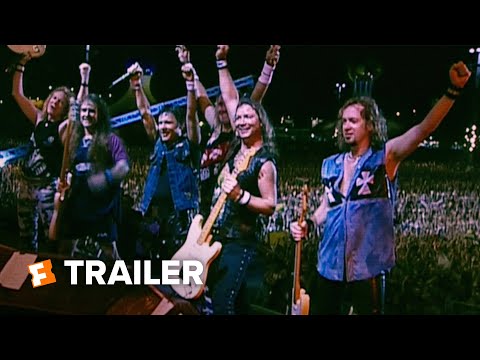
Iron Maiden

Iron Maiden
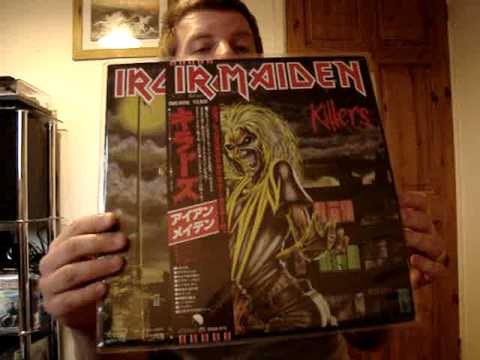
Iron Maiden
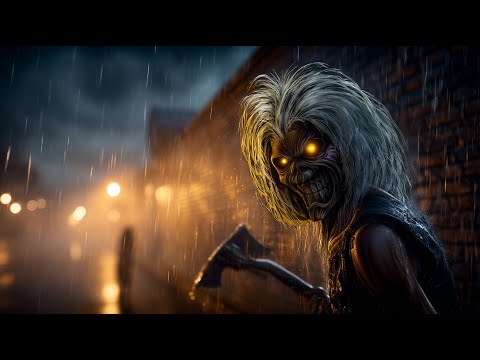
Iron Maiden
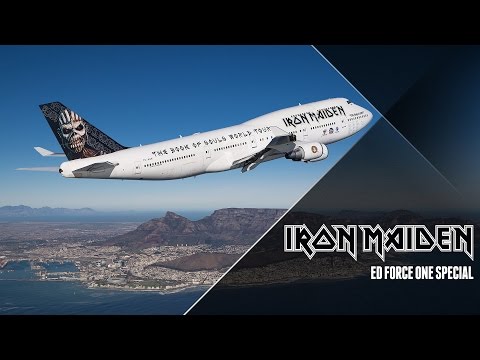
Iron Maiden
Iron Maiden
Iron Maiden
Iron Maiden
Iron Maiden
Iron Maiden
Iron Maiden
Iron Maiden
Iron Maiden
Iron Maiden

Iron Maiden
 3:26
3:26Iron Maiden
 0:38
0:38Iron Maiden
 19:21
19:21Iron Maiden
 2:07
2:07Iron Maiden
 7:18
7:18Iron Maiden
 6:01
6:01Iron Maiden
 1:45
1:45Iron Maiden
 0:30
0:30Iron Maiden
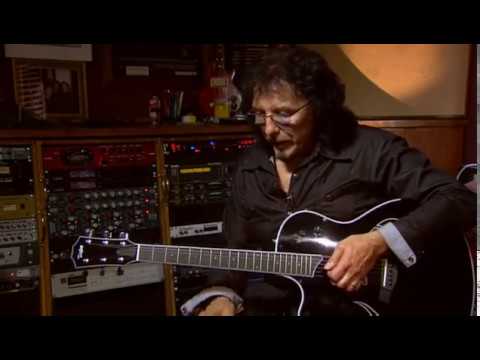
Black Sabbath
![Thumbnail for Black Sabbath - Interview 1973 [Reelin' In The Years Archives] by Black Sabbath](https://img.youtube.com/vi/vX6NAJWUep8/hqdefault.jpg)
Black Sabbath
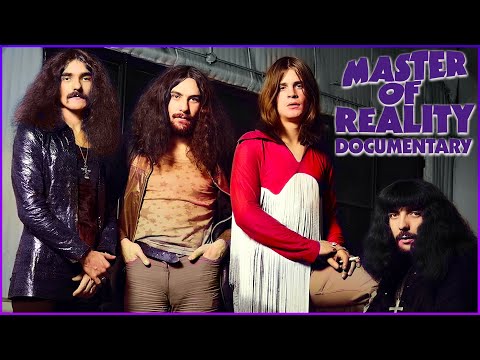
Black Sabbath

Black Sabbath
Black Sabbath
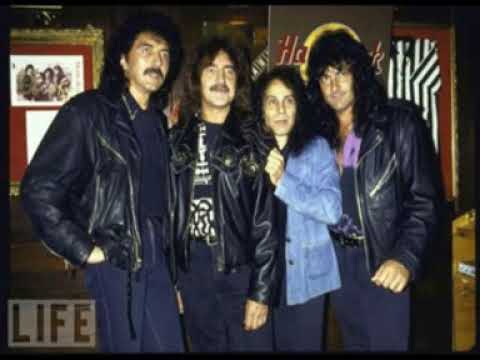
Black Sabbath

Black Sabbath
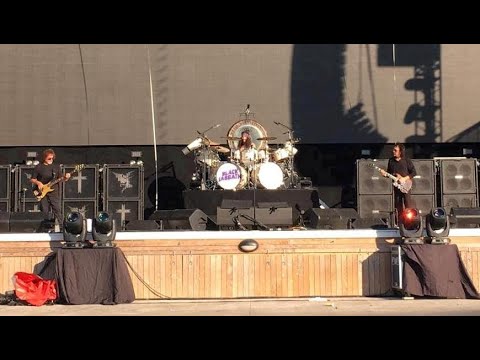
Black Sabbath
Black Sabbath
Black Sabbath