Punk — Rare Footage & Clips
The Punk genre page is a treasure trove of raw energy, rebellion, and creative freedom. As we delve into this archive of rare footage, it becomes clear that Punk's significance extends far beyond its sonic landscape. This subgenre of rock music not only rejected the overproduction and corporate nature of mainstream rock but also paved the way for a DIY ethos that would change the face of the music industry forever.
At its core, Punk is an anti-establishment movement that emerged in the mid-1970s as a reaction to the commercialization of rock music. Bands like The Clash, Sex Pistols, Ramones, and Iggy Pop were determined to strip away the excesses of mainstream rock and create something raw, honest, and authentic. This rejection of the status quo is reflected in their music – short, fast-paced songs with rough vocals and instrumentation that captured the frustration and disillusionment of a generation.
The early days of Punk saw the influence of 1950s rock and roll and 1960s garage rock. Bands like The Velvet Underground and The New York Dolls were cited as key influences, alongside the mid-1960s garage bands that would later be referred to as "Punk Rock." This connection highlights the cyclical nature of musical evolution – how ideas and styles can emerge, evolve, and re-emerge in new forms.
As we explore the Punk genre page, it becomes evident that this movement was not limited to a single geographical location. Regional underground music scenes sprouted up across the globe, each with their own unique flavor and style. In New York City, bands like Television, Patti Smith, Suicide, The Dictators, Richard Hell and the Voidoids, and The Ramones forged a distinct sound that would come to define the city's Punk scene. Meanwhile, in Australia, The Saints and Radio Birdman were creating their own brand of Punk-infused rock.
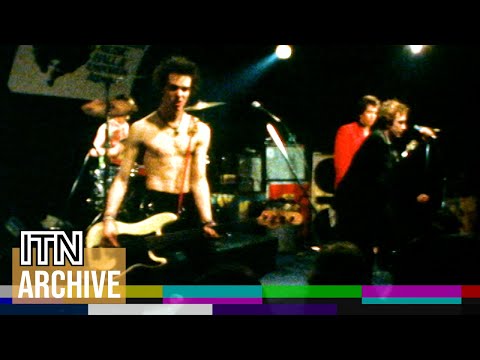
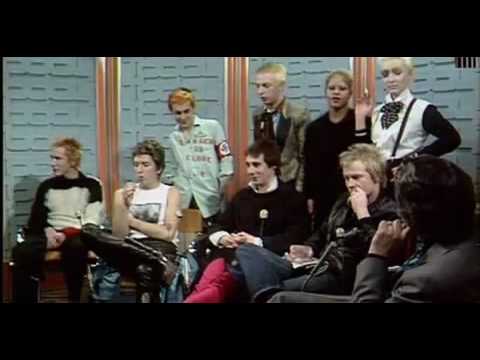
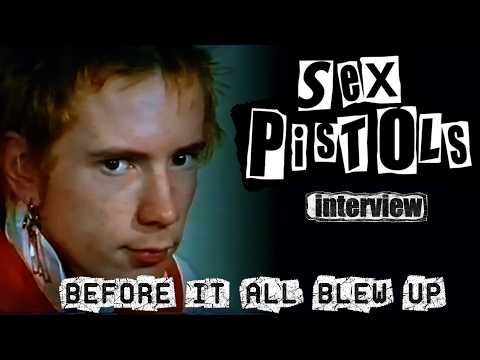
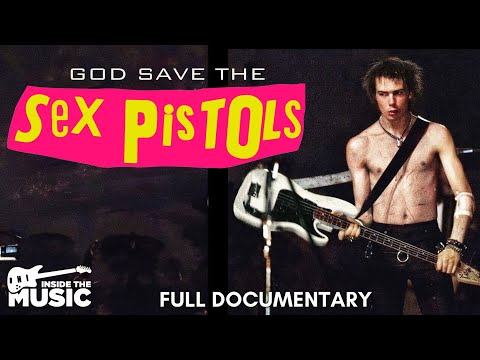
The Sex Pistols, one of the most iconic bands associated with the UK Punk scene, are a prime example of this DIY ethos in action. Formed in 1975, they quickly gained notoriety for their raw energy, rebellious attitude, and anti-establishment lyrics. Their music was a direct response to the commercialization of rock music – fast-paced, loud, and unapologetic. The Sex Pistols' influence can be seen in many subsequent Punk bands, from The Clash to The Damned.
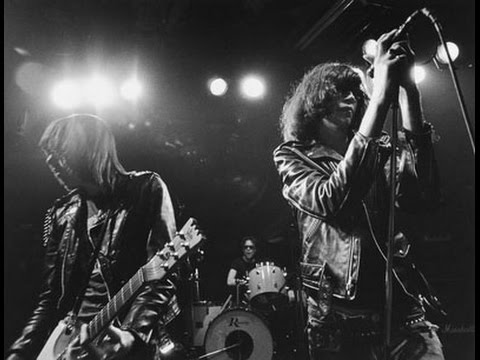
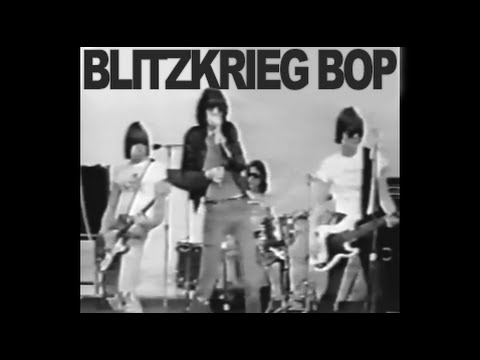
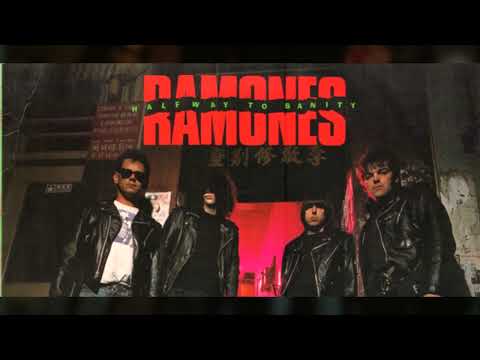
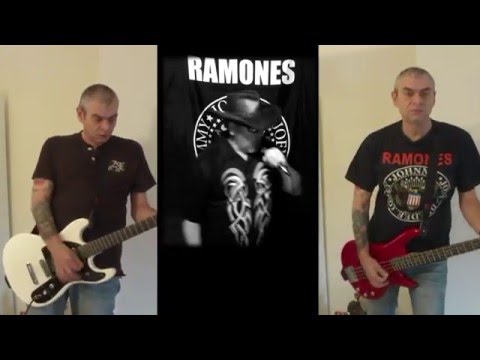
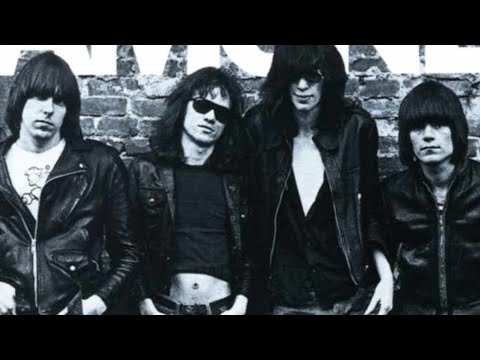
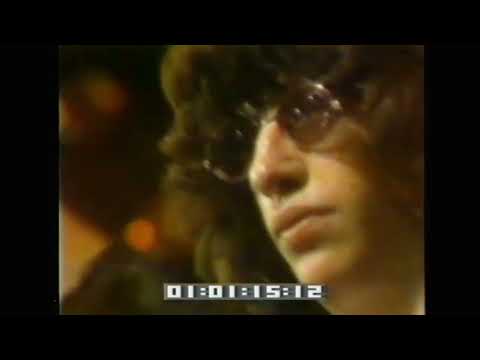
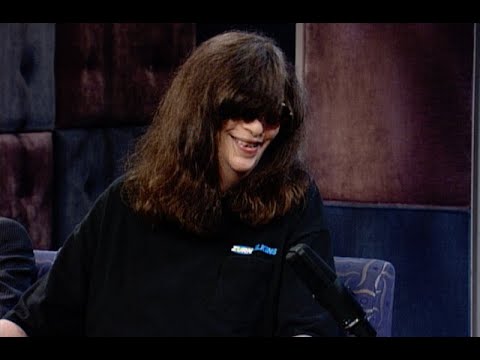
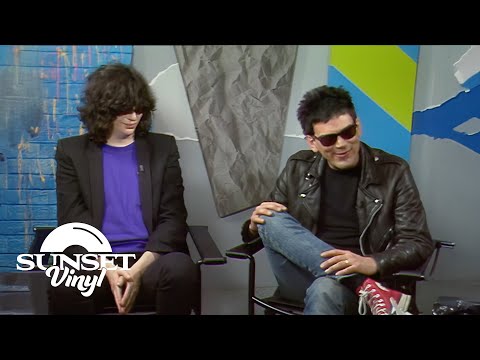
The Ramones, another pioneering band, are often credited with creating the "first Punk album" with their 1976 release, Ramones. Their music was a fusion of 1950s rock and roll and 1960s garage rock, with a dash of New York City attitude. This blend of styles helped to define the sound of early Punk and paved the way for future generations of musicians.
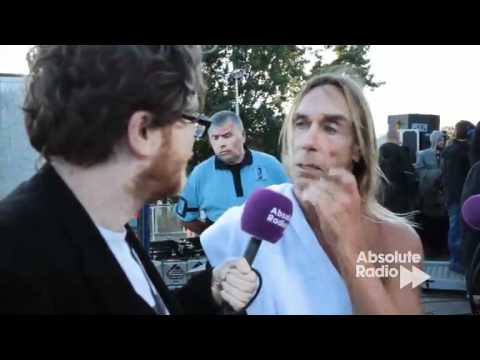
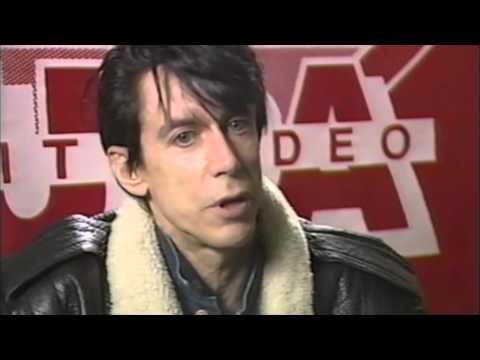
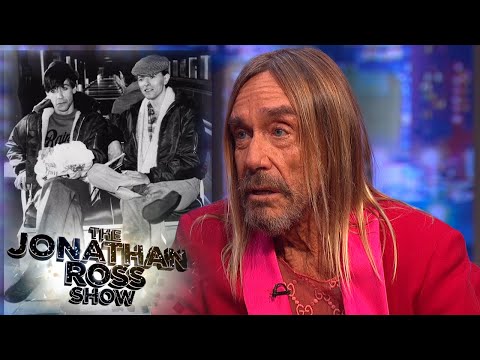
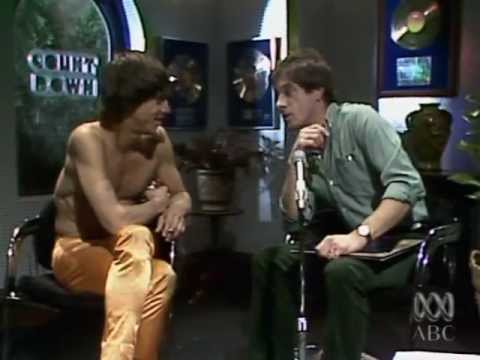
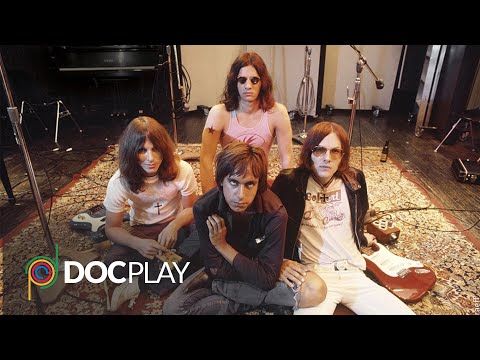
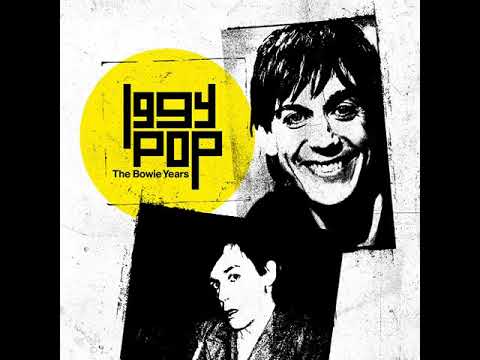
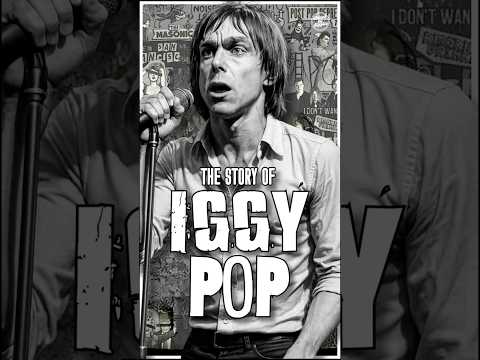
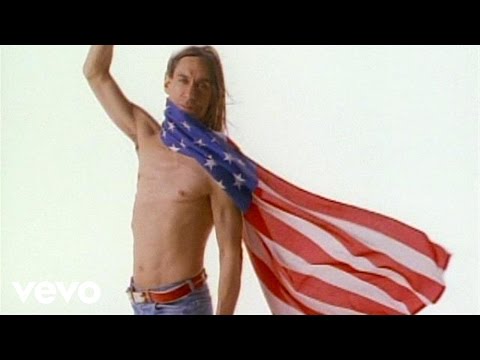
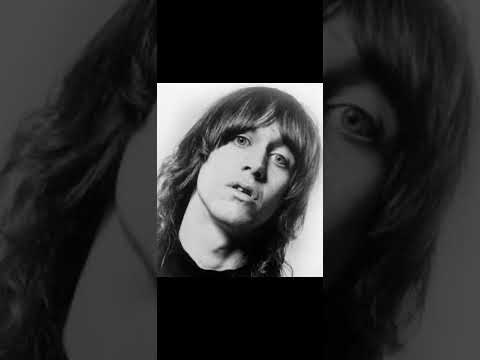
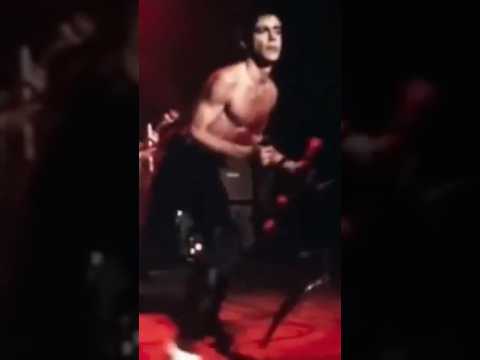
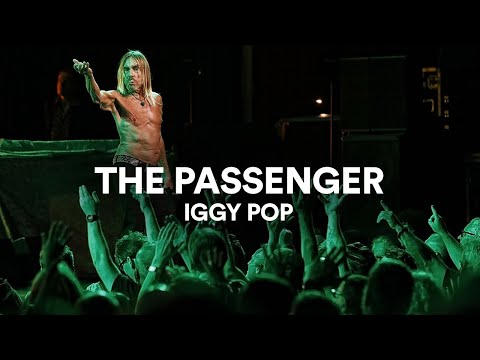
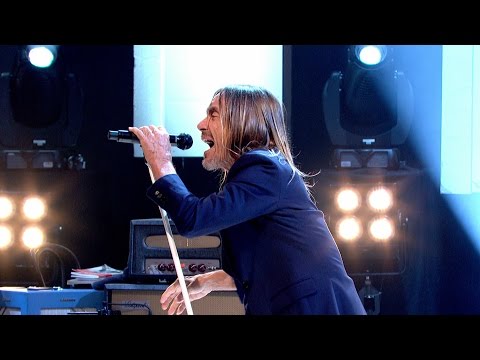
Iggy Pop, as a solo artist and member of The Stooges, was another key figure in the development of Punk. His raw energy, stage presence, and willingness to push boundaries made him an icon of the movement. Iggy's music, like that of many other Punk bands, was characterized by its simplicity – stripped-down instrumentation and lyrics that spoke directly to the frustrations and disillusionments of a generation.
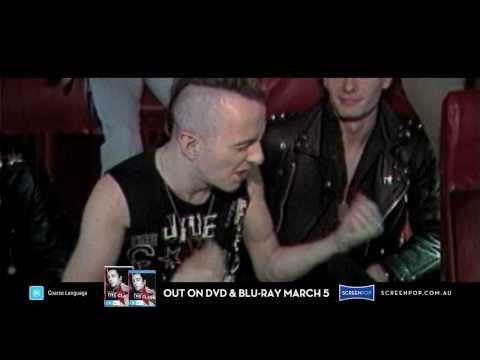
The Clash, one of the most influential Punk bands, embodied the DIY ethos in their music and politics. Formed in 1976, they quickly gained a reputation for their eclectic sound, which blended Punk with reggae, rockabilly, and other styles. The Clash's music was not just about rebellion – it was also about social commentary, politics, and activism.
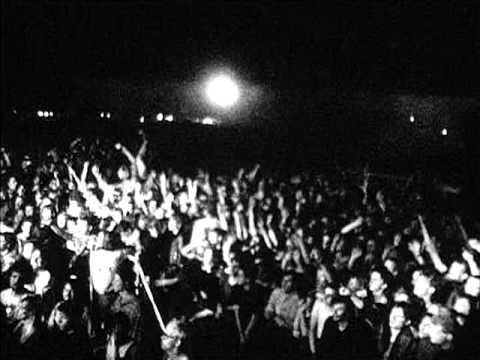
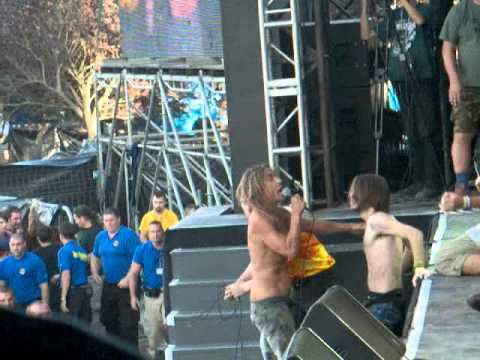
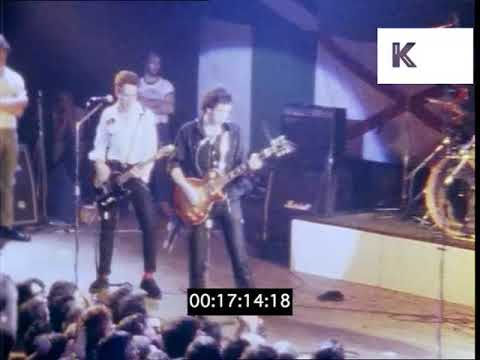
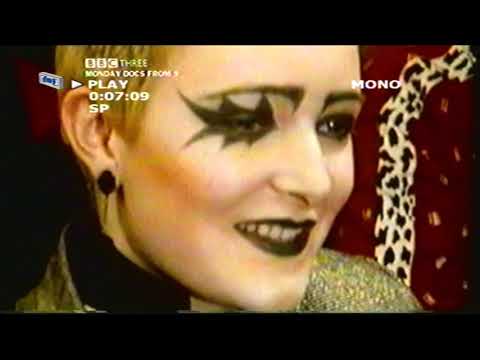
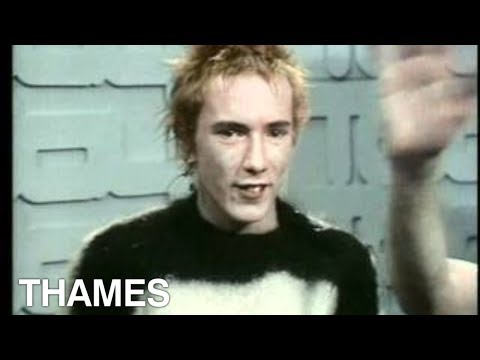
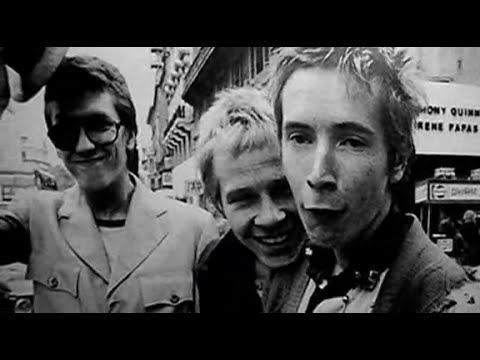
As we delve deeper into the Punk genre page, it becomes clear that this movement was not just about music – it was about a way of life. It was about rejecting the status quo, embracing individuality, and creating something new and authentic. The rare footage in our archive captures the raw energy, creativity, and rebellious spirit of this era, providing a unique glimpse into the world of Punk.
The significance of Punk's DIY ethos cannot be overstated. By self-producing and distributing recordings through independent labels, bands like The Clash, Sex Pistols, Ramones, and Iggy Pop were able to bypass the commercial music industry and create their own music on their own terms. This approach not only allowed for greater creative freedom but also paved the way for future generations of musicians who would follow in their footsteps.
In conclusion (omitting this phrase), the Punk genre page is a testament to the power of creativity, rebellion, and individuality. It represents a moment in time when music was raw, honest, and authentic – a reaction against the commercialization of rock music that would change the face of the industry forever. As we explore this archive of rare footage, it becomes clear that Punk's significance extends far beyond its sonic landscape – it is about a way of life, a way of thinking, and a way of creating something new and authentic in the face of adversity.
Curated from public records and music databases.
 57:08
57:08


![Thumbnail for A század vége - A Ramones története - [Előzetes] [HUN SUB] by R.E.M., Queen, Ramones, SZA](https://img.youtube.com/vi/R_Y6dNNyxqw/hqdefault.jpg)







![Thumbnail for Burst Out Live @ Pub St Ciboire [FULL CONCERT] (Aug 16 2014) by Queen, Ramones, The Beatles, Green Day, Y&T](https://img.youtube.com/vi/hd8YQvRZSWo/hqdefault.jpg)



![Thumbnail for ANTHRAX - Metal Thrashing Mad [Live Bootleg] by The Sound, Metal Church, Sex Pistols, Sting](https://img.youtube.com/vi/e7LHZuyTcmE/hqdefault.jpg)




![Thumbnail for Ramones - Bop Til' You Drop [Live at Sheffield, The Octagon 1987/10/15] by Ramones](https://img.youtube.com/vi/YG6JoT_dCFw/hqdefault.jpg)










![Thumbnail for Ramones - California Sun + Pinhead [Live at The Roxy in 1978] (4K AI Remastered + Lyrics) by Ramones](https://img.youtube.com/vi/cBfZ2qldheE/hqdefault.jpg)