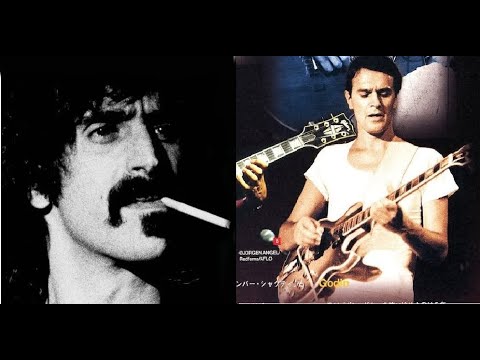
Frank Zappa — Rare Footage & Clips
Frank Zappa's impact on music history is a testament to his unwavering commitment to innovation and artistic expression. As a composer, songwriter, guitarist, conductor, actor, satirist, filmmaker, and activist, Zappa's diverse talents have left an indelible mark on the musical landscape of the 20th century.
Born in 1940, Zappa's early life was marked by his exposure to various forms of music. As a teenager, he developed a taste for classical modernism, African-American rhythm and blues, and doo-wop music. This eclectic mix of influences would later shape his unique sound, which blended elements of rock, pop, jazz, jazz fusion, orchestral, and musique concrète works.
Zappa's musical journey began in the 1960s with the formation of The Mothers of Invention. As a mostly self-taught composer and performer, Zappa drew upon his diverse influences to create music that was often difficult to categorize. His early work with The Mothers of Invention, including albums such as "Lumpy Gravy" (1967) and "Hot Rats" (1969), showcased his ability to blend complex musical structures with catchy melodies.
One of the most significant aspects of Zappa's career is his commitment to sonic experimentation. Albums such as "Chunga's Revenge" (1970) and "Waka/Jawaka" (1972) pushed the boundaries of what was considered acceptable in mainstream music, incorporating elements of jazz fusion and orchestral arrangements into his work.
Zappa's influence on rock music cannot be overstated. His innovative approach to composition and arrangement has inspired countless musicians across genres. The fact that he composed over 60 albums during his career is a testament to his boundless creativity and dedication to his craft.
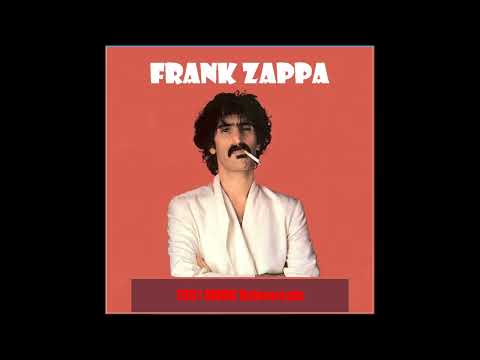
The archive at DeepCutsArchive features an extensive collection of rare footage, including the full concert from "Frank Zappa - 1968 - Full Concert - The Beat Club, Bremen, West Germany." (1968). This performance showcases Zappa's ability to seamlessly blend complex musical structures with high-energy performances. The clip highlights his mastery of both electric guitar and orchestral arrangements, demonstrating why he is considered one of the most innovative musicians of his generation.
Zappa's influence extends beyond music itself. As a satirist and social commentator, he used his platform to critique American culture and politics. Albums such as "Apostrophe" (') (1974) and "One Size Fits All" (1975) tackled topics ranging from consumerism to government surveillance. His commitment to free speech and artistic expression has inspired generations of musicians and artists.
Zappa's legacy extends beyond his own music, with many notable artists citing him as an influence. Musicians such as Flea, Mike Patton, and Dweezil Zappa (Frank's son) have all referenced the impact of Zappa's work on their own creative endeavors. His innovative approach to composition and arrangement has also influenced film scores and classical music.
The fact that Zappa was a mostly self-taught composer and performer is a testament to his boundless creativity and dedication to his craft. Despite lacking formal training, he managed to compose complex musical structures and arrangements that continue to inspire musicians today.
Zappa's commitment to artistic expression has also led him to experiment with various mediums beyond music. As a filmmaker, Zappa directed feature-length films and music videos, showcasing his versatility as an artist. His album covers, designed by himself, are also notable for their innovative use of visual imagery.
In conclusion, Frank Zappa's impact on music history is a testament to his unwavering commitment to innovation and artistic expression. As a composer, songwriter, guitarist, conductor, actor, satirist, filmmaker, and activist, Zappa's diverse talents have left an indelible mark on the musical landscape of the 20th century.
Zappa's influence extends beyond music itself, with his commitment to free speech and artistic expression inspiring generations of musicians and artists. His innovative approach to composition and arrangement has also influenced film scores and classical music.
The archive at DeepCutsArchive provides a unique glimpse into Zappa's creative process, showcasing his ability to seamlessly blend complex musical structures with high-energy performances. The full concert from "Frank Zappa - 1968 - Full Concert - The Beat Club, Bremen, West Germany." (1968) is a must-see for any fan of Zappa's work.
In the world of rock music, Frank Zappa stands as an iconoclastic figure, pushing the boundaries of what was considered acceptable in mainstream music. His innovative approach to composition and arrangement has inspired countless musicians across genres, cementing his status as one of the most influential musicians of his generation.
As a testament to his enduring legacy, Zappa's music continues to inspire new generations of musicians and artists. His commitment to artistic expression and free speech remains an essential part of his creative vision, inspiring us to push beyond the boundaries of what is considered acceptable in mainstream culture.
The archive at DeepCutsArchive provides a unique opportunity to explore Zappa's extensive discography, featuring over 60 albums that showcase his innovative approach to composition and arrangement. From "Lumpy Gravy" (1967) to "Studio Tan" (1978), Zappa's music is characterized by nonconformity, improvisation, sonic experimentation, musical virtuosity, and satire of American culture.
In the world of rock music, Frank Zappa stands as an iconoclastic figure, pushing the boundaries of what was considered acceptable in mainstream music. His innovative approach to composition and arrangement has inspired countless musicians across genres, cementing his status as one of the most influential musicians of his generation.
As a testament to his enduring legacy, Zappa's music continues to inspire new generations of musicians and artists. His commitment to artistic expression and free speech remains an essential part of his creative vision, inspiring us to push beyond the boundaries of what is considered acceptable in mainstream culture.
Curated from public records and music databases.


![Thumbnail for Huun Huur Tu - Altai Sayan Tandy-Uula [Full album] by The Chieftains, Sayan Bapa, Frank Zappa, Kaigal-ool Khovalyg, Huun-Huur-Tu, Radik Tülüsh](https://img.youtube.com/vi/XIrdoGK0-xg/hqdefault.jpg)