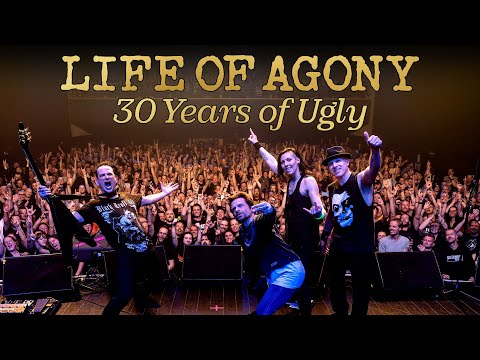
Life Of Agony live @ Wetlands Preserve NYC 1993 (Full Show)
Life Of Agony Live @ Wetlands Preserve November 14th 1993 Setlist: 1) Plexiglass Gate 2) Respect 3) Through And Through 4) River Runs Red 5) This Time (Featuring Sean Kilkenny of Dog Eat Dog on 2nd Guitar) 6) Bad Seed 7) 8) Words And Music 9) Method Of Groove 10) My Eyes 11) The Stain Remains Hope you all dig this gem of a performance!
About This Footage
This footage, captured live at Wetlands Preserve in NYC on November 14th, 1993, is a rare and fascinating glimpse into the early career of Life of Agony. As an American alternative metal band from Brooklyn, they were already making waves with their debut album River Runs Red, released just that year.
The setlist for this performance showcases the band's unique sound, which blended elements of heavy metal with more melodic and atmospheric textures. Tracks like "Plexiglass Gate" and "Respect" demonstrate the band's ability to craft aggressive riffs and driving rhythms, while songs like "Through And Through" and "River Runs Red" reveal a more introspective side.
One notable aspect of this performance is the inclusion of Sean Kilkenny from Dog Eat Dog on second guitar for the track "This Time". This collaboration highlights the close-knit nature of the New York City metal scene in the early 1990s, where artists frequently collaborated and shared influences.
The Wetlands Preserve venue itself was a hub for live music in NYC during this period, hosting a diverse range of acts from punk to jazz. The fact that Life of Agony was chosen to perform at this iconic spot underscores their growing reputation as one of the city's most exciting new metal bands.
This footage is also significant because it predates the mainstream recognition that would soon come with Rolling Stone naming River Runs Red one of the Greatest Metal Albums of All Time. It provides a rare opportunity to see Life of Agony in an intimate setting, performing songs from their debut album before they had achieved widespread acclaim.
The 50-minute performance is a testament to the band's energy and stage presence, capturing the raw emotion and intensity of their live shows. The setlist, while not exhaustive, gives a good sense of the band's range and versatility, showcasing both aggressive metal and more melodic moments.
For fans of alternative metal and those interested in the early 1990s NYC music scene, this footage is an essential watch. It offers a unique perspective on Life of Agony's formative years, highlighting their innovative sound and the close-knit community that nurtured them.
Curated from public records and music databases.
About Life of Agony
Life of Agony is an American alternative metal band from Brooklyn, New York City, formed in 1989 by singer Keith Caputo, bassist Alan Robert and guitarist Joey Z. The band has released six studio albums to date, most notably their 1993 debut River Runs Red, named by Rolling Stone as one of the Greatest Metal Albums of All Time.
More about Life of Agony→Added
Know someone who'd love this clip?
Share it with friends and fellow fans.