Life of Agony Fan Killed Due to Moshing - First Ever Death In America
Today we take a look at the band Life of Agony and their 1994 cancer that saw a fan killed becoming the first fan death as a result of moshing in America. SIGN UP for 10 of the Craziest Stories in Rock N' Roll [Secret Playlist]: https://bit.ly/3vVPAEF Check out our Top 25 Favourite Albums Here https://rockandrolltruestories.com/ Have a video request or a topic you'd like to see us cover? Fill out our google form! https://bit.ly/3stnXlN -----CONNECT ON SOCIAL----- Instagram: https://www.instagram.com/rocknrolltruestories Facebook: https://www.facebook.com/RNRTrueStories Twitter: https://twitter.com/rocktruestories Blog: www.rockandrolltruestories.com #lifeofagony #moshing I cite my sources and they may differ than other people's accounts, so I don't guarantee the actual accuracy of my videos. I want to thank one of my subscribers for suggesting this story and upon researching it, it uncovered a wider debate not just about the story itself, but what it could mean for the music industry and how the mainstream media started shining a light at mosh pits at concerts. In 1994 America would suffer its first death as a result of mosh pits. At a Life of Agony concert on December 16th in 1994 at brooklyn venue L'Amour an 18 year old named Christopher Mitchell would die as a result of stage diving. Mitchel who hailed from Pearl River, New York drove into new york city to see Life of Agony’s show nine days before Christmas. At that show Mitchell would stage dive several times before his last dive that saw him end up dead. The police would arrest a security guard named James Gheida who worked the concert that night was accused of throwing the Mitchell off the stage onto an empty part of the dance floor. His arrest was due to the fact that some audience members claimed they saw him throw mitchell off the stage. Mitchell would land headfirst, suffer a fractured skull and pass away the following day He would go to trial accused of second degree and criminally negligent homicide. Gheida would plead not guilty with his lawyer telling the press."My client says that he didn't push him,""I feel badly that this young man died. I think everybody does. But I don't think someone should be punished if he didn't do it."Gheida’s lawyer claimed that Mitchell was intoxicated the night he attended the concert. . The concert industry expected the outcome of the trial to be on the same level as the temporary ban on festival seating that happened at the infamous Who show in 1979 in Cinincatti that resulted in 11 deaths. decision on the same level as the decision to (temporarily) ban "festival" seating following the 1979 death of 11 Who fans at a Cincinnati concert. Mitchell’s parents whose father worked for American Airlines, and his mother , a nurse -- would appear on several tv shows to discuss concert safety and their state senator Joseph R Holland would propose legislation that held venues liable for any moshing injuries. They would also file a civil suit against the security guard and the concert venue which by 1996 was already shuttered. Mitchell’s parents would tell the Times they weren’t trying to ban moshing with his father telling the paper "I'm not looking to ban anything," Mr. Mitchell continued. "If you think moshing is O.K. for you, go ahead and do it. But here is one incident that's a reference point for you." The rise in injuries at concerts also brought more litigation to America’s courts with the victims seeking damages for their injuries. The Times would interview an insurance company that covers music artists named Entertainment Insurance Agency who told the paper they had 6 x the claims they had in the 80’s with the owner telling the paper o. "We've grown into a more litigious society," "A lot of these are mosh pit cases." Of course the news media jumped all over this with the new york times publishing an article that read It has become a common ritual at rock concerts: people banging against one another on the dance floor, hurling themselves from the stage into the crowd, tossing one another overhead like beach balls. It is known as moshing, and while some may find the practice mystifying, possibly even violent, few would think of it as life-threatening. Here’s a news report from the early 90’s discussing moshing. It was in this article that the new york times stated that as popularity of moshing increased so did deaths at rock concerts. By 1996 deaths at rock shows outside America were tallied to be 22 over the least four years with 10,000 people suffering injuries worldwide. It was the same year that Mitchell died that two other concert goers became quadrapolegics due to moshing. One happened during lollapalooza stop on Aug. 3 at its New England stop in Quonset Point, R.I.Jeremy Libby, 15, of Pittsfield, Maine, was paralyzed from the neck down from moshing injuries. The same thing happened to 23 year old Brian Cross, 23 at a Pantera show in Marylan
About This Footage
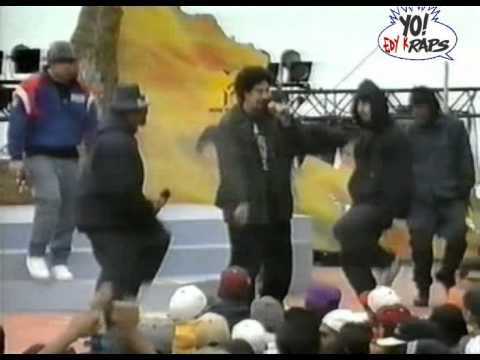
The grainy footage from 1994 is a stark reminder of the darker side of moshing, a phenomenon that was gaining momentum in the alternative metal scene at the time. Life of Agony, an American band from Brooklyn, was at the forefront of this movement, and their music reflected the raw energy and intensity of their live performances.
The clip, titled "Life of Agony Fan Killed Due to Moshing - First Ever Death In America," is a harrowing account of a tragedy that occurred on December 16th, 1994, at L'Amour in Brooklyn. Christopher Mitchell, an 18-year-old fan from Pearl River, New York, died as a result of stage diving during the show. The incident sparked a wider debate about the safety of mosh pits and the responsibility of concert venues and security personnel.
The footage is rare not only because it captures the raw emotion of the event but also because it provides insight into the investigation that followed. James Gheida, a security guard at L'Amour, was arrested and accused of throwing Mitchell off the stage onto an empty part of the dance floor. While some audience members claimed to have seen Gheida's actions, others disputed this account, leaving the question of culpability open.
Life of Agony's music, particularly their 1993 debut River Runs Red, had been gaining a significant following in the alternative metal scene. The band's sound was characterized by its intense energy and aggressive riffs, which resonated with fans who were drawn to the raw emotion and intensity of their live performances. However, this same energy that drove their music also contributed to the chaos and violence that erupted during moshing incidents.
The incident at L'Amour in 1994 marked a turning point for the music industry, as it highlighted the need for greater safety measures and regulations around mosh pits. The mainstream media began to scrutinize these events, shedding light on the darker aspects of concert culture. This increased attention also led to a reevaluation of the role of security personnel at concerts, with many venues implementing new policies and procedures to prevent similar incidents.
One of the most striking aspects of this footage is the contrast between the raw emotion of the event and the detached tone of the narrator. The clip's creator, who cites their sources but acknowledges potential inaccuracies, provides a nuanced account of the incident, highlighting both the tragedy and the controversy surrounding it. This attention to detail adds depth to the narrative, making the viewer feel like they are witnessing a pivotal moment in music history.
As we watch this footage, we are confronted with the harsh realities of moshing's darker side. The images of chaos and violence serve as a stark reminder of the risks involved in this type of crowd behavior. Yet, at the same time, the clip also captures the raw energy and intensity that defined Life of Agony's music and live performances.
The legacy of this incident can be seen in the way it has influenced concert culture and safety regulations. Today, venues are more aware of the need for clear guidelines and safety protocols to prevent similar incidents. This increased attention to detail has also led to a greater understanding of the complexities surrounding moshing and its relationship with crowd behavior.
Ultimately, this footage serves as a poignant reminder of the risks involved in extreme forms of crowd behavior. As we watch the grainy images from 1994, we are forced to confront the darker aspects of concert culture and the need for greater safety measures. The incident at L'Amour marked a turning point for the music industry, highlighting the importance of responsible crowd management and safety protocols.
Curated from public records and music databases.
About Life of Agony
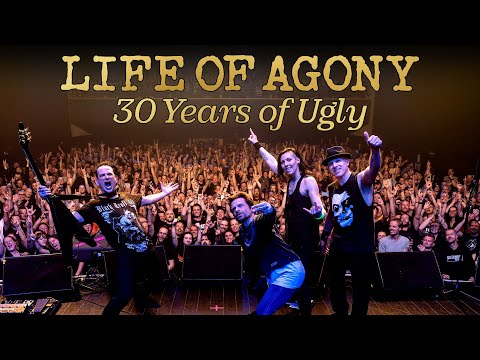
Life of Agony is an American alternative metal band from Brooklyn, New York City, formed in 1989 by singer Keith Caputo, bassist Alan Robert and guitarist Joey Z. The band has released six studio albums to date, most notably their 1993 debut River Runs Red, named by Rolling Stone as one of the Greatest Metal Albums of All Time.
More about Life of Agony→Added
Know someone who'd love this clip?
Share it with friends and fellow fans.