Jimmy Witherspoon — Rare Footage & Clips
Jimmy Witherspoon's storied career, spanning over seven decades, is a testament to the enduring power of his voice and artistry. As one of the pioneers of jump blues and jazz, Witherspoon left an indelible mark on the music landscape, influencing generations of musicians to come.
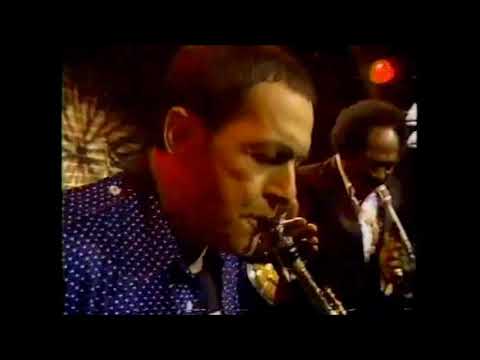
A cursory glance at the archive reveals a treasure trove of rare footage featuring Witherspoon in various settings – from intimate club performances to large-scale concert dates. One clip, dated 1957, finds Witherspoon and Wilbur de Paris sharing the stage for an unforgettable rendition of "New Orleans Blues". The chemistry between the two is palpable as they trade verses, their voices intertwining in a joyful celebration of the city's rich musical heritage.
This particular performance serves as a microcosm for Witherspoon's impact on the genre. As a singer, he was not merely a vessel for the music; rather, he was an integral part of its fabric, imbuing each note with his unique personality and style. His vocal range, capable of effortlessly gliding between growls and smooth croons, added a layer of emotional depth to even the most straightforward blues standards.
Witherspoon's discography is replete with classics that have stood the test of time. The 1959 album "Feelin' the Spirit" showcases his ability to adapt to different settings, whether it be the swinging rhythms of "Sinnerman" or the more subdued, gospel-infused "I'll Be Seeing You". His rendition of "Hey, Mrs. Jones", from the 1961 album of the same name, is a masterclass in phrasing and delivery, as he effortlessly navigates the song's intricate melody.
One cannot overstate Witherspoon's significance within the context of music history. As a key figure in the development of jump blues, he played a crucial role in bridging the gap between traditional blues and the emerging jazz scene. His influence can be heard in the work of later artists such as T-Bone Walker and Little Richard, who all drew upon Witherspoon's innovative approach to the genre.
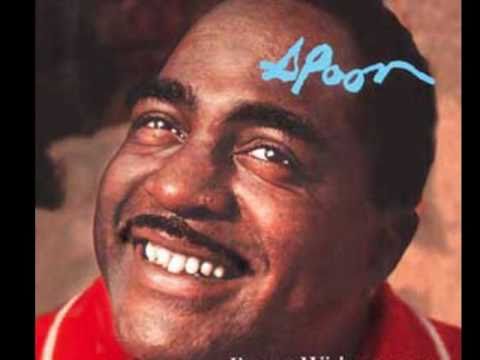
The 1961 album "Sings The Blues" is a testament to Witherspoon's continued relevance within the music landscape. Featuring a mix of original compositions and standards, this record finds him in top form, his voice conveying a sense of urgency and passion that is simply captivating. Tracks like "Baby, Baby, Baby" and "'Spoon" showcase his ability to craft memorable melodies and lyrics, cementing his status as one of the era's most compelling vocalists.
Throughout his career, Witherspoon demonstrated an unwavering commitment to exploring the blues in all its forms. Whether he was paying homage to the genre's roots or pushing its boundaries with innovative arrangements, Witherspoon remained true to himself and his art. This dedication has inspired countless musicians, ensuring that his legacy continues to resonate within contemporary music.
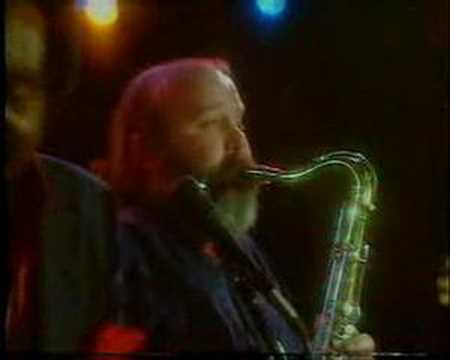
The archive contains a wealth of footage showcasing Witherspoon's live performances, each one offering a unique glimpse into his artistic process. A 1962 concert clip finds him fronting a tight ensemble, trading solos and engaging in spirited call-and-response exchanges with the audience. These moments serve as a reminder that Witherspoon was not merely a studio artist, but a consummate performer who could adapt to any setting.
As we delve deeper into Witherspoon's discography, it becomes clear that his impact extends far beyond the realm of blues and jazz. His influence can be heard in the work of artists from diverse genres, each one drawn to his unique approach to storytelling through song. The 1964 album "Blues Around the Clock" is a prime example, featuring Witherspoon's take on standards like "Stormy Weather" and "I'll Be Seeing You".
In many ways, Jimmy Witherspoon's story serves as a microcosm for the era in which he rose to prominence. Born in 1920, Witherspoon came of age amidst the tumultuous landscape of the Great Depression and World War II. His music, like that of his contemporaries, was shaped by these events, reflecting the struggles and triumphs of those who lived through them.
The archive's collection of rare footage offers a poignant reminder of Witherspoon's enduring legacy. As we watch him take the stage, his voice booming through the speakers, it becomes clear that he was more than just a singer – he was an ambassador for the blues, carrying its spirit forward into a new era.
Curated from public records and music databases.