Dorothy Ashby — Rare Footage & Clips
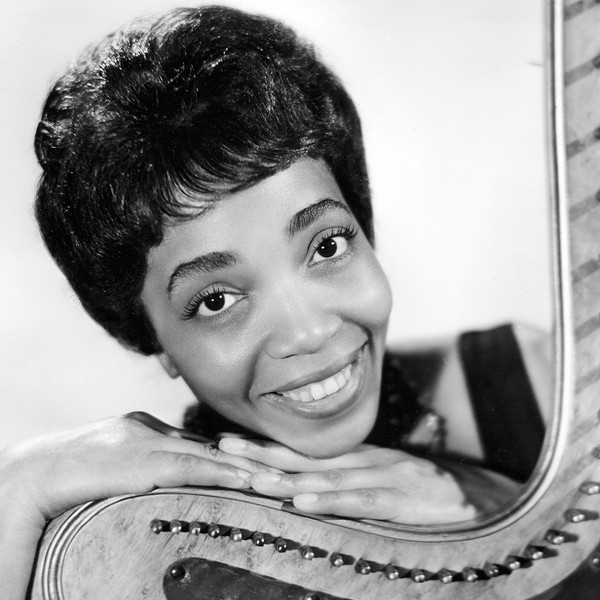
Dorothy Ashby, the trailblazing American jazz harpist, singer, and composer, left an indelible mark on music history. Her remarkable career, spanning over five decades, was marked by perseverance, innovation, and a passion for pushing the boundaries of her instrument.
One of the most significant contributions Ashby made to music history was her establishment of the harp as a viable improvising jazz instrument. Prior to her time, the harp had been relegated to novelty or background orchestral roles, but Ashby proved that it could hold its own alongside more traditional jazz instruments like the saxophone and piano. This achievement is evident in clips from The Jazz Harpist (1957), where Ashby's masterful playing showcases her ability to navigate complex bebop melodies with ease.
The significance of Ashby's work cannot be overstated, particularly given the era in which she was active. As an African-American female musician in a male-dominated industry, she faced numerous obstacles and biases that would have daunted even the most talented artists. Yet, Ashby persevered, driven by her vision for the harp as a jazz instrument.
Ashby's music also reflects her unique cultural perspective, blending elements of jazz, blues, and African-American musical traditions. Her album Afro-Harping (1968) is a prime example of this fusion, featuring intricate harp arrangements that pay homage to African rhythms while maintaining a distinctly modern, avant-garde spirit.
In addition to her groundbreaking music, Ashby's influence extends to the very fabric of jazz itself. Her innovative approach to the harp has inspired generations of musicians, from harpists like Brandee Younger and Paula West to saxophonists and pianists who have been influenced by her bold, expressive playing style.
Ashby's legacy is also marked by her tireless advocacy for women in music. In a 1983 interview with W. Royal Stokes, she reflected on the challenges she faced as an African-American female musician: "It's been maybe a triple burden in that not a lot of women are becoming known as jazz players. There is also the connection with Black women." Ashby's words serve as a testament to her unwavering commitment to breaking down barriers and paving the way for future generations.
The clips from Soft Winds: The Swinging Harp of Dorothy Ashby (1961) demonstrate Ashby's ability to seamlessly blend jazz, blues, and pop influences. Her song "Soft Winds" is a prime example of this eclecticism, featuring lush harp arrangements that evoke the sophistication of Ella Fitzgerald while maintaining a distinctly modern, swinging feel.
Ashby's music also reflects her connection to the African-American musical tradition, as evident in clips from The Fantastic Jazz Harp of Dorothy Ashby (1965). This album features intricate harp arrangements that pay homage to African rhythms and melodies, while maintaining a distinctly modern, avant-garde spirit.
Throughout her career, Ashby faced numerous challenges, from racism and sexism to financial struggles and personal losses. Yet, she persevered, driven by her passion for music and her unwavering commitment to innovation. Her legacy is a testament to the power of art to transcend adversity and inspire future generations.
In the context of music history, Ashby's contributions are multifaceted and far-reaching. She not only expanded the possibilities of the harp as a jazz instrument but also paved the way for women in music, challenging the male-dominated industry with her innovative playing style and unwavering dedication to her craft.
The clips from Dorothy’s Harp (1969) showcase Ashby's ability to balance complex harmonies and melodies, creating a rich tapestry of sound that is both intricate and accessible. Her song "Dorothy's Harp" is a prime example of this skill, featuring lush harp arrangements that evoke the sophistication of classical music while maintaining a distinctly modern, jazz-inspired feel.
Ashby's influence extends beyond her own music to the broader cultural landscape. Her innovative approach to the harp has inspired artists across genres and disciplines, from hip-hop producers who sample her songs to visual artists who draw inspiration from her bold, expressive playing style.
In the context of American music history, Ashby's contributions are particularly significant given the era in which she was active. As an African-American female musician in a male-dominated industry, she faced numerous obstacles and biases that would have daunted even the most talented artists. Yet, Ashby persevered, driven by her vision for the harp as a jazz instrument.
The clips from The Rubáiyát of Dorothy Ashby (1970) demonstrate Ashby's ability to balance complex harmonies and melodies, creating a rich tapestry of sound that is both intricate and accessible. Her song "Rubáiyát" is a prime example of this skill, featuring lush harp arrangements that evoke the sophistication of classical music while maintaining a distinctly modern, jazz-inspired feel.
Ashby's legacy is also marked by her tireless advocacy for women in music. In a 1983 interview with W. Royal Stokes, she reflected on the challenges she faced as an African-American female musician: "It's been maybe a triple burden in that not a lot of women are becoming known as jazz players. There is also the connection with Black women." Ashby's words serve as a testament to her unwavering commitment to breaking down barriers and paving the way for future generations.
In conclusion, Dorothy Ashby's contributions to music history are multifaceted and far-reaching. Her innovative approach to the harp has inspired generations of musicians, from harpists like Brandee Younger and Paula West to saxophonists and pianists who have been influenced by her bold, expressive playing style.
Curated from public records and music databases.