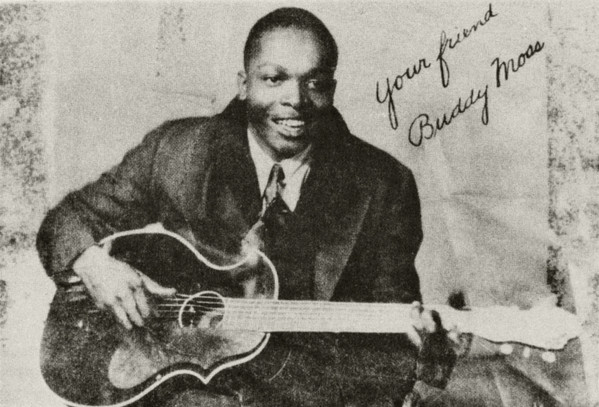
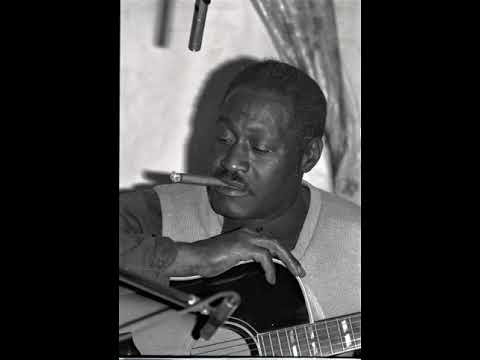
Buddy Moss — Rare Footage & Clips
Buddy Moss: A Titan of the Atlanta Blues Scene
In the pantheon of American blues musicians, few names are as synonymous with authenticity and raw emotion as Buddy Moss. Born on January 16, 1914, in Jewel, Georgia, Moss's life was a testament to the struggles and triumphs of a genre that would come to define an era. As we delve into the archives of DeepCutsArchive, it becomes clear that Moss's legacy extends far beyond his own recordings – he played a pivotal role in shaping the Atlanta blues scene, influencing generations of musicians, and leaving an indelible mark on music history.
Moss's early career was marked by a string of influential recordings for various labels between 1930 and 1942. These sessions, preserved in the DeepCutsArchive collection, showcase his mastery of the guitar and vocals that would become hallmarks of his style. Tracks like "I'm Going to Chicago" (ARC) and "Georgia Bound" ([l1866]) demonstrate Moss's ability to craft songs that were both deeply personal and universally relatable. His collaborations with fellow Georgia bluesmen Curley Weaver, Barbecue Bob, Fred McMullen, Josh White, and others only added to his reputation as a leading figure in the Atlanta blues scene.
However, Moss's life took a tragic turn in 1935 when he was imprisoned for the murder of his wife. The exact circumstances surrounding this event are not well-documented, but its impact on his career is clear: upon his release from prison in 1941, Moss struggled to revive his recording career. Despite his best efforts, it seemed that his time as a major force in the blues scene had passed.
Yet, fate has a way of intervening in the most unexpected ways. During the 1960s blues revival period, Moss was "rediscovered" by field recorder George Mitchell in Atlanta. This chance encounter marked the beginning of a new chapter in Moss's life – one that would see him resume his career as a performer, albeit at a lower level than he had previously enjoyed.
The significance of this rediscovery cannot be overstated. As the blues revival gained momentum, Moss found himself once again at the forefront of the scene. His music, though not as commercially successful as it had been in its heyday, continued to inspire and influence new generations of musicians. The Complete Recorded Works series, released between 1992 and 2006, provides a comprehensive look at Moss's oeuvre, showcasing his versatility and artistry across multiple albums.
One particular highlight from this collection is the album Rediscovery (1970), which captures Moss's re-emergence onto the scene. This recording, preserved in the DeepCutsArchive archives, offers a poignant glimpse into Moss's renewed passion for music. The track "I'm Going to Chicago" (Rediscovery) is particularly noteworthy, featuring Moss's signature blend of raw emotion and technical mastery.
Moss's influence extends far beyond his own recordings, however. As an artist, he played a crucial role in shaping the Atlanta blues idiom – a unique fusion of styles that blended elements of country, folk, and traditional African-American music. His collaborations with other musicians helped to define this sound, which would go on to inspire countless others.
In many ways, Buddy Moss's story is one of perseverance in the face of adversity. Despite being imprisoned for murder and struggling to revive his career, he continued to create music that resonated with audiences. As we explore the DeepCutsArchive collection, it becomes clear that Moss's legacy extends far beyond his own lifespan – he has left an indelible mark on the blues genre as a whole.
The Atlanta Blues Legend (1995) album, for example, offers a comprehensive look at Moss's later career, featuring tracks like "Georgia Bound" and "I'm Going to Chicago". These recordings demonstrate Moss's continued ability to craft songs that were both deeply personal and universally relatable. His influence can be heard in the work of countless other musicians who followed in his footsteps.
In recent years, Moss's music has experienced a resurgence in popularity, thanks in part to the efforts of collectors and archivists like George Mitchell. The 2006 release of The George Mitchell Collection provides a fascinating glimpse into Moss's later career, featuring tracks that showcase his continued artistry and passion for music.
As we delve deeper into the DeepCutsArchive collection, it becomes clear that Buddy Moss was more than just a talented musician – he was a true titan of the Atlanta blues scene. His influence extends far beyond his own recordings, shaping the course of music history in ways both subtle and profound. As we celebrate his legacy, we are reminded of the power of music to transcend even the most trying circumstances – a testament to Moss's unwavering dedication to his craft.
Curated from public records and music databases.