Barbecue Bob — Rare Footage & Clips
The name Barbecue Bob is synonymous with the raw, emotive sounds of the Piedmont blues tradition. As one of the most influential figures to emerge from this genre, his legacy has been meticulously documented on DeepCutsArchive through a series of meticulously curated clips that showcase his remarkable artistry.
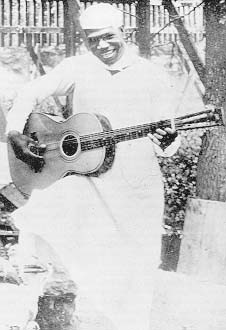
Born Robert Hicks in 1902, Barbecue Bob's life was marked by an extraordinary talent for music and a unique ability to evoke the emotional depths of the blues. His association with the Piedmont region of Georgia is well-documented, where his distinctive playing style on the 12-string guitar became a hallmark of his performances. It's fascinating to note that his musical talents were initially overshadowed by his profession as a cook in a barbecue restaurant – an occupation that would later become the source of his enduring nickname.
One clip from our archive, "Barbecue Bob - 12 String Blues" (1928), exemplifies the masterful control he wielded over his instrument. The way he coaxes intricate melodies out of the 12-string's double course strings is nothing short of remarkable. His style was characterized by a fluid, expressive approach that drew upon the rich musical heritage of the Piedmont region. This clip offers a glimpse into the sonic landscape of the time and serves as a testament to Barbecue Bob's innovative spirit.
Barbecue Bob's recorded output spans over two decades, with his earliest sessions taking place in 1927. His Complete Recorded Works series, compiled by Document Records, provides an exhaustive look at his body of work. The volumes released between 1991 and 2015 offer a comprehensive overview of his artistic evolution and showcase the remarkable consistency he demonstrated throughout his career.
The significance of Barbecue Bob's contributions to music history cannot be overstated. As one of the key figures in the Piedmont blues tradition, he played a pivotal role in shaping the genre's distinctive sound. His innovative use of the 12-string guitar helped establish this instrument as an integral part of the blues landscape. Furthermore, his influence can be seen in the work of later artists such as Charlie Patton and Son House, who drew upon the Piedmont blues tradition to create their own unique styles.
The impact of Barbecue Bob's music extends beyond the realm of the blues itself. His legacy has inspired generations of musicians across a range of genres, from folk to rock. The Rough Guide to Blues Legends: Barbecue Bob (2015) is a fitting tribute to his enduring influence, offering an expertly curated selection of his most essential recordings.
One notable aspect of Barbecue Bob's career is the relatively short duration of his recording activity. Despite releasing numerous sessions between 1927 and 1931, he ceased performing professionally shortly after his final recording in December 1930. The reasons behind this decision are unclear, but it's possible that the Great Depression had a significant impact on his ability to continue working as a musician.
Barbecue Bob's life was tragically cut short when he passed away in October 1931 at the age of 29. His untimely death left an unfillable void in the world of blues music, but his legacy has endured through the tireless efforts of archivists and enthusiasts who have worked tirelessly to preserve and promote his work.
The Essential (2001) is a particularly noteworthy compilation that distills Barbecue Bob's essence into a concise yet comprehensive package. This album offers an expertly curated selection of his most iconic recordings, showcasing the full range of his artistic expression. From the poignant "Gonna Get Lowdown" to the haunting "I'm Gonna Fix You," this collection provides a compelling introduction to the world of Barbecue Bob.
In addition to his own recorded output, Barbecue Bob's influence can be seen in the work of other artists associated with the Piedmont blues tradition. The Hicks Brothers (1999) is an album that pays tribute to his legacy by bringing together a group of musicians who share a deep affinity for this genre. This project serves as a testament to the enduring power of Barbecue Bob's music and its ability to inspire new generations of artists.
Barbecue Bob's impact on music history can be measured in many ways, but one aspect stands out – his innovative use of the 12-string guitar helped establish this instrument as an integral part of the blues landscape. This innovation had far-reaching consequences, influencing a range of genres from folk to rock and inspiring generations of musicians.
The significance of Barbecue Bob's contributions extends beyond the realm of music itself. His legacy serves as a poignant reminder of the transience of life and the importance of preserving cultural heritage. As an archive dedicated to rare artists footage, we are honored to play a role in keeping his memory alive through our meticulously curated clips.
In conclusion, Barbecue Bob's story is one of remarkable talent, innovative spirit, and enduring legacy. Through our carefully selected clips and expertly compiled albums, we invite you to experience the full range of his artistic expression and explore the profound impact he has had on music history.
Curated from public records and music databases.