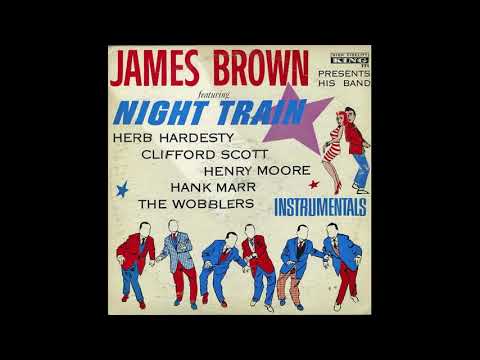
 2:46
2:46Herb Hardesty Just A Little Bit Of Everything
James Brown, L.A.B., Everything Everything, Y&T
1960sStudioRare
Rare soul footage from the 1960s — interviews, studio sessions, and behind-the-scenes clips. Browse 54 clips below.
The 1960s was a transformative decade for music, and soul was at its epicenter. As a genre born out of African-American communities in the late 1950s and early 1960s, soul music brought with it a unique energy that captivated audiences worldwide. Characterized by catchy rhythms, handclaps, and extemporaneous body movements, soul's infectious beat drew listeners in and refused to let go.
One of the defining features of 1960s soul was its emphasis on African-American identity and culture. Artists like James Brown, Aretha Franklin, and Sam Cooke poured their hearts and souls into their music, creating a sonic tapestry that reflected the hopes, struggles, and triumphs of black America. This focus on cultural authenticity helped to establish soul as more than just a genre – it was an expression of community, a celebration of heritage.
Soul's roots in African-American gospel music and rhythm and blues are evident in its use of call-and-response patterns between lead and backing vocalists. The tension and release inherent in this format created a sense of drama and emotional depth that resonated deeply with listeners. Meanwhile, the incorporation of jazz elements added an air of sophistication and complexity to soul's soundscapes.
The 1960s was also a time of great musical innovation, with various styles and sub-genres colliding in exciting ways. The British Invasion brought new influences from across the Atlantic, while psychedelic rock and Motown pushed the boundaries of production and arrangement. In this context, soul music thrived as a unique fusion of gospel, R&B, and jazz.
Behind the scenes, studios like Stax and Muscle Shoals were hubs of creative activity, with producers, engineers, and musicians working together to craft timeless classics. The Maysles brothers' concert films and D.A. Pennebaker's documentaries offer a glimpse into this world, capturing the energy and camaraderie that defined the era.
The 21 clips in our archive for Soul in the 1960s provide a window into this vibrant scene. From Aretha Franklin's iconic performances to James Brown's electrifying stage presence, these films showcase some of the most talented artists of the decade. They also offer a glimpse into the creative process, with behind-the-scenes footage that reveals the hard work and dedication that went into crafting these timeless classics.
As we delve into the world of 1960s soul, it becomes clear that this was more than just a musical genre – it was a cultural movement. Artists like Sam Cooke and Otis Redding used their music as a platform for social commentary, addressing issues like racism and inequality. Meanwhile, the soul sound itself became a source of pride and identity for African-American communities.
The 1960s were a time of great change and upheaval, but in the world of soul music, there was a sense of continuity and tradition. Artists drew on their roots in gospel and R&B to create something new and innovative, while also honoring the legacy of those who came before them.
As we explore this archive, we invite you to immerse yourself in the sights and sounds of 1960s soul. Let the infectious rhythms and emotional intensity transport you to a bygone era, one that was marked by creativity, passion, and a deep sense of purpose.
Curated from public records and music databases.
The 1960s was a decade of relentless musical innovation. The British Invasion, psychedelia, Motown, folk protest, and the birth of heavy rock all collided. The Beatles, Rolling Stones, Jimi Hendrix, Bob Dylan, and James Brown were redefining what popular music could be. Behind the scenes, studios like Abbey Road, Muscle Shoals, and Stax were laboratories of sound. This decade produced some of the most fascinating behind-the-scenes footage ever captured — from D.A. Pennebaker’s fly-on-the-wall documentaries to the Maysles brothers’ concert films.
Soul music is a popular music genre that originated in African-American communities throughout the United States in the late 1950s and early 1960s. Catchy rhythms, stressed by handclaps and extemporaneous body movements, are an important hallmark of soul. Other characteristics are a call and response between the lead and backing vocalists, an especially tense vocal sound, and occasional improvisational additions, twirls, and auxiliary sounds. Soul music is known for reflecting African-American ...
All Soulfootage →2:46James Brown, L.A.B., Everything Everything, Y&T
 2:12
2:12Stevie Wonder, R.E.M., The Rolling Stones, T.O.K., The Jackson 5, The Temptations, Elvis Presley, The Supremes, The Beatles, NME, Bobby Darin, Rolling Stones
 6:15Advisory
Marvin Gaye, R.E.M., The House Band, The Temptations, The Funk Brothers, The Supremes, Concert
 3:06
3:06Stevie Wonder, R.E.M., The Rolling Stones, T.O.K., The Jackson 5, The Temptations, Elvis Presley, The Supremes, The Beatles, Bobby Darin, Rolling Stones
![Thumbnail for Jerry Williams - What's The Matter With You Baby [Calla] 1967 Funky Soul 45 by J.O.E., Ray Charles, Willi Williams, Jackie Wilson, Y&T](https://img.youtube.com/vi/weqwgRaxrhQ/hqdefault.jpg) 2:23
2:23J.O.E., Ray Charles, Willi Williams, Jackie Wilson, Y&T
 1:06
1:06Stevie Wonder, R.E.M., The Rolling Stones, The Jackson 5, The Temptations, Elvis Presley, The Supremes, The Beatles, NME, Bobby Darin, Rolling Stones, Cher
 2:41
2:41Queen, Aretha Franklin
 2:28
2:28R.E.M., Aretha Franklin
 0:56
0:56lovin', Otis Redding, Queen, Aretha Franklin, soo
 27:26
27:26R.E.M., Aretha Franklin
 1:25
1:25Stevie Wonder, R.E.M., The Rolling Stones, The Jackson 5, The Temptations, Elvis Presley, The Supremes, The Beatles, NME, Bobby Darin, Rolling Stones
 4:40
4:40The Contours, James Brown, Rufus Thomas, The Chi-Lites, Little Anthony, Delbert McClinton, Tower of Power, Hank Ballard
 3:11
3:11The Chambers Brothers, Eric Clapton, Wilson Pickett, Linda Ronstadt, Johnny Winter, James Brown, The Sound, Vanilla Fudge, The Rolling Stones, Joe Perry, The Temptations, The Four Tops, Derek Trucks, Ronnie Spector, Joni Mitchell, The Beatles, Janis Joplin, The Ronettes, Diana Ross, Cream, Joe Cocker, The Who, Carole King, Keb' Mo', Mitch Ryder, The Doors, Joan Jett, Jimi Hendrix, Susan Tedeschi, Elton John, Tower of Power, Stephen Stills, Rolling Stones, Van Morrison, Grateful Dead
 3:31
3:31Stevie Wonder, duke ellington s, R.E.M., Louis Armstrong, The Rolling Stones, The Jackson 5, The Temptations, Elvis Presley, Duke Ellington, The Supremes, The Beatles, NME, Rolling Stones, duke ellington re
 2:33
2:33Stevie Wonder, duke ellington s, R.E.M., Louis Armstrong, The Rolling Stones, The Jackson 5, The Temptations, Elvis Presley, Duke Ellington, The Supremes, The Beatles, NME, Rolling Stones, duke ellington re
 2:34
2:34Stevie Wonder, duke ellington s, R.E.M., The Rolling Stones, The Jackson 5, The Temptations, Elvis Presley, Duke Ellington, The Supremes, The Beatles, NME, Ella Fitzgerald, Rolling Stones, duke ellington re
 2:57
2:57Stevie Wonder, R.E.M.
 2:49
2:49The Contours, Stevie Wonder, R.E.M., Harold Melvin, Harold Melvin & the Blue Notes
 7:51
7:51The Staple Singers, R.E.M., Otis Redding, Eddie Floyd, Elvis Presley, Neil Diamond, Wayne Jackson, The Righteous Brothers, The Mar-Keys
 3:26
3:26Marvin Gaye, R.E.M., Ringo Starr, Phil Collins, Ween, Woody Guthrie
 2:14
2:14Stevie Wonder, R.E.M., The Rolling Stones, The Jackson 5, The Temptations, Elvis Presley, The Supremes, The Beatles, NME, Ella Fitzgerald, Rolling Stones
 3:20
3:20Stevie Wonder, R.E.M., The Rolling Stones, The Jackson 5, The Temptations, Elvis Presley, The Beach Boys, The Supremes, The Beatles, NME, Rolling Stones
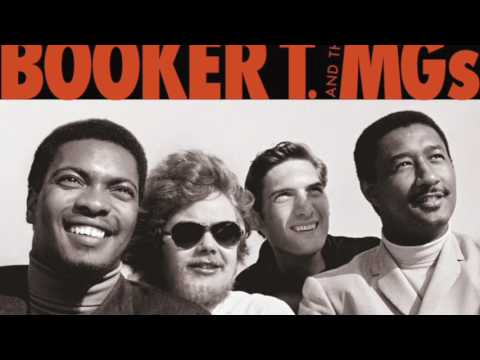 2:31
2:31Wilson Pickett, R.E.M., Otis Redding, Eddie Floyd, The House Band, Booker T. & the MG's, The Band, Ween, Neil Young, Ride, The Beatles, Steve Cropper, The La's, The Mar-Keys, Sting
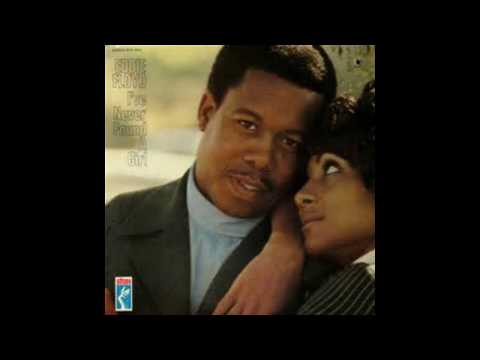 3:01
3:01Wilson Pickett, Otis Redding, Eddie Floyd, Mack Rice, Rufus Thomas, The Temptations, Stew, The Four Tops, Janis Joplin, Steve Cropper, David Bowie, Johnnie Taylor, Songwriter, Y&T
 1:59
1:59Stevie Wonder, NME
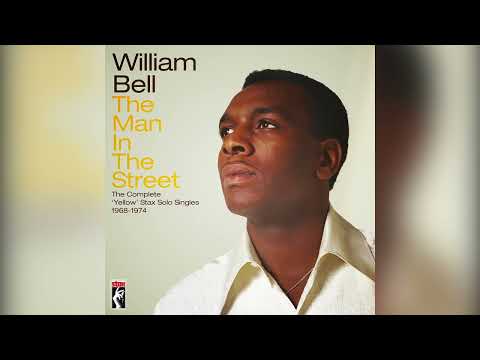 3:54
3:54The Staple Singers, Otis Redding, The Bar-Kays, Isaac Hayes
 2:30
2:30The Staple Singers, R.E.M., Otis Redding, The Four Tops, Jerry Lee Lewis, The Byrds, John Lee Hooker, The Bar-Kays, Isaac Hayes
 2:58
2:58The Staple Singers, Otis Redding, The Bar-Kays, Isaac Hayes
 2:45
2:45The Staple Singers, R.E.M., Otis Redding, The Four Tops, Jerry Lee Lewis, The Byrds, John Lee Hooker, The Bar-Kays, Isaac Hayes
 2:53
2:53The Staple Singers, R.E.M., Otis Redding, The Four Tops, Jerry Lee Lewis, The Byrds, John Lee Hooker, The Bar-Kays, Isaac Hayes
 3:01
3:01The Staple Singers, R.E.M., Otis Redding, The Four Tops, Jerry Lee Lewis, The Byrds, John Lee Hooker, The Bar-Kays, Isaac Hayes
 2:51
2:51The Staple Singers, R.E.M., Otis Redding, The Four Tops, Jerry Lee Lewis, The Byrds, John Lee Hooker, The Bar-Kays, Isaac Hayes
 2:38
2:38The Staple Singers, R.E.M., Otis Redding, The Four Tops, Jerry Lee Lewis, The Byrds, John Lee Hooker, The Bar-Kays, Isaac Hayes
 3:58
3:58The Staple Singers, R.E.M., Otis Redding, The Four Tops, Jerry Lee Lewis, The Byrds, John Lee Hooker, The Bar-Kays, Isaac Hayes
 0:57
0:57Otis Redding, Songwriter
 20:13
20:13Marvin Gaye, Otis Redding, Ride, Smokey Robinson, Solomon Burke
 2:18
2:18Ray Charles, Sam Cooke, Songwriter, Brenton Wood
 2:40
2:40R.E.M., Ray Charles
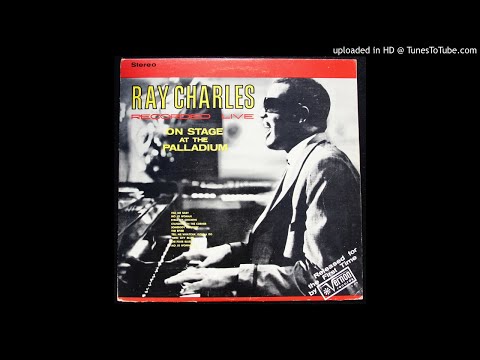 4:20
4:20R.E.M., Ray Charles
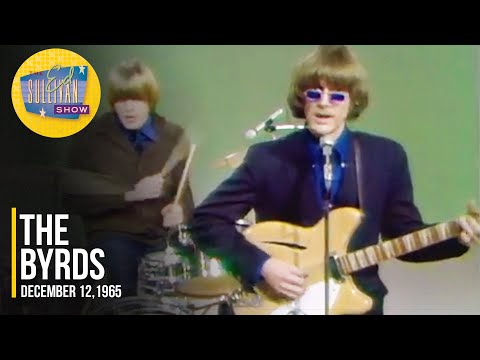 2:11
2:11Stevie Wonder, R.E.M., The Rolling Stones, The Supremes, The Byrds, The Beatles, NME, Rolling Stones
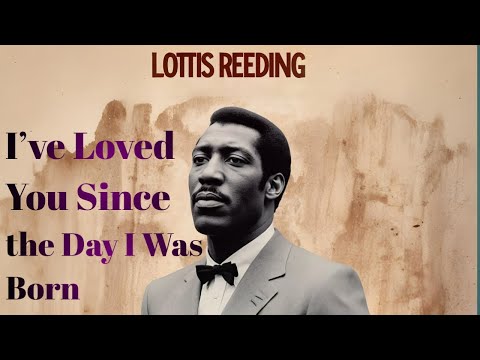 5:09
5:09Otis Redding, Ray Charles, Rhythm and blues
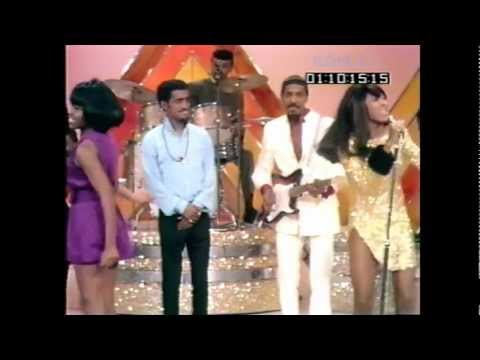 6:19
6:19Tina Turner
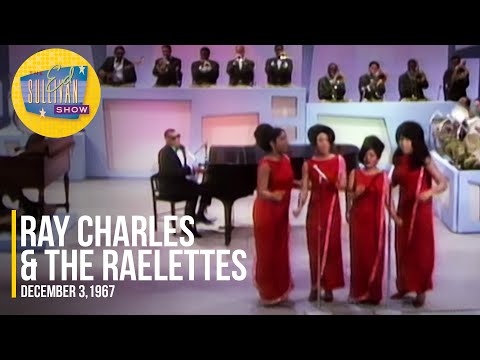 3:53
3:53Ray Charles
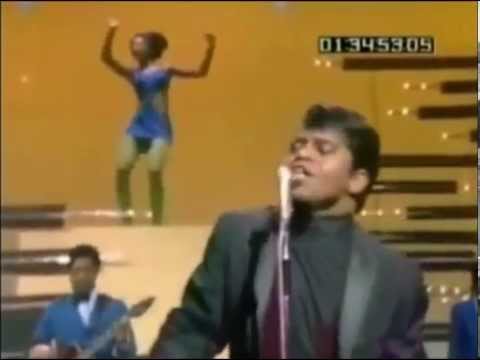
James Brown
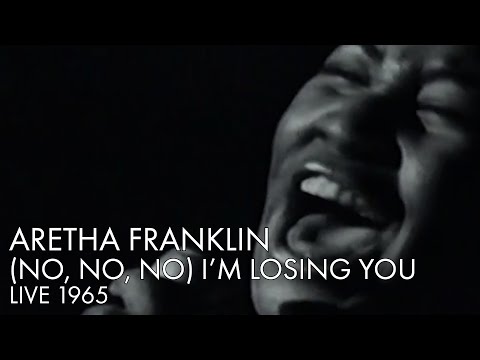
Aretha Franklin
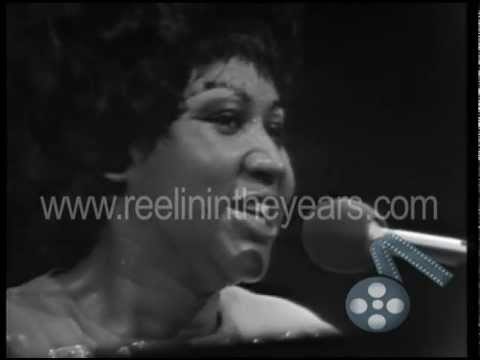
Aretha Franklin
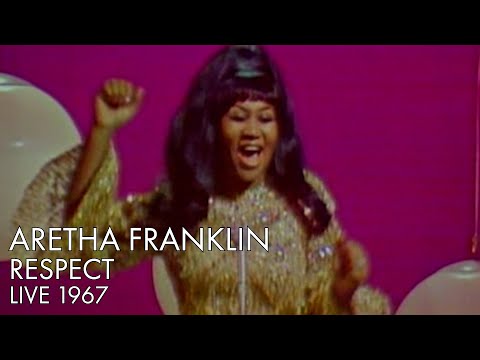 2:25
2:25Aretha Franklin
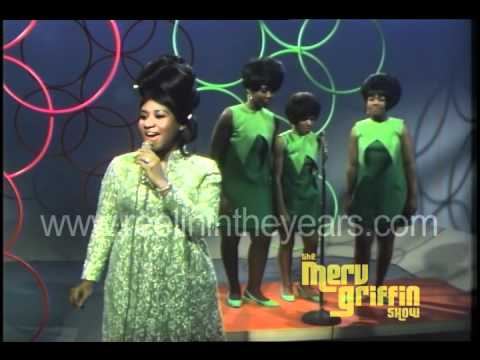 3:56
3:56Aretha Franklin
Otis Redding
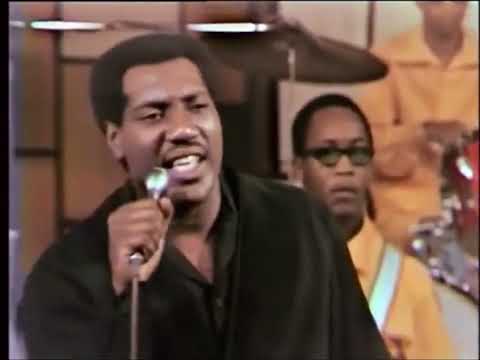
Otis Redding
Otis Redding
James Brown
Aretha Franklin
![Thumbnail for Stevie Wonder- "I Was Made To Love Her"/Interview 1967 [Reelin' In The Years Archives] by Stevie Wonder](https://img.youtube.com/vi/ykezvBZd35w/hqdefault.jpg)
Stevie Wonder