0 views
Share this clip
Michigan Water Blues- live. Clancy Hayes, Yank Lawson, Lou McGarity, Peanuts Hucko, plus. Aspen 1964
Parental AdvisoryExplicit ContentKnow someone who'd love this clip?
Share it with friends and fellow fans.
Share this clip
Know someone who'd love this clip?
Share it with friends and fellow fans.
The video has photos taken from one of London's secret treasures. God's Own Junkyard at Walthamstow is an incredible place. A treasure trove of neon signs and other vintage signs, general memorabila, great background music and a very good cafe - "The Rolling Scones". The photos do not do any justice to this superb venue - and it is free entry. Check the website for information about opening days and times (it is sometimes closed for private functions) and information on the late D**k Bracey who founded the Museum. As for the music, it is a great tune and one that features 9 times in the Clancy Hayes vocal discography. Here Clancy is with some of the true greats of jazz - as their band name suggested and who would argue. Thanks to all subscribers to CHJ. Enjoy.
Michael Andrew "Peanuts" Hucko was an American big band musician. His primary instrument was the clarinet, but he sometimes played saxophone.
More about Peanuts Hucko→Added
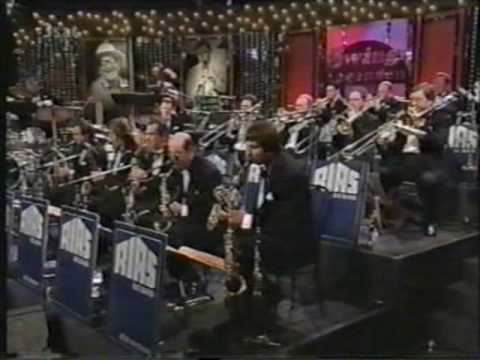
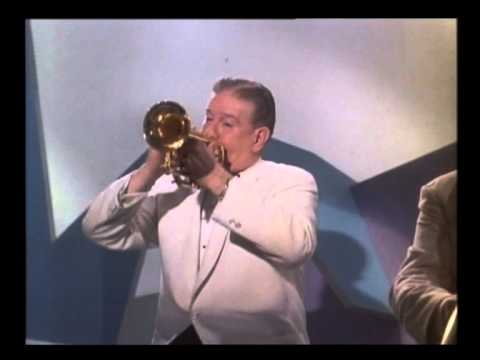
This rare live footage of Peanuts Hucko, a renowned American big band musician, performing in Aspen, Colorado in 1964 is a treasure trove for jazz enthusiasts and historians alike. The clip, which clocks in at 3:40 minutes, features Hucko on clarinet, accompanied by an all-star lineup that includes Clancy Hayes on vocals, Yank Lawson on trumpet, Lou McGarity on trombone, and Peanuts Hucko's fellow musicians.
The significance of this footage lies not only in the exceptional talent of the performers but also in its rarity. The fact that it has been preserved and shared with the public is a testament to the dedication of those who have worked tirelessly to safeguard the legacy of these jazz greats. As such, this clip serves as an invaluable resource for music scholars, researchers, and fans seeking to understand the evolution of jazz during the 1960s.
One of the most striking aspects of this performance is the musical chemistry between Hucko and his fellow musicians. The camaraderie and rapport they share on stage are palpable, lending a sense of authenticity to their rendition of "Michigan Water Blues." The song itself, which appears nine times in Clancy Hayes' vocal discography, showcases the band's ability to craft memorable melodies that blend seamlessly with Hucko's virtuosic clarinet playing.
The Aspen setting adds an extra layer of interest to this performance. In 1964, jazz was still a relatively niche genre, and for these musicians to be performing in such a picturesque location speaks to their reputation as among the best in the business. The fact that they were able to draw a crowd in this remote corner of Colorado highlights the enduring appeal of live music, even in the face of changing musical landscapes.
The inclusion of Peanuts Hucko's name in the title is also noteworthy, given his relatively low profile compared to some of his contemporaries. As a clarinetist and saxophonist, Hucko was an integral part of many big bands during the 1940s and 1950s, but his contributions often flew under the radar. This clip serves as a fitting tribute to his remarkable talent and dedication to the art form.
In terms of historical context, this performance takes place at a pivotal moment in jazz history. The 1960s saw a shift towards more experimental and free-form sounds, led by innovators like Ornette Coleman and John Coltrane. Meanwhile, traditionalists like Clancy Hayes continued to push the boundaries of swing and big band music.
Ultimately, this rare live footage of Peanuts Hucko and his fellow musicians serves as a poignant reminder of the rich cultural heritage that underpins jazz. It is a testament to the power of live performance to transcend time and place, connecting audiences across generations with the timeless beauty of this enduring art form.
Curated from public records and music databases.
 2:50
2:50The Sound, R.E.M., L.A.B., Mani
 0:31
0:31Floyd Newman
![Thumbnail for June Carter - I Pitched My Tent (On The Old Camp Ground) [Feat. Johnny Cash] by Johnny Cash, Johnny Carter, Luke, John Carter Cash, June Carter Cash](https://img.youtube.com/vi/z4HzFX-uqis/hqdefault.jpg) 2:30
2:30Johnny Cash, Johnny Carter, Luke, John Carter Cash, June Carter Cash
 45:07
45:07R.E.M., L.A.B., Traditional singer, Music festival, Youth, Sting