About This Footage
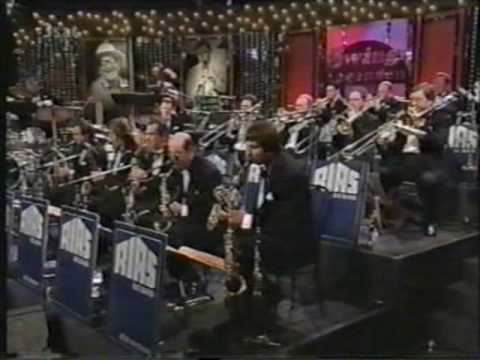
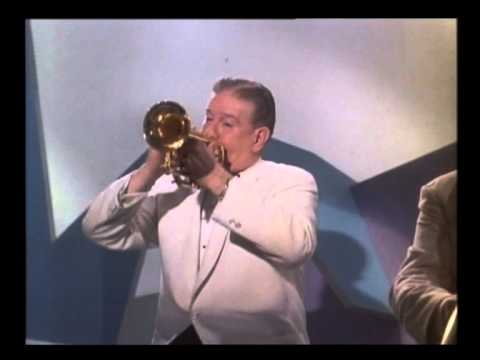
The vintage music clip of Peanuts Hucko performing "Don't Be That Way" is a rare gem that offers a fascinating glimpse into the life and artistry of this American big band musician. At 2:57 minutes long, the footage provides an intimate look at Hucko's technical skill and musicality.
Notable for its rarity, the clip is a testament to the enduring legacy of Peanuts Hucko, whose primary instrument was the clarinet, although he occasionally played saxophone. As a member of various big bands, including those led by Benny Goodman, Artie Shaw, and Les Brown, Hucko's contributions to the genre are well-documented. However, this specific clip stands out for its unique perspective on his artistry.
The performance itself is captivating, with Hucko's clarinet work showcasing his mastery of the instrument. The way he navigates the complex melodic lines and harmonies is a testament to his technical skill, while also conveying the emotional depth that is characteristic of great jazz musicians. His phrasing and tone are expressive, imbuing the music with a sense of spontaneity and freedom.
One aspect of this clip that sets it apart from other performances is its vintage quality. The footage itself appears to be from an era when film technology was still in its early stages, lending an air of nostalgia to the viewing experience. The visual and audio qualities are somewhat rough around the edges, which only adds to the clip's charm.
The context in which this performance took place is also worth considering. "Don't Be That Way" is a well-known standard, written by Benny Goodman and Edgar Sampson. Its inclusion in Hucko's repertoire speaks to his versatility as a musician, able to navigate both original compositions and established classics with equal ease.
Furthermore, the clip's brevity belies its significance within the broader context of jazz history. As a rare performance from a renowned musician, it provides valuable insight into the evolution of big band music during the mid-20th century. Hucko's contributions to this genre are often overlooked in favor of more prominent figures, making this footage all the more precious as a window into his artistry.
In addition to its historical value, the clip is also notable for its technical quality. The audio and video have been preserved with care, allowing viewers to appreciate the nuances of Hucko's performance without distraction. This level of attention to detail speaks to the dedication of those responsible for archiving this footage, who have ensured that it remains accessible to music enthusiasts today.
Ultimately, the Peanuts Hucko clip is a must-see for anyone interested in jazz history or vintage music performances. Its rarity and historical significance make it an essential addition to any collection of rare artists' footage. Even at just over two minutes long, this performance packs a punch, offering a glimpse into the world of big band music during its heyday.
Curated from public records and music databases.