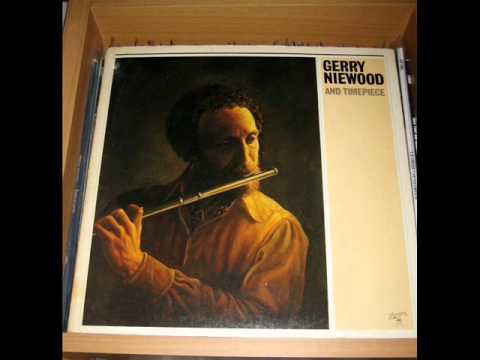
Gerry Niewood
About Gerry Niewood
American saxophone (tenor, soprano) and flute player, born April 6, 1943 in Rochester, N.Y., died in a plane crash near Buffalo, New York on February 12th, 2009. Gerry Niewood was best known for his association with Chuck Mangione. Niewood was a talented multi-instrumentalist who had appealing sounds and styles on tenor, soprano, and flute. He attended the University of Buffalo and first joined Mangione's band in 1968, but continued studying until he gained a degree from the Eastman School of Music in 1970. Niewood was with Mangione through 1976 and appeared on most of his famous records, adding a strong jazz flavor to the music; however, his solo career never achieved real success (he recorded two obscure albums, in 1976 and 1978, as a leader for A&M). Niewood had a post-bop quartet with Dave Samuels from 1976-1977, led the Sunday Morning Jazz Band in the early '80s, and played with Joe Beck a few years later. But he mostly worked in the studios and freelanced in low-profile jobs until rejoining Mangione in the mid-'90s when the flügelhornist began his comeback -- although Niewood's 2004 album Facets proved the saxophonist/flutist's strengths as a session leader in his own right during the 21st century. He played with Mangione up until February 12, 2009, when, tragically, Niewood and bandmate Coleman Mellett died in the crash of Colgan Air Flight 3407 en route from Newark to Buffalo, where they were scheduled to appear with Mangione and the Buffalo Philharmonic Orchestra the following evening.
Read more on Wikipedia →Origin
Discography
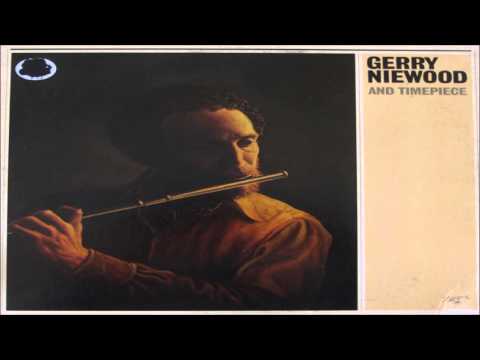
The Gerry Niewood Album (1975)
Share My Dream (1985)
Child's Play (1987)
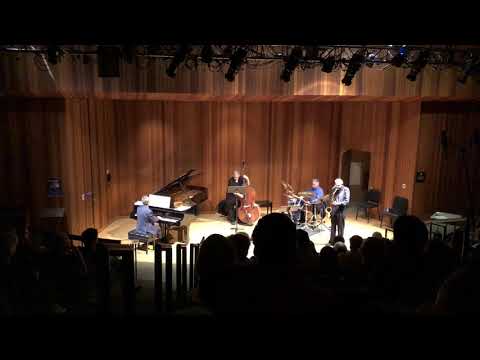
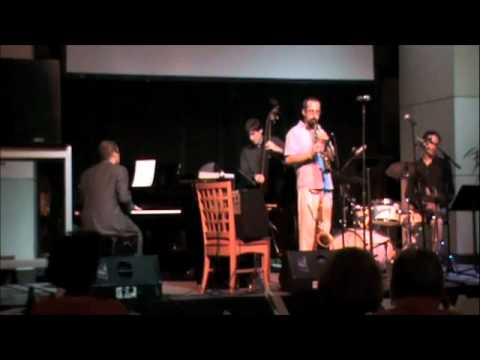
Gerry Niewood — Rare Footage & Clips
Gerry Niewood's contributions to music history are multifaceted and far-reaching, spanning over four decades as a masterful saxophonist, flautist, and multi-instrumentalist. His association with Chuck Mangione is undoubtedly one of the most significant aspects of his career, yet it represents only a fraction of his extensive experience in the music industry.
One of the earliest recorded instances of Niewood's talents can be seen in footage from 1975, featured on DeepCutsArchive, where he showcases his tenor and soprano saxophone skills on his self-titled album. The video provides an intimate glimpse into Niewood's artistry, highlighting his expressive phrasing and nuanced tone. This early work demonstrates the foundation upon which his later success with Mangione would be built.
Niewood's tenure with Mangione, from 1968 to 1976, was a pivotal period in both musicians' careers. During this time, he appeared on many of Mangione's iconic records, infusing them with a distinctive jazz flavor that captivated audiences worldwide. The significance of their collaboration cannot be overstated; it not only elevated Niewood's profile but also contributed to the widespread popularity of smooth jazz during the 1970s.
A closer examination of Niewood's discography reveals a diverse range of styles and collaborations, extending beyond his association with Mangione. Albums such as Share My Dream (1985) and Child's Play (1987) showcase his ability to adapt to various musical contexts, from post-bop quartets to jazz-rock fusion. These recordings demonstrate Niewood's versatility as an artist, capable of navigating multiple genres while maintaining a distinctive voice.
The 2004 album Facets marked a significant turning point in Niewood's career, as he emerged as a confident leader and session musician in his own right. This work not only highlighted his growth as an artist but also underscored the enduring appeal of his sound. The fact that Facets was released nearly two decades into the 21st century underscores Niewood's remarkable ability to adapt and evolve within the ever-changing landscape of modern jazz.
Niewood's association with Chuck Mangione is often cited as a defining aspect of his career, yet it also serves as a poignant reminder of the transience of life in the music industry. The tragic loss of both Niewood and Coleman Mellett in the 2009 plane crash near Buffalo, New York, was a devastating blow to fans and fellow musicians alike. Their scheduled appearance with Mangione and the Buffalo Philharmonic Orchestra would have been a fitting tribute to their enduring contributions to jazz.
The significance of Niewood's legacy extends beyond his association with Mangione or any single album. His dedication to his craft, evident throughout his extensive discography, has left an indelible mark on the world of jazz. As a masterful saxophonist and flautist, he brought a unique perspective to each project he undertook, consistently pushing the boundaries of what was possible within the genre.
Niewood's influence can be seen in the work of numerous contemporary musicians, who have been inspired by his innovative approach to jazz. His ability to seamlessly blend different styles and genres has created a lasting impact on the music world, transcending generations and geographical boundaries.
In addition to his artistic contributions, Niewood's educational background is also noteworthy. Having attended the University of Buffalo and later graduating from the Eastman School of Music in 1970, he embodied the ideal of a dedicated musician committed to ongoing education and self-improvement.
The DeepCutsArchive footage featuring Gerry Niewood provides an invaluable resource for music enthusiasts, historians, and scholars alike. By preserving these rare and intimate recordings, we are able to appreciate the full range of Niewood's talents and experience his artistry in a more nuanced and authentic manner.
Ultimately, Gerry Niewood's legacy serves as a testament to the enduring power of jazz as an art form. His dedication to his craft, combined with his willingness to explore new sounds and styles, has left an indelible mark on the music world. Through his association with Chuck Mangione, his solo work, and his collaborations with other musicians, Niewood's influence will continue to be felt for generations to come.
As we reflect on the life and career of Gerry Niewood, it becomes clear that his impact extends far beyond the realm of jazz itself. His story serves as a poignant reminder of the transience of life and the importance of cherishing every moment. In an industry often marked by fleeting fame and ephemeral success, Niewood's dedication to his craft stands as a shining example of what it means to be a true artist.
The Gerry Niewood page on DeepCutsArchive is more than just a tribute to his remarkable career – it serves as a testament to the enduring power of jazz to inspire, uplift, and connect us all.
Curated from public records and music databases.