Captain Beefheart — Rare Footage & Clips
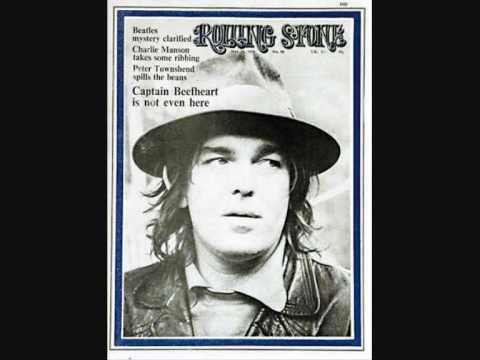
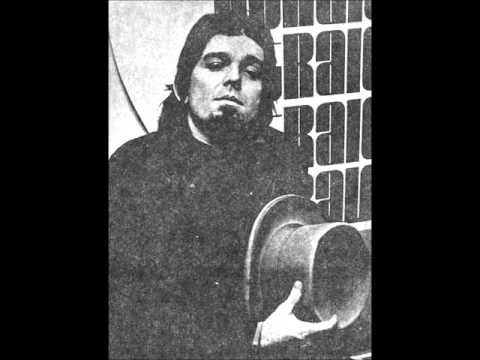
The enigmatic Captain Beefheart, a figure shrouded in mystery, left an indelible mark on the music landscape. His irreverent style, a maelstrom of blues, free jazz, rock, and avant-garde composition, defied categorization, much like his own persona. Born Don Glen Vliet on January 15, 1941, he would go on to craft an oeuvre that would captivate those who dared to venture into the uncharted territories of sound.
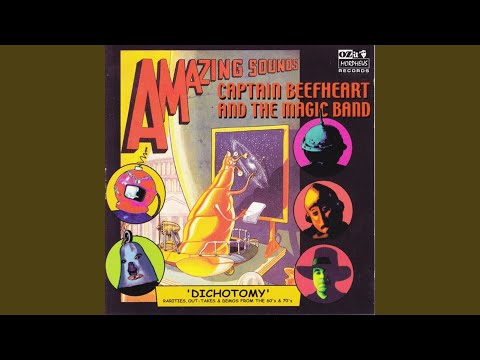
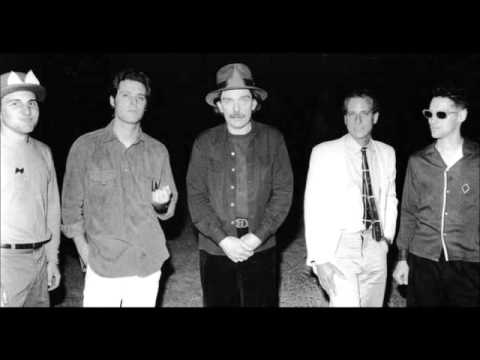
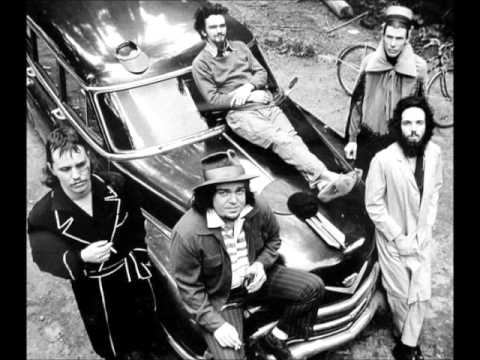
The Magic Band, a rotating ensemble of talented musicians, was Beefheart's trusted accomplice in his sonic experiments. Formed in 1964, this collective would become the backbone of his artistic endeavors, providing the framework for albums like The Spotlight Kid (1972) and Bongo Fury (1975). These records showcased Beefheart's unique blend of rhythms, wordplay, and vocal acrobatics, cementing his reputation as a visionary artist.
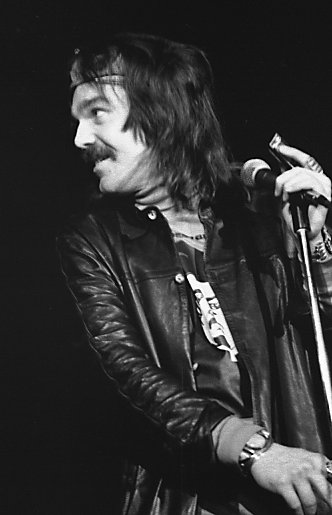
One of the most striking aspects of Captain Beefheart's work is its ability to transcend genres. His music is an amalgamation of influences, from the bluesy swagger of Robert Johnson to the free-jazz explorations of Ornette Coleman. This eclecticism is perhaps best exemplified on Live From Copenhagen 10.31.1975, a live recording that captures the band's frenetic energy and Beefheart's commanding stage presence.
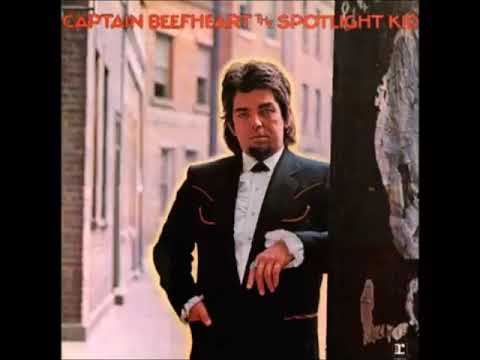
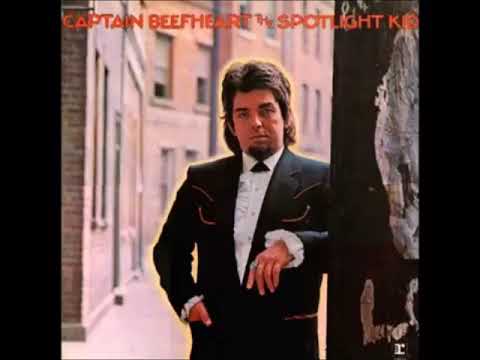
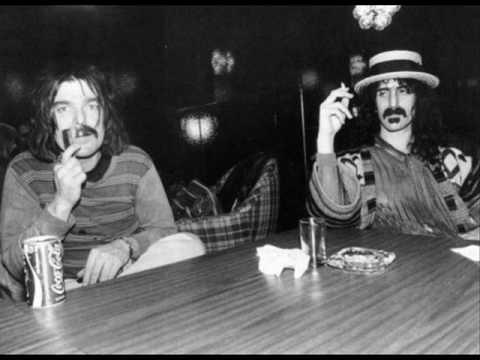
The Spotlight Kid, released in 1972, marked a significant turning point in Beefheart's career. Produced by Frank Zappa, this album saw the Magic Band refining their sound, incorporating more complex arrangements and textures. The result was a work that balanced Beefheart's idiosyncratic vision with a newfound sense of cohesion.
Beefheart's influence on experimental rock and punk-era artists cannot be overstated. His willingness to push boundaries and challenge conventional norms inspired a generation of musicians, from the Velvet Underground to the Sex Pistols. Even today, his music continues to inspire new waves of innovators, who seek to tap into the same creative wellspring that fueled Beefheart's work.
Despite achieving little commercial success during his lifetime, Captain Beefheart sustained a devoted cult following. His enigmatic persona and dictatorial control over the Magic Band only added to his mystique. This air of mystery has endured long after his passing on December 17, 2010, leaving behind a legacy that continues to fascinate and inspire.
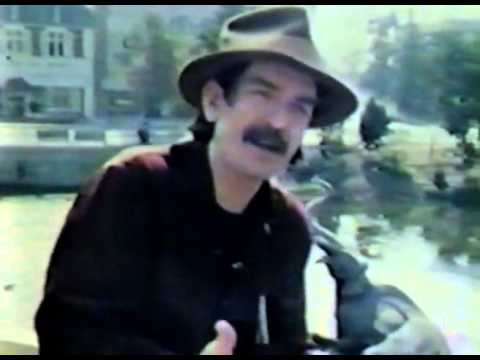
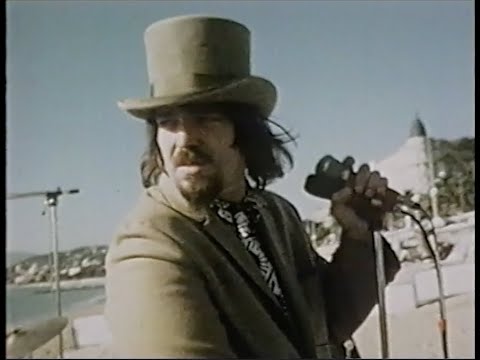
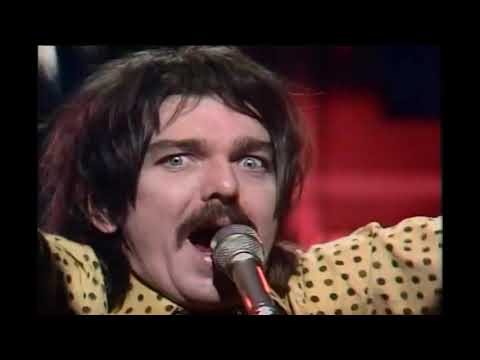
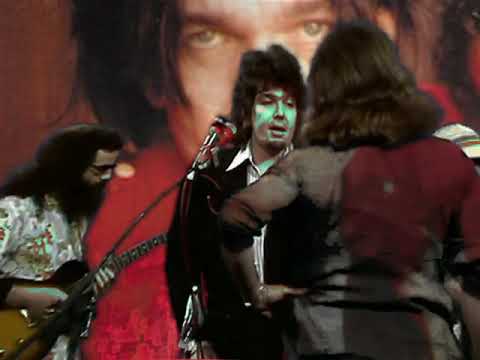
The archive holds several clips from Captain Beefheart's performances, offering glimpses into the raw energy and intensity of his live shows. One such clip, taken from Merseytrout - Live in Liverpool 1980 (2000), captures the band's frenetic pace and Beefheart's commanding stage presence. In this performance, he delivers a blistering rendition of "Zig Zag Wanderer," his voice soaring through the venue as the Magic Band propels him forward.
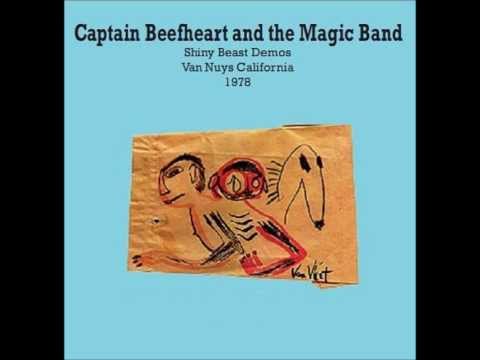
Beefheart's visual artistry also warrants attention. As a painter and sculptor, he explored themes of abstraction and surrealism, often incorporating found objects and materials into his work. This multidisciplinary approach reflects his boundless creative energy, which knew no bounds in either music or visual art.
A Carrot Is As Close As a Rabbit Gets To a Diamond (1993), a compilation album released during Beefheart's later years, offers a fascinating glimpse into his post-1982 output. Featuring a mix of studio recordings and live performances, this collection showcases the artist's continued experimentation with new sounds and styles.
In the 1990s, Beefheart began to reissue some of his earlier work, including The Best Beefheart (1990) and I May Be Hungry but I Sure Ain't Weird: The Alternate Captain Beefheart (1992). These releases not only provided a fresh perspective on his music but also served as a testament to his enduring influence.
Captain Hook (1993), another compilation album from this period, highlights the artist's ability to blend disparate elements into a cohesive whole. Featuring tracks from various sources, including studio recordings and live performances, this collection demonstrates Beefheart's willingness to push boundaries and challenge conventional norms.
Zig Zag Wanderer: The Best of the Buddah Years (1996) serves as a fitting tribute to Beefheart's legacy. This compilation album brings together some of his most iconic tracks, showcasing the artist's unique blend of rhythms, wordplay, and vocal acrobatics.
The Captain Beefheart archive is a treasure trove of sonic experimentation and creative innovation. His music continues to inspire new generations of artists, who seek to tap into the same wellspring of creativity that fueled his work. As we delve deeper into this enigmatic figure's oeuvre, one thing becomes clear: Captain Beefheart's impact on music history will endure for years to come.
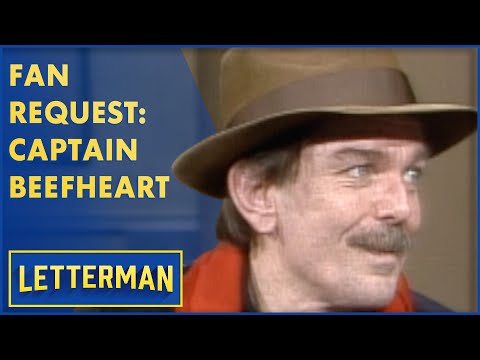
The image of Captain Beefheart remains etched in our collective consciousness – a figure shrouded in mystery, yet radiating an aura of creative intensity. His legacy serves as a testament to the power of art to transcend boundaries and challenge conventional norms. As we continue to explore his music and visual artistry, one thing becomes clear: Captain Beefheart's impact on music history will only continue to grow.
Curated from public records and music databases.