About This Footage
In 1980, Captain Beefheart sat down with Paul Moyer for KABC-TV's Eyewitness News, offering a rare glimpse into the mind of one of rock's most enigmatic figures. This 6:57 interview, preserved in high quality on YouTube, is a treasure trove of insight into the artist's creative process and philosophical musings.
At this point in his career, Captain Beefheart was no stranger to controversy. His experimental approach to music had alienated some fans, while others saw him as a visionary. The Magic Band, his rotating ensemble, had just wrapped up a grueling tour in support of their 1980 album, Doc at the Radar Station. This footage captures the artist in a state of flux, reflecting on the creative process and the role of chance in shaping his art.
The interview itself is a masterclass in Captain Beefheart's unique blend of humor, intelligence, and mysticism. He discusses the importance of spontaneity in music-making, revealing that even some of his most iconic compositions were born from improvisation. "Nowadays A Woman's Gotta Hit A Man," one of the tracks featured in this rehearsal footage, is a prime example of Captain Beefheart's innovative approach to songcraft.
What makes this clip truly remarkable is its candid portrayal of an artist at the height of his creative powers. Unlike many interviews from the time, which often focused on superficial questions about touring and album sales, Moyer's conversation with Captain Beefheart delves into the deeper issues driving his art. The result is a nuanced and thought-provoking exploration of the creative process that continues to inspire artists today.
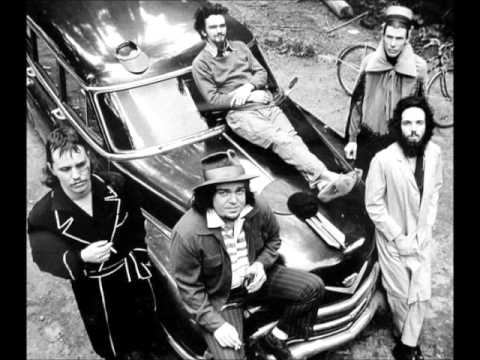
This footage also offers a rare opportunity to witness the Magic Band in rehearsal mode. The ensemble's chemistry is palpable as they work through arrangements for "The Smithsonian Institute Blues (or the Big Dig)" and "A Carrot is as Close as a Rabbit Gets to a Diamond." These songs, with their intricate rhythms and abstract lyrics, showcase Captain Beefheart's commitment to pushing the boundaries of rock music.
Watching this interview, one can't help but be struck by the artist's unwavering dedication to his vision. Despite the commercial success he had achieved in the late 1960s and early 1970s with songs like "Electricity" and "Abba Zaba," Captain Beefheart continued to defy expectations, experimenting with new sounds and styles that often left fans and critics bewildered.
As we watch Captain Beefheart discuss his approach to music-making, we're reminded of the importance of taking risks in the creative process. His willingness to challenge conventional norms has inspired generations of musicians, from punk rockers like The Sex Pistols to avant-garde acts like Talking Heads.
In the end, this interview is more than just a fascinating glimpse into the life and times of Captain Beefheart – it's a testament to the power of artistic vision and the enduring legacy of one of rock's most innovative figures.
Curated from public records and music databases.