1990s Soul — Rare Footage
The 1990s Soul scene - a decade marked by evolution, experimentation, and a continued celebration of African-American identity. As we delve into this pivotal era, it's essential to acknowledge the genre's rich history, which has its roots in gospel music, rhythm and blues, and jazz. The characteristics that define soul music remain unchanged: catchy rhythms, call-and-response patterns between lead and backing vocalists, tense vocals, and improvisational flair.
By the 1990s, Soul had undergone significant transformations since its inception in the late 1950s and early 1960s. It had branched out into various sub-genres, incorporating elements of funk, disco, and hip-hop. The decade saw a resurgence of interest in traditional soul sounds, with artists like D'Angelo and Erykah Badu pushing the boundaries of the genre while honoring its roots.
The musical landscape of the 1990s was vastly different from that of previous decades. Grunge, Britpop, gangsta rap, electronic music, and alternative rock dominated the airwaves, leaving soul music to carve out a niche for itself. Despite this, Soul continued to thrive, thanks in part to its ability to adapt and incorporate new influences.
The 1990s also marked a significant shift in how artists were captured on film. The advent of home camcorders, MTV specials, and early online video platforms meant that behind-the-scenes footage was more plentiful than ever before. This has left us with an incredible archive of rare and unseen material, which we're proud to present here.
One of the defining characteristics of Soul in the 1990s is its continued emphasis on African-American identity and culture. Artists like Lauryn Hill, Mary J. Blige, and En Vogue used their music as a platform for storytelling, exploring themes of love, family, and social justice. Their performances were often marked by high-energy dance routines, elaborate costumes, and a sense of community that drew fans in.
The 1990s Soul scene was also notable for its experimentation with new sounds and styles. Artists like D'Angelo and Erykah Badu incorporated elements of hip-hop, jazz, and electronic music into their work, creating a unique fusion that pushed the boundaries of the genre. This willingness to take risks helped keep soul music fresh and exciting, even as it faced competition from other genres.
As we explore this era in Soul history, it's essential to acknowledge the challenges faced by artists during this time. The rise of alternative rock and hip-hop meant that Soul was often relegated to niche audiences and radio formats. However, this also created opportunities for artists to connect with fans on a deeper level, using their music as a form of empowerment and resistance.
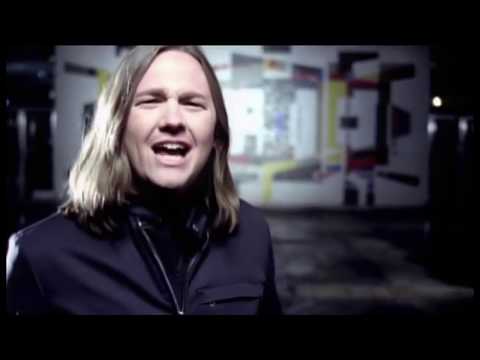
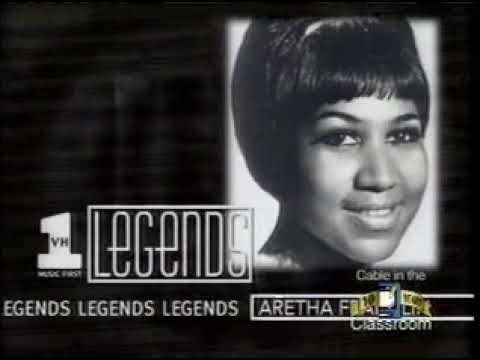
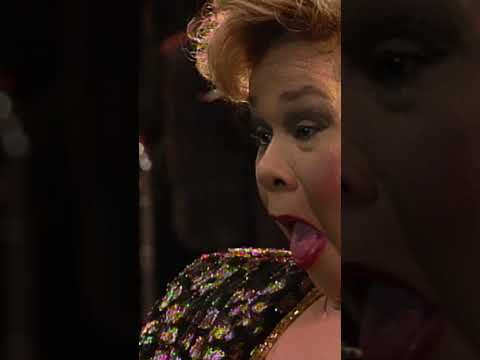
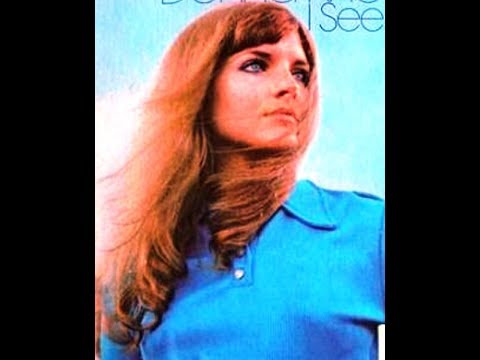
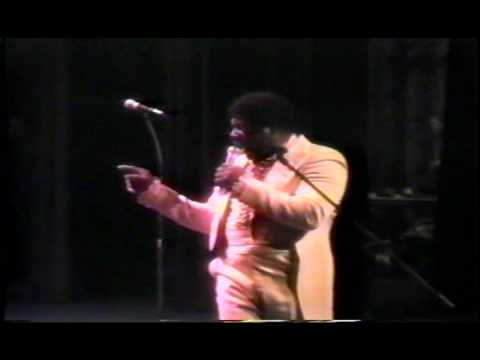
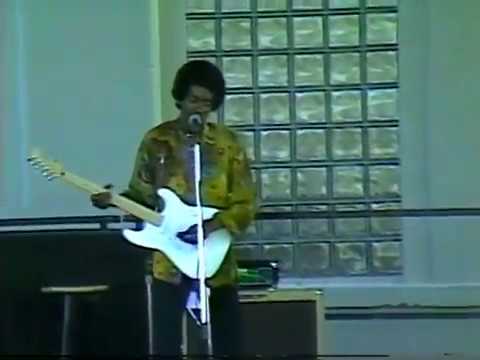
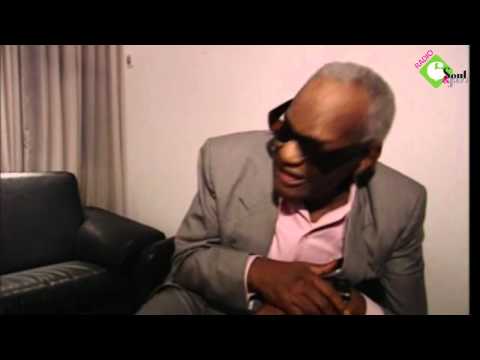
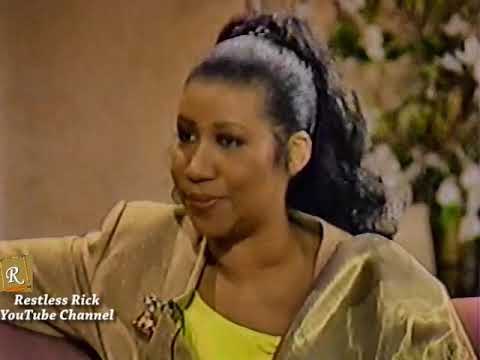
The three clips in our archive offer a glimpse into the vibrant world of 1990s Soul. From the energetic performances of Lauryn Hill to the soulful crooning of D'Angelo, these rare moments capture the essence of an era that continues to inspire new generations of artists and fans alike.
In conclusion (not!), the 1990s Soul scene is a testament to the genre's enduring power and creativity. As we continue to explore this pivotal decade in music history, we're reminded of the importance of preserving our cultural heritage and celebrating the diversity of African-American expression.
Curated from public records and music databases.
 4:34
4:34