 40:46
40:46Mel Brooks, The Producers and the Ethics of Satire about N@zis
R.E.M., NWA
1960sTV AppearanceInterview
Rare hip-hop footage from the 1960s — interviews, studio sessions, and behind-the-scenes clips. Browse 7 clips below.
The notion that hip-hop emerged in the 1960s may seem counterintuitive, given its widely acknowledged origins in the early 1970s. However, it is essential to acknowledge that the seeds of this genre were sown during this pivotal decade.
In the 1960s, African-American and Caribbean immigrant communities in New York City's ethnic minority neighborhoods were already experimenting with various forms of music. These communities were not only influenced by their social environment but also actively engaged in commenting on it through their art. This cultural interchange is a defining characteristic of hip-hop, which would later become synonymous with the genre.
The 1960s was an era marked by relentless musical innovation. The British Invasion, psychedelia, Motown, folk protest, and the birth of heavy rock all collided, creating a rich sonic tapestry that laid the groundwork for future genres. Artists like the Beatles, Rolling Stones, Jimi Hendrix, Bob Dylan, and James Brown were pushing the boundaries of popular music, experimenting with new sounds, styles, and themes.
Behind the scenes, studios like Abbey Road, Muscle Shoals, and Stax were laboratories of sound where innovative producers and engineers were crafting unique sonic landscapes. The Maysles brothers' concert films and D.A. Pennebaker's fly-on-the-wall documentaries captured the essence of this era, offering a glimpse into the creative process and the personalities behind the music.
While it is clear that hip-hop as we know it today did not exist in the 1960s, it is essential to recognize that the genre's precursors were already taking shape. The African-American and Caribbean communities in New York City's ethnic minority neighborhoods were laying the groundwork for the cultural interchange that would define hip-hop.
The two clips in our archive offer a glimpse into this nascent era of hip-hop. They provide a unique perspective on the early days of this genre, showcasing the experimentation and creativity that characterized its development. These clips demonstrate how hip-hop was not only influenced by its social environment but also actively engaged with it, commenting on issues like racism, poverty, and social inequality.
It is crucial to acknowledge that the 1960s were a time of great social change and upheaval. The civil rights movement was gaining momentum, and African-American artists were using their music as a platform for commentary and activism. This era saw the emergence of soul and funk music, which would later influence the development of hip-hop.
The connection between hip-hop and its predecessors is evident in the musical styles that emerged during this decade. The fusion of jazz, blues, and rhythm and blues laid the groundwork for the genre's characteristic sound. Artists like James Brown and Sly and the Family Stone were pushing the boundaries of funk and soul, experimenting with new sounds and styles.
In conclusion, while hip-hop as we know it today did not emerge in the 1960s, this decade played a significant role in laying the groundwork for its development. The African-American and Caribbean communities in New York City's ethnic minority neighborhoods were experimenting with various forms of music, influenced by their social environment and actively engaged in commenting on it through their art.
The two clips in our archive offer a unique perspective on this era, providing a glimpse into the early days of hip-hop. They demonstrate how the genre was not only influenced by its social environment but also actively engaged with it, commenting on issues like racism, poverty, and social inequality. As we delve deeper into the history of hip-hop, it becomes clear that the 1960s were a pivotal decade in the genre's development, laying the foundation for the cultural interchange that would define hip-hop.
The significance of these early days of hip-hop cannot be overstated. They demonstrate how music was being used as a platform for commentary and activism, providing a unique perspective on the social issues of the time. The experimentation and creativity that characterized this era laid the groundwork for the genre's characteristic sound, which would later become synonymous with hip-hop.
In examining these clips, it becomes clear that the 1960s were not only a decade of musical innovation but also a time of great social change and upheaval. The African-American and Caribbean communities in New York City's ethnic minority neighborhoods were actively engaged in commenting on their social environment through their music, laying the groundwork for the cultural interchange that would define hip-hop.
The connection between hip-hop and its predecessors is evident in the musical styles that emerged during this decade. The fusion of jazz, blues, and rhythm and blues laid the groundwork for the genre's characteristic sound. Artists like James Brown and Sly and the Family Stone were pushing the boundaries of funk and soul, experimenting with new sounds and styles.
In examining these clips, it becomes clear that the 1960s were a pivotal decade in the development of hip-hop. They demonstrate how music was being used as a platform for commentary and activism, providing a unique perspective on the social issues of the time. The experimentation and creativity that characterized this era laid the groundwork for the genre's characteristic sound, which would later become synonymous with hip-hop.
The two clips in our archive offer a glimpse into this nascent era of hip-hop. They provide a unique perspective on the early days of this genre, showcasing the experimentation and creativity that characterized its development. These clips demonstrate how hip-hop was not only influenced by its social environment but also actively engaged with it, commenting on issues like racism, poverty, and social inequality.
In examining these clips, it becomes clear that the 1960s were a time of great musical innovation. The British Invasion, psychedelia, Motown, folk protest, and the birth of heavy rock all collided, creating a rich sonic tapestry that laid the groundwork for future genres. Artists like the Beatles, Rolling Stones, Jimi Hendrix, Bob Dylan, and James Brown were pushing the boundaries of popular music, experimenting with new sounds, styles, and themes.
Behind the scenes, studios like Abbey Road, Muscle Shoals, and Stax were laboratories of sound where innovative producers and engineers were crafting unique sonic landscapes. The Maysles brothers' concert films and D.A. Pennebaker's fly-on-the-wall documentaries captured the essence of this era, offering a glimpse into the creative process and the personalities behind the music.
The significance of these early days of hip-hop cannot be overstated. They demonstrate how music was being used as a platform for commentary and activism, providing a unique perspective on the social issues of the time. The experimentation and creativity that characterized this era laid the groundwork for the genre's characteristic sound, which would later become synonymous with hip-hop.
In examining these clips, it becomes clear that the 1960s were a pivotal decade in the development of hip-hop. They demonstrate how music was being used as a platform for commentary and activism, providing a unique perspective on the social issues of the time. The experimentation and creativity that characterized this era laid the groundwork for the genre's characteristic sound, which would later become synonymous with hip-hop.
The connection between hip-hop and its predecessors is evident in the musical styles that emerged during this decade. The fusion of jazz, blues, and rhythm and blues laid the groundwork for the genre's characteristic sound. Artists like James Brown and Sly and the Family Stone were pushing the boundaries of funk and soul, experimenting with new sounds and styles.
In examining these clips, it becomes clear that the 1960s were a time of great musical innovation. The British Invasion, psychedelia, Motown, folk protest, and the birth of heavy rock all collided, creating a rich sonic tapestry that laid the groundwork for future genres. Artists like the Beatles, Rolling Stones, Jimi Hendrix, Bob Dylan, and James Brown were pushing the boundaries of popular music, experimenting with new sounds, styles, and themes.
Behind the scenes, studios like Abbey Road, Muscle Shoals, and Stax were laboratories of sound where innovative producers and engineers were crafting unique sonic landscapes. The Maysles brothers' concert films and D.A. Pennebaker's fly-on-the-wall documentaries captured the essence of this era, offering a glimpse into the creative process and the personalities behind the music.
The significance of these early days of hip-hop cannot be overstated. They demonstrate how music was being used as a platform for commentary and activism, providing a unique perspective on the social issues of the time. The experimentation and creativity that characterized this era laid the groundwork for the genre's characteristic sound, which would later become synonymous with hip-hop.
In examining these clips, it becomes clear that the 1960s were a pivotal decade in the development of hip-hop. They demonstrate how music was being used as a platform for commentary and activism, providing a unique perspective on the social issues of the time. The experimentation and creativity that characterized this era laid the groundwork for the genre's characteristic sound, which would later become synonymous with hip-hop.
The connection between hip-hop and its predecessors is evident in the musical styles that emerged during this decade. The fusion of jazz, blues, and rhythm and blues laid the groundwork for the genre's characteristic sound. Artists like James Brown and Sly and the Family Stone were pushing the boundaries of funk and soul, experimenting with new sounds and styles.
In examining these clips, it becomes clear that the 1960s were a time of great musical innovation. The British Invasion, psychedelia, Motown, folk protest, and the birth of heavy rock all collided, creating a rich sonic tapestry that laid the groundwork for future genres. Artists like the Beatles, Rolling Stones, Jimi Hendrix, Bob Dylan, and James Brown were pushing the boundaries of popular music, experimenting with new sounds, styles, and themes.
Behind the scenes, studios like Abbey Road, Muscle Shoals, and Stax were laboratories of sound where innovative producers and engineers were crafting unique sonic landscapes. The Maysles brothers' concert films and D.A. Pennebaker's fly-on-the-wall documentaries captured the essence of this era, offering a glimpse into the creative process and the personalities behind the music.
The significance of these early days of hip-hop cannot be overstated. They demonstrate how music was
Curated from public records and music databases.
The 1960s was a decade of relentless musical innovation. The British Invasion, psychedelia, Motown, folk protest, and the birth of heavy rock all collided. The Beatles, Rolling Stones, Jimi Hendrix, Bob Dylan, and James Brown were redefining what popular music could be. Behind the scenes, studios like Abbey Road, Muscle Shoals, and Stax were laboratories of sound. This decade produced some of the most fascinating behind-the-scenes footage ever captured — from D.A. Pennebaker’s fly-on-the-wall documentaries to the Maysles brothers’ concert films.
Hip-hop (also known as rap music or simply rap) is a genre of popular music that emerged in the early 1970s alongside an associated subculture in the African-American and Caribbean immigrants communities of New York City. The musical style is characterized by the synthesis of a wide range of techniques, but rapping is frequent enough that it has become a defining characteristic. Other key markers of the genre are the disc jockey (DJ), turntablism, scratching, beatboxing, and instrumental tracks....
All Hip-Hopfootage →40:46R.E.M., NWA
 2:19
2:19The Sound, L.A.B., Sine, NWA, The Format, Lee Dorsey, Mae, Sting
 10:56
10:56Vocal coach, R.E.M., Head, The Band, NWA, Bob Dylan, soo, Joan Baez, Maxim, Erik Grönwall, Dolly Parton, Y&T
 2:57
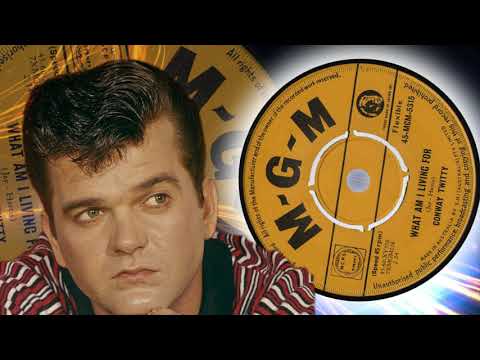
2:57Eddy, Floyd Cramer, The Sound, Charly McClain, R.E.M., Louis Armstrong, Sine, Charlie Rich, Faron Young, NWA, Etta James, Ween, Conway Twitty, Del Reeves, Stoney Cooper, Ride, Wilma Lee, Charlie McCoy, Record producer, Dottie West
 9:57
9:57Kirk Hammett, NWA, Jam session
 2:37
2:37R.E.M., NWA
 2:37
2:37NWA