About This Footage
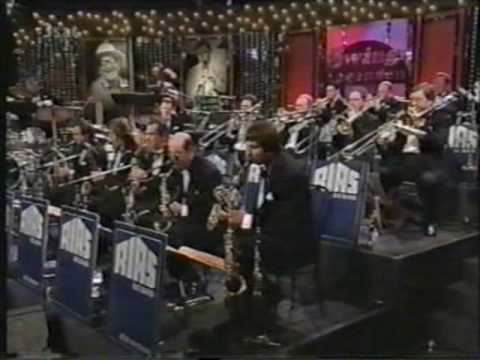
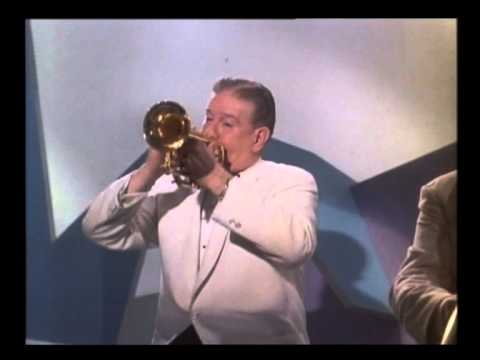
The 1964 clip "Peanuts Hucko - Falling Tears" is a rare gem that offers a fascinating glimpse into the career of American big band musician Michael Andrew "Peanuts" Hucko. As a renowned clarinetist, Hucko's work was deeply rooted in the traditional jazz scene, but this particular footage showcases his foray into the emerging bossa nova style.
The fact that this clip is tagged as "Rare" immediately piques our interest, suggesting that it may be one of the few surviving recordings of Hucko performing in this genre. The YouTube description provides a crucial context, attributing the song to 1964 and crediting Hucko alongside Louise Tobin as co-writers. This collaboration highlights the intersection of jazz and bossa nova, two styles that were beginning to converge during this period.
The clip itself is a brief but captivating 2:19 minutes, giving viewers a taste of Hucko's unique approach to the clarinet in the context of bossa nova. The description mentions that Hucko "goes bossa nova" on this track, implying a deliberate departure from his traditional big band roots. This experimentation is all the more intriguing given the relatively early date of 1964, when the bossa nova movement was still gaining momentum.
The clip's rarity and historical significance are underscored by its inclusion in the "Laurie 3220" series, which suggests a connection to a specific label or collection of recordings from this era. The Laurie Records catalog is itself a treasure trove for jazz enthusiasts, with many rare and obscure sessions documented within its archives.
Hucko's involvement in this project also speaks to his willingness to adapt and evolve as an artist. As a prominent figure in the big band scene, he must have been aware of the shifting musical landscape and the growing influence of bossa nova on American jazz. By embracing this new style, Hucko demonstrated a commitment to innovation and a desire to stay relevant in a rapidly changing musical environment.
The "Peanuts Hucko - Falling Tears" clip is not only a valuable addition to any jazz collection but also a testament to the artist's versatility and open-mindedness. As we continue to explore the rich tapestry of American jazz, this rare footage serves as a poignant reminder of the genre's capacity for evolution and cross-pollination with other styles.
In examining this clip, it becomes clear that Hucko's experimentations in bossa nova were not merely a passing fad but rather an integral part of his artistic growth. This brief but captivating performance provides a unique window into the musical currents of 1964, when jazz and bossa nova were beginning to intersect in fascinating ways.
Ultimately, the "Peanuts Hucko - Falling Tears" clip stands as a significant find for anyone interested in the intersection of jazz and bossa nova during this pivotal period. Its rarity and historical significance make it an essential addition to any collection focused on American jazz or the early days of bossa nova.
Curated from public records and music databases.
![Thumbnail for June Carter - I Pitched My Tent (On The Old Camp Ground) [Feat. Johnny Cash] by Johnny Cash, Johnny Carter, Luke, John Carter Cash, June Carter Cash](https://img.youtube.com/vi/z4HzFX-uqis/hqdefault.jpg)