About This Footage
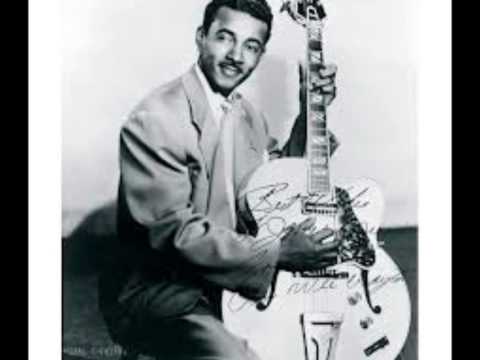
The 2:36 clip of Pee Wee Crayton's "Hillbilly Blues" has been unearthed, providing a rare glimpse into the career of this influential American R&B and blues guitarist and singer. Recorded in 1962 with Robert "Bumps" Blackwell's orchestra in Los Angeles, this track is a notable example of Crayton's work during the early days of New Orleans rhythm and blues.
The label "Hillbilly Blues" may seem incongruous given the song's lively, upbeat tempo. However, it's possible that this classification was a nod to the genre-bending nature of R&B music at the time. The term "hillbilly" often referred to country or folk influences in popular music, and Crayton's blend of blues and New Orleans rhythms may have been seen as an unusual combination by some listeners.
The collaboration with Robert "Bumps" Blackwell's orchestra is also worth noting. Blackwell was a prominent figure in the development of R&B and rock 'n' roll, having worked with artists such as Little Richard and Sam Cooke. His involvement on this track suggests that Crayton was part of a larger musical landscape, one that was pushing the boundaries of popular music at the time.
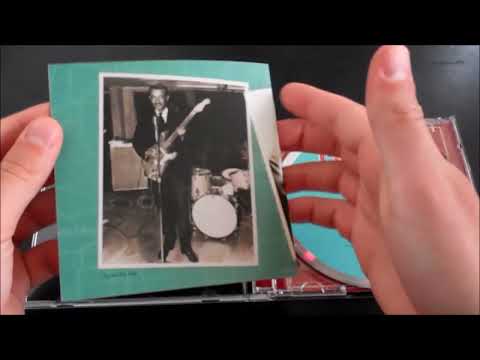
The sound quality of this clip is likely to be of interest to fans of vintage R&B and blues. The audio has been ripped from a compilation LP called "After Hours Boogie," which was released by Blues Boy Records (mr R&B productions). This suggests that the clip may have originated from a rare or hard-to-find source, making it all the more valuable for collectors and enthusiasts.
Pee Wee Crayton's own career is also worth examining in light of this footage. Active from 1914 to 1985, Crayton was a prolific musician who worked in a variety of genres, including R&B, blues, and country. His music often featured his distinctive guitar playing style, which blended elements of blues, jazz, and country.
The "Hillbilly Blues" clip provides a unique window into Crayton's work during the early 1960s. At this point in his career, he was likely experimenting with new sounds and styles, drawing on influences from both R&B and country music. This blend of genres would go on to shape the course of popular music in the years that followed.
In terms of historical significance, this clip is a valuable addition to any collection of rare R&B and blues footage. It offers a glimpse into the creative process of Pee Wee Crayton during a pivotal moment in his career, and provides a unique perspective on the development of New Orleans rhythm and blues.
Curated from public records and music databases.