About This Footage
This 1996 demo tape is a rare glimpse into the nascent math rock scene, a style that would soon captivate audiences with its intricate complexities and unconventional structures. The footage, labeled "SchoolHouse Rock Math Rock Demo," offers a window into the creative process of an artist who was experimenting with the genre's defining characteristics: complex rhythms, counterpoint, and extended chords.
At this point in time, math rock was still finding its footing, drawing inspiration from the likes of King Crimson and Rush. Bands like Polvo and Don Caballero were already making waves, but it wasn't until the mid-to-late 1990s that math rock began to coalesce into a distinct movement. This demo tape is a testament to the genre's DIY ethos, with artists self-recording and producing their own music in small studios or even home environments.
What makes this footage particularly significant is its rarity. With only a handful of copies existing, it's a treasure trove for fans and collectors of math rock. The fact that it was recorded in 1996, a pivotal moment in the genre's development, adds to its historical importance. This demo tape offers a unique perspective on the creative process, showcasing an artist's early experiments with complex time signatures and extended chord progressions.
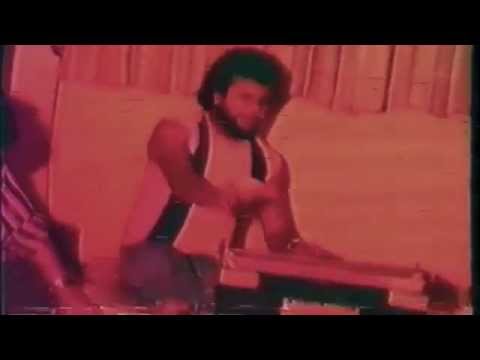
The footage itself is raw and unpolished, reflecting the homemade nature of the recording. The camera captures the artist hunched over a desk, surrounded by music sheets and equipment, as they work through a composition. It's a glimpse into the intense focus required to create this type of music, which demands a high level of technical proficiency from its practitioners.
As viewers watch this footage, they'll gain insight into the creative struggles and triumphs of an artist pushing the boundaries of what was considered "rock" at the time. They'll witness the process of experimentation, as the artist tries out new ideas and techniques, often with unpredictable results. It's a behind-the-scenes look at the making of music that would go on to influence generations of musicians.
Math rock's emphasis on through-composed structure rather than traditional song forms is evident in this demo tape. The artist is working through complex rhythmic patterns, layering multiple time signatures and chord progressions to create a rich, textured sound. It's a testament to the genre's avant-garde ethos, which prioritizes experimentation over commercial appeal.
The footage also highlights the importance of home recording in the development of math rock. Without access to professional studios or equipment, artists were forced to rely on their own ingenuity and resourcefulness to create music that would later be recognized as a distinct style. This DIY approach not only fostered creativity but also allowed for a level of experimentation that might have been stifled by commercial pressures.
As the viewer watches this demo tape, they'll gain a deeper appreciation for the genre's complexities and nuances. They'll see an artist struggling to bring their vision to life, often with imperfect results. But it's precisely this imperfection that makes the footage so compelling – it's a reminder that even the most innovative music begins as a rough idea, scribbled on a piece of paper or recorded in a cramped studio.
The final shot of the demo tape lingers on the artist's face, etched with concentration and frustration. It's a fleeting moment, but one that speaks volumes about the creative process behind math rock. As the camera fades to black, it leaves the viewer with an image that will stay with them long after the footage ends – a glimpse into the intense focus required to create music that challenges and inspires in equal measure.
Curated from public records and music databases.