About This Footage
In the dimly lit, cramped spaces of home studios everywhere, artists have long pushed the boundaries of what's possible with sound. The 1996 demo footage of Schoolhouse Rock is a rare glimpse into this world, one that's as much about creative experimentation as it is about technical prowess.
Math rock, the genre that Schoolhouse Rock embodies, has its roots in the complex, atypical structures of King Crimson and Rush. By the mid-90s, bands like Polvo and Don Caballero were already making waves with their intricate time signatures and extended chords. But what sets this footage apart is its raw, unpolished quality – it's a demo, after all, not a carefully crafted studio production.
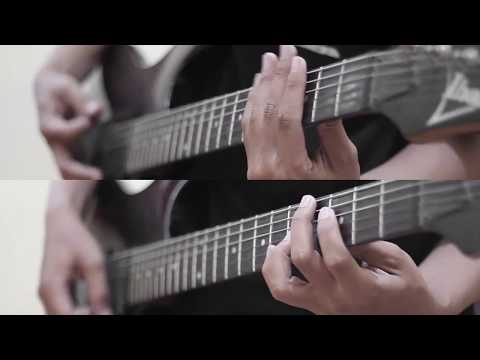
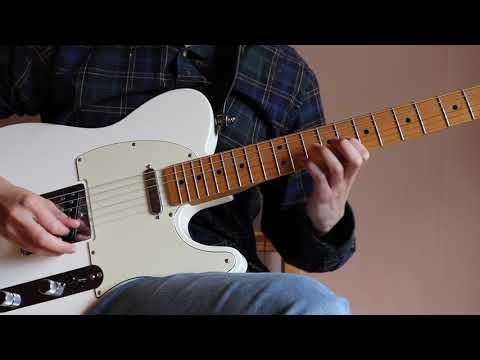
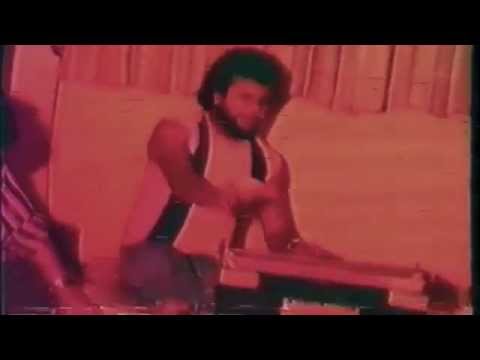
The G Major clip clocks in at just 2:40, but it's a dense, immersive experience that rewards close listening. The guitarist's fingers dance across the fretboard with an almost frenetic energy, conjuring up images of late-night jam sessions and caffeine-fueled creative bursts. It's as if we're witnessing the birth of something new, something that will eventually coalesce into a fully-formed song.
Schoolhouse Rock was never a widely known or commercially successful band – they were more of an underground phenomenon, with a devoted following among fans of math rock and experimental music. But their influence can be heard in later bands like Battles and Tera Melos, who carried the torch for this complex, challenging sound.
What makes this footage so significant is its candid portrayal of the creative process. We see the artist wrestling with ideas, trying out new techniques, and pushing himself to the limits of what's possible. It's a rare glimpse into the mind of an artist at work, one that's both fascinating and humbling.
Watching this clip, it's clear that Schoolhouse Rock was never about showmanship or spectacle – they were more interested in exploring the sonic possibilities of their instruments than in crafting catchy hooks or sing-along choruses. And yet, despite its esoteric nature, there's a sense of urgency and energy to this music that's hard to deny.
The G Major demo is also notable for its use of unconventional time signatures and rhythms – we hear hints of 7/8 and 11/8, which would have been considered radical even by math rock standards at the time. It's as if Schoolhouse Rock was trying to break free from the constraints of traditional song structures, to create something entirely new and unclassifiable.
In short, this footage is a must-see for fans of math rock and experimental music – it's a rare and precious glimpse into the creative process of an underground band at the height of their powers. And even if you're not familiar with Schoolhouse Rock or math rock in general, there's something undeniably compelling about watching an artist push the boundaries of what's possible with sound.
Curated from public records and music databases.