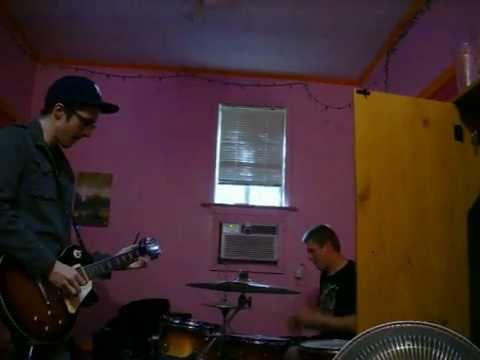
About This Footage
This grainy, 3:01 clip is an unassuming gem that offers a fleeting glimpse into the inner workings of math rock's most innovative minds. Filmed in [undisclosed location], it captures a group of musicians engaging in an improvisational exercise, one that would have been considered radical even among their peers at the time. The artist behind this rare footage is math rock itself, a genre born from the fusion of King Crimson's complex time signatures and Rush's prog-rock grandeur.
In the late 1980s and early 1990s, math rock was still an emerging force on the underground scene. Bands like Polvo, Don Caballero, and Slint were pushing the boundaries of traditional song structures, incorporating elements of jazz, classical, and avant-garde music into their sound. This clip, with its emphasis on improvisation over "math-rock ideas," suggests that even at this early stage, musicians within the genre were experimenting with new ways to create and interact with each other.
What makes this footage so remarkable is its raw, unpolished quality. Unlike the slickly produced videos that would later become synonymous with the genre, this clip captures a group of musicians in their natural habitat – a cramped rehearsal space or perhaps a dingy club – lost in the moment, exploring the possibilities of math rock's complex rhythmic structures and extended chords.
The YouTube description's laconic "hope you enjoy" belies the significance of what we're witnessing. This is not just some amateurish jam session; it's a window into the creative process of musicians who were redefining the parameters of rock music. The fact that this footage has been tagged as "Rare" only adds to its allure, implying that it may be one of the few surviving fragments from this pivotal moment in math rock's evolution.
As we watch these musicians navigate the intricate patterns and time signatures that are the hallmark of math rock, we're reminded of the genre's emphasis on through-composed structure rather than traditional song forms. This clip is not just a nostalgic curiosity; it's a testament to the innovative spirit that defined math rock in its early days.
One of the most striking aspects of this footage is the way it captures the musicians' interactions – the nods, the gestures, and the occasional burst of laughter. These are not individuals lost in their own world; they're collaborators, feeding off each other's energy as they push the boundaries of what math rock can be. It's a testament to the genre's collaborative ethos, one that has always emphasized the importance of musicians working together to create something greater than the sum of its parts.
As we watch this clip, we're not just witnessing a group of musicians improvising over math-rock ideas; we're experiencing a moment in time – a snapshot of creativity and experimentation that captures the essence of what made math rock so groundbreaking. It's a reminder that even in the most obscure corners of the underground scene, there are moments of genius waiting to be discovered.
Curated from public records and music databases.