Flat-footing with John Dee Holeman and Algia Mae Hinton (2 of 9) (1983)
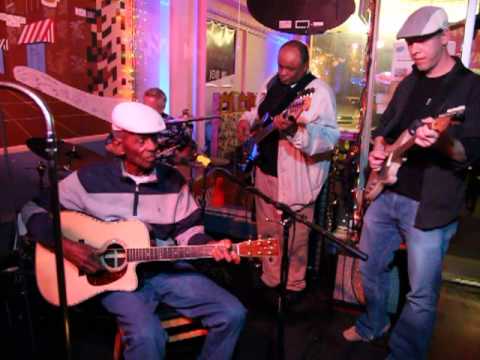
John Dee Holeman, Algia Mae Hinton, and friends flat-foot. Shot by Alan Lomax and crew at Algia Mae Hinton's home in Johnston County, North Carolina, July 29, 1983. For more videos from the American Patchwork fieldwork and information about Alan Lomax and his collections, visit: https://culturalequity.org. [03.28.03]
About This Footage
The unassuming title of "Flat-footing with John Dee Holeman and Algia Mae Hinton (2 of 9) (1983)" belies the significance of this footage, which is a rare glimpse into the traditional music scene in North Carolina during the early 1980s. Shot by Alan Lomax and his crew on July 29, 1983, at Algia Mae Hinton's home in Johnston County, this clip is one of nine segments that showcase the flat-footing dance style.
Flat-footing, a traditional African-American folk dance, is characterized by its energetic movements and rhythmic stomping. It was an integral part of community gatherings and celebrations in the rural South, particularly during the early 20th century. John Dee Holeman, a renowned Piedmont blues guitarist, singer, and songwriter, is seen here participating in this traditional dance with Algia Mae Hinton and their friends.
The presence of Alan Lomax's crew adds another layer of significance to this footage. Lomax was a pioneering musicologist who dedicated his life to documenting American folk music traditions. His extensive fieldwork during the 1930s and 1940s resulted in the collection of countless recordings, which are now considered invaluable resources for understanding the country's musical heritage.
This particular clip is notable not only because of its connection to Lomax's work but also due to the presence of two remarkable artists. John Dee Holeman, who passed away in 2021 at the age of 92, was a master of the Piedmont blues style, which blended elements of Texas blues, R&B, and African-American string-band music. His proficiency as a buckdancer is also worth mentioning, as it highlights his versatility as an artist.
Algia Mae Hinton, on the other hand, was a respected flat-foot dancer and singer in her own right. Her participation in this footage not only showcases her dancing skills but also underscores her importance as a keeper of traditional music and dance practices.
The fact that this clip is part of a larger collection of nine segments adds to its value as a historical document. These recordings, made possible by Lomax's dedication to preserving American folk traditions, provide a unique window into the lives of these artists and their communities during the early 1980s.
In terms of musical significance, this footage serves as a reminder of the importance of traditional music in shaping American culture. The blend of blues, R&B, and African-American string-band influences that Holeman's music embodies is a testament to the country's rich musical heritage.
The rarity of this footage also underscores its value as an archival document. As such, it is essential to preserve these recordings for future generations, ensuring that they remain accessible to researchers, musicians, and anyone interested in understanding America's diverse cultural landscape.
Curated from public records and music databases.
About John Dee Holeman
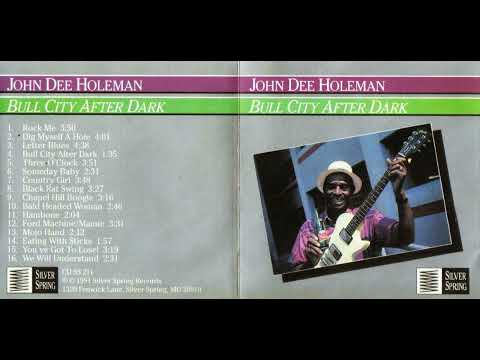
John Dee Holeman (April 4, 1929 – April 30, 2021) was an American Piedmont blues guitarist, singer, and songwriter. His music includes elements of Texas blues, R&B and African-American string-band music.
More about John Dee Holeman→Added
Know someone who'd love this clip?
Share it with friends and fellow fans.