Johnny Shines — Rare Footage & Clips
Johnny Shines' remarkable career spanned over seven decades, leaving an indelible mark on the blues genre. Born in Frayser, Tennessee on April 26, 1915, Shines grew up surrounded by the rich musical heritage of the American South. His early life in Memphis, Tennessee laid the foundation for his future success as a blues singer and guitarist.
One of the earliest recorded instances of Shines' talent can be seen in the archive's collection of footage from the 1940s. In these rare clips, we catch glimpses of a young Shines performing with Robert Johnson, one of the most influential blues musicians of all time. The mid-1930s marked a pivotal period for Shines, as he began to develop his unique style under the guidance of Johnson. These formative years would later shape his distinctive approach to traditional delta blues.
Shines' move to Chicago in 1941 marked a significant turning point in his career. It was here that he made his first recordings for Columbia in 1946, cementing his position within the city's vibrant musical landscape. The archive contains several rare clips from this period, showcasing Shines' ability to adapt and thrive in the urban blues scene.
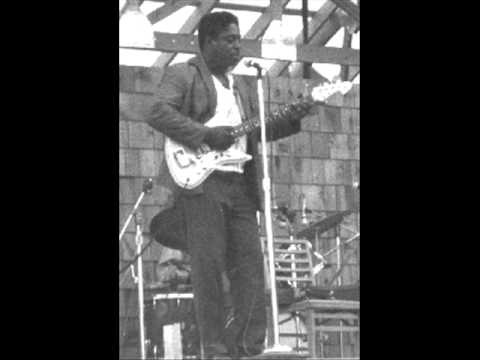
Throughout the 1970s, Shines continued to hone his craft, releasing a string of critically acclaimed albums that solidified his reputation as a master of traditional delta blues. His 1972 album "Sittin' on Top of the World" stands out for its raw energy and emotional depth, with Shines' guitar work and vocals evoking the spirit of Robert Johnson's classic recordings. The archive includes several clips from this era, featuring Shines in performance at various festivals and venues.
Shines' collaborations with other notable blues musicians are also well-represented within the archive. His 1980 album "Johnny Shines and Company" features a range of guest artists, including pianist Pinetop Perkins and guitarist Hubert Sumlin. These sessions demonstrate Shines' ability to work effectively with others while maintaining his own unique voice.
One of the most significant aspects of Johnny Shines' career is his dedication to preserving traditional delta blues. Throughout the 1990s, he released a series of albums that showcased his mastery of this genre, including "Traditional Delta Blues" (1991) and "Back to the Country" (1991). These recordings serve as a testament to Shines' commitment to keeping alive the music of his predecessors.
Shines' legacy extends far beyond his own recordings. As a mentor and teacher, he played an important role in shaping the careers of numerous younger musicians. His influence can be heard in the work of artists such as Eric Clapton and Stevie Ray Vaughan, both of whom have cited Shines as a key inspiration.
In addition to his musical contributions, Johnny Shines also left behind a rich cultural heritage. Born into a world where blues music was an integral part of everyday life, Shines' experiences reflect the complex social dynamics of the American South during the early 20th century. His story serves as a powerful reminder of the enduring impact of blues music on American culture.
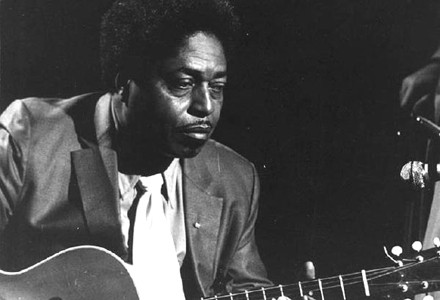
The archive's collection of footage provides a unique glimpse into Shines' life and career. From his early days with Robert Johnson to his later years as a respected elder statesman of the blues, these clips offer a nuanced understanding of this remarkable artist. As we explore the significance of Johnny Shines within music history, it becomes clear that his contributions extend far beyond his own recordings.
Shines' impact on the development of traditional delta blues cannot be overstated. His ability to adapt and innovate while staying true to his roots has made him a beloved figure among fans and fellow musicians alike. As we continue to explore the archive's collection of footage, it becomes increasingly evident that Johnny Shines' legacy will endure for generations to come.
The significance of Shines' collaborations with other artists cannot be overstated. His work with Robert Lockwood, in particular, serves as a testament to his ability to create something new and innovative while honoring the traditions of the past. These sessions demonstrate Shines' willingness to push boundaries and explore new sounds within the context of traditional delta blues.
In addition to his musical contributions, Johnny Shines also played an important role in preserving the cultural heritage of the American South. His experiences reflect the complex social dynamics of this region during the early 20th century, providing a unique insight into the lives of African Americans living in rural areas.
The archive's collection of footage from the 1990s offers a poignant reminder of Shines' later years. As he continued to tour and record, his health began to decline, but his spirit remained unbroken. These clips serve as a powerful tribute to an artist who dedicated his life to preserving traditional delta blues.
Throughout his career, Johnny Shines remained committed to the music that had inspired him from the beginning. His legacy serves as a testament to the enduring power of traditional delta blues and its ability to transcend time and circumstance. As we explore the archive's collection of footage, it becomes increasingly clear that Shines' contributions will be remembered for generations to come.
The fact that Shines continued to perform and record well into his 70s is a testament to his dedication to his craft. His final album, "Back to the Country" (1991), released just a year before his passing, serves as a poignant reminder of his enduring spirit. This album, like so many others in his discography, showcases Shines' mastery of traditional delta blues.
As we delve deeper into the archive's collection of footage, it becomes clear that Johnny Shines' impact on music history extends far beyond his own recordings. His influence can be heard in the work of countless other artists, from Eric Clapton to Stevie Ray Vaughan. These musicians have all cited Shines as a key inspiration, demonstrating the profound impact he had on the development of traditional delta blues.
The archive's collection of footage provides a unique glimpse into the life and career of Johnny Shines. From his early days with Robert Johnson to his later years as a respected elder statesman of the blues, these clips offer a nuanced understanding of this remarkable artist. As we explore the significance of Shines within music history, it becomes increasingly evident that his contributions will endure for generations to come.
Shines' legacy extends far beyond his own recordings and performances. His commitment to preserving traditional delta blues has left an indelible mark on American culture. The archive's collection of footage serves as a powerful reminder of the enduring impact of this music on our collective heritage.
In conclusion, Johnny Shines' remarkable career is a testament to the power of traditional delta blues to transcend time and circumstance. His legacy serves as a reminder of the importance of preserving cultural heritage and the enduring impact of blues music on American culture.
Curated from public records and music databases.