Jazz improvisation — Rare Footage & Clips
Jazz improvisation is the very lifeblood of the genre, its spontaneous creation of melodic solo lines or accompaniment parts elevating the music to an unparalleled level of expressiveness and emotional depth. The archive's collection of rare footage provides a unique glimpse into this most fundamental aspect of jazz, showcasing the artistry and skill of some of the greatest musicians in history.
One clip from the archive that stands out is a 1960s performance by John Coltrane, where he is seen effortlessly navigating a complex chord progression on his saxophone. The way he weaves together seemingly disparate elements – a brief motif here, a harmonic surprise there – creates a sense of tension and release that is quintessentially jazz. It's a masterclass in improvisation, demonstrating the musician's ability to think on their feet while still maintaining a deep understanding of the underlying structure.
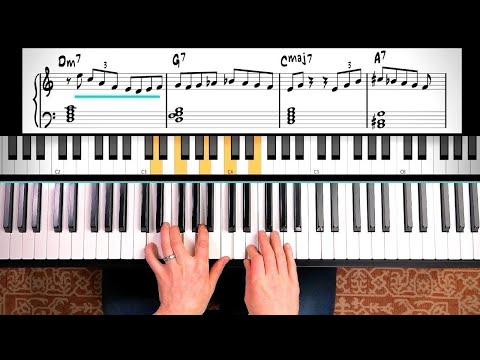
Coltrane's performance is all the more remarkable given the harmonic complexity he's working with. The chord progression itself is not particularly unusual – it's based on the ii-V-I progression, which is a staple of jazz harmony – but Coltrane's use of altered chords and extended harmonies adds an extra layer of sophistication to his playing. This is what sets jazz improvisation apart from other genres: its willingness to push the boundaries of harmonic possibility.
Another clip in the archive features Charlie Parker, widely regarded as one of the greatest saxophonists of all time. In this particular performance, Parker is seen trading solos with a pianist over a series of intricate chord changes. The way he navigates these complex harmonies is nothing short of breathtaking – his tone is rich and full-bodied, yet still somehow manages to convey a sense of lightness and agility.
What's striking about both Coltrane and Parker's performances is the way they seem to be creating music on the spot. There's no sense of premeditation or planning; instead, it feels like they're responding to some internal impulse, allowing their instruments to guide them through the performance. This is the essence of jazz improvisation: the ability to create something new and original in the moment.
Of course, not all jazz musicians are equally adept at improvisation. Some rely too heavily on preconceived ideas or formulas, sacrificing spontaneity for a more predictable sound. But those who truly master this art form – like Coltrane and Parker – are able to tap into something deeper and more profound.
The significance of jazz improvisation in music history cannot be overstated. It's not just a stylistic quirk or a novelty; rather, it represents a fundamental shift in the way musicians approach composition and performance. By abandoning traditional forms and structures, jazz musicians were able to create something entirely new – a music that was both deeply personal and universally relatable.
One of the most important aspects of jazz improvisation is its ability to capture the moment. Unlike classical music or other genres, which often rely on notation and written scores, jazz is all about the here-and-now. It's a music that exists in the present tense, with each performance unique and ephemeral. This is what makes it so compelling – we're not just listening to a recording of a song; we're experiencing something that happened in real-time.
The archive's collection of rare footage provides a fascinating glimpse into this world of improvisation. By witnessing these musicians at work, we gain a deeper understanding of the creative process and the artistry involved. It's not just about watching great players do their thing – it's about seeing the music come alive before our very eyes.
Jazz improvisation is more than just a technique or a style; it's an attitude, a way of approaching music that emphasizes spontaneity and creativity over preconceived notions and formulas. By embracing this approach, musicians are able to tap into something deeper and more profound – a sense of connection with the music itself, as well as with their fellow performers.
Throughout its history, jazz has been shaped by a series of innovations and breakthroughs – from Louis Armstrong's pioneering work in scat singing to Miles Davis's radical redefinition of the trumpet sound. But none of these developments would have been possible without the foundation laid by jazz improvisation. It's the engine that drives the music forward, propelling it into new and uncharted territories.
The archive's collection of rare footage serves as a testament to this enduring legacy. By preserving these performances for future generations, we're able to appreciate the artistry and skill of some of the greatest musicians in history – and perhaps even learn something from their example. As we continue to explore the world of jazz improvisation, we're reminded of its power to inspire and transform us – a true marvel of musical creativity.
Curated from public records and music databases.