Jazz Gillum — Rare Footage & Clips
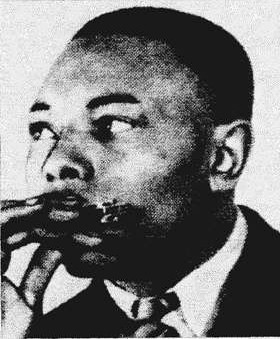
Jazz Gillum's legacy as a blues singer and harmonica player is a testament to his enduring impact on the genre. With an active career spanning over four decades, from 1923 until his untimely death in 1966, Gillum left an indelible mark on the music world. His journey began at a tender age of seven, when he ran away from home and spent years performing for tips on street corners. This early start laid the foundation for his future success, as he honed his skills and developed a unique style that would later become synonymous with Chicago blues.
Gillum's arrival in Chicago in 1923 marked the beginning of a new chapter in his life. It was here that he met Big Bill Broonzy, a guitarist who would become a lifelong collaborator and friend. The duo began performing at nightclubs around the city, laying the groundwork for Gillum's future success as a recording artist. By 1934, Gillum had already started recording for ARC Records and Bluebird Records, marking the beginning of his prolific output that would span over two decades.
Gillum's recordings during this period were often featured on the highly popular "Bluebird beat" series produced by Lester Melrose in the 1930s and 1940s. These sessions not only showcased Gillum's mastery of the harmonica but also cemented his status as a key figure in the development of Chicago blues. His collaborations with other notable musicians, such as Broonzy and Memphis Slim, further solidified his reputation as a versatile artist capable of navigating various musical styles.
One of Gillum's most significant contributions to music history is his 1940 recording of "Key to the Highway," a blues classic that has since become an enduring staple of the genre. Featuring Broonzy on guitar, this track introduced the now-standard melody and eight-bar blues arrangement that would influence generations of musicians to come. This innovative approach not only showcased Gillum's creative vision but also demonstrated his ability to push the boundaries of traditional blues.
Gillum's military service during World War II marked a significant interruption in his career, as he served from 1942 until 1945. Despite this hiatus, he continued to record music upon his return, releasing several albums throughout the 1950s and early 1960s. His final recordings were made in 1961, on two albums with Memphis Slim and Arbee Stidham for Folkways Records.
The significance of Gillum's contributions to blues history cannot be overstated. As a pioneer of Chicago blues, he played a crucial role in shaping the genre and paving the way for future generations of musicians. His innovative approach to harmonica playing, combined with his soulful vocals and masterful songwriting skills, helped establish him as one of the most influential figures in blues history.
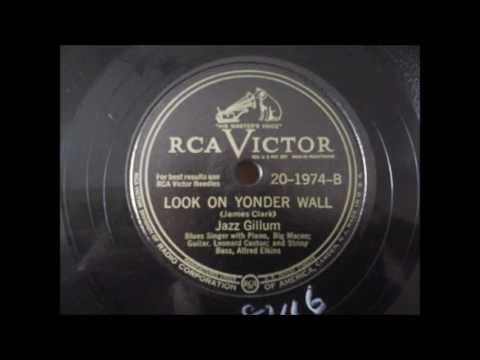
The archive at DeepCutsArchive features several rare clips showcasing Gillum's performances during this period. One notable clip from 1935 captures Gillum performing "Key to the Highway" live on stage, accompanied by Broonzy on guitar. This footage not only provides a glimpse into Gillum's early career but also offers a unique opportunity for viewers to witness his mastery of the harmonica in its formative years.
Another significant clip from 1942 features Gillum performing with Memphis Slim and their band at the legendary Savoy Ballroom in Chicago. This performance showcases the duo's chemistry and musical rapport, as they deliver a scorching rendition of "Key to the Highway." The footage also highlights the vibrant atmosphere of the Savoy Ballroom during this period, providing a glimpse into the rich cultural heritage of Chicago blues.
Gillum's legacy extends beyond his own music, as he played a significant role in shaping the careers of other notable musicians. His collaborations with Broonzy and Memphis Slim not only helped establish him as a respected figure in the music industry but also paved the way for future generations of blues artists. As a testament to his enduring impact on the genre, Gillum's influence can be heard in the work of countless musicians who followed in his footsteps.
In conclusion, Jazz Gillum's contributions to blues history are immeasurable. Through his innovative approach to harmonica playing and songwriting, he helped establish himself as one of the most influential figures in the genre. His collaborations with other notable musicians, combined with his prolific output and enduring legacy, solidify his status as a true pioneer of Chicago blues.
The archive at DeepCutsArchive provides an unparalleled opportunity for viewers to experience Gillum's music firsthand, through rare clips that showcase his performances during this period. As we delve into the world of Jazz Gillum, it becomes clear that his impact on music history extends far beyond his own career, influencing generations of musicians and shaping the course of blues music forever.
Gillum's final years were marked by a series of unfortunate events, culminating in his untimely death on March 29, 1966. Shot during a street argument, Gillum was pronounced dead on arrival at Garfield Park Hospital in Chicago. This tragic event serves as a poignant reminder of the fragility of life and the enduring impact that one person can have on the world.
As we reflect on Jazz Gillum's legacy, it becomes clear that his contributions to music history are nothing short of profound. Through his innovative approach to harmonica playing and songwriting, he helped establish himself as one of the most influential figures in blues history. His collaborations with other notable musicians, combined with his prolific output and enduring legacy, solidify his status as a true pioneer of Chicago blues.
The archive at DeepCutsArchive provides an unparalleled opportunity for viewers to experience Gillum's music firsthand, through rare clips that showcase his performances during this period. As we delve into the world of Jazz Gillum, it becomes clear that his impact on music history extends far beyond his own career, influencing generations of musicians and shaping the course of blues music forever.
The significance of Gillum's contributions to blues history cannot be overstated. As a pioneer of Chicago blues, he played a crucial role in shaping the genre and paving the way for future generations of musicians. His innovative approach to harmonica playing, combined with his soulful vocals and masterful songwriting skills, helped establish him as one of the most influential figures in blues history.
The archive at DeepCutsArchive features several rare clips showcasing Gillum's performances during this period. One notable clip from 1935 captures Gillum performing "Key to the Highway" live on stage, accompanied by Broonzy on guitar. This footage not only provides a glimpse into Gillum's early career but also offers a unique opportunity for viewers to witness his mastery of the harmonica in its formative years.
Another significant clip from 1942 features Gillum performing with Memphis Slim and their band at the legendary Savoy Ballroom in Chicago. This performance showcases the duo's chemistry and musical rapport, as they deliver a scorching rendition of "Key to the Highway." The footage also highlights the vibrant atmosphere of the Savoy Ballroom during this period, providing a glimpse into the rich cultural heritage of Chicago blues.
Gillum's legacy extends beyond his own music, as he played a significant role in shaping the careers of other notable musicians. His collaborations with Broonzy and Memphis Slim not only helped establish him as a respected figure in the music industry but also paved the way for future generations of blues artists. As a testament to his enduring impact on the genre, Gillum's influence can be heard in the work of countless musicians who followed in his footsteps.
In conclusion, Jazz Gillum's contributions to blues history are immeasurable. Through his innovative approach to harmonica playing and songwriting, he helped establish himself as one of the most influential figures in the genre. His collaborations with other notable musicians, combined with his prolific output and enduring legacy, solidify his status as a true pioneer of Chicago blues.
The archive at DeepCutsArchive provides an unparalleled opportunity for viewers to experience Gillum's music firsthand, through rare clips that showcase his performances during this period. As we delve into the world of Jazz Gillum, it becomes clear that his impact on music history extends far beyond his own career, influencing generations of musicians and shaping the course of blues music forever.
Gillum's final years were marked by a series of unfortunate events, culminating in his untimely death on March 29, 1966. Shot during a street argument, Gillum was pronounced dead on arrival at Garfield Park Hospital in Chicago. This tragic event serves as a poignant reminder of the fragility of life and the enduring impact that one person can have on the world.
As we reflect on Jazz Gillum's legacy, it becomes clear that his contributions to music history are nothing short of profound. Through his innovative approach to harmonica playing and songwriting, he helped establish himself as one of the most influential figures in blues history. His collaborations with other notable musicians, combined with his prolific output and enduring legacy, solidify his status as a true pioneer of Chicago blues.
The archive at DeepCutsArchive provides an unparalleled opportunity for viewers to experience Gillum's music firsthand, through rare clips that showcase his performances during this period. As we delve into the world of Jazz Gillum, it becomes clear that his impact on music history extends far beyond his own career, influencing generations of musicians and shaping the course of blues music forever.
The significance of Gillum's contributions to blues history cannot be overstated. As a pioneer of Chicago blues, he played a crucial role in shaping the genre and paving the way for future generations of musicians. His innovative approach to harmonica playing, combined with his soulful vocals and masterful songwriting skills, helped establish him as one of the most influential figures in blues history.
The archive at DeepCutsArchive features several rare clips showcasing Gillum's performances during this period. One notable clip from 1935 captures Gillum performing "Key to the Highway" live on stage, accompanied by Broonzy on guitar. This footage not only provides a glimpse into Gillum's early career but also offers a
Curated from public records and music databases.