George Harrison — Rare Footage & Clips
The inimitable George Harrison, a name synonymous with the Beatles' creative evolution and a solo career that spanned over three decades. As we delve into the archives of DeepCutsArchive, it becomes evident that Harrison's impact on music history is multifaceted, far-reaching, and deserving of our attention.
One of the most significant aspects of Harrison's contribution to the Beatles is his role in shaping their musical direction from 1965 onwards. While John Lennon and Paul McCartney are often credited with writing the majority of the band's songs, Harrison's compositions began to take center stage on many albums. Tracks like "Taxman," "Within You Without You," and "While My Guitar Gently Weeps" showcased his growing confidence as a songwriter and his willingness to experiment with new sounds. The inclusion of these songs not only demonstrated Harrison's growth as an artist but also underscored the band's increasing eclecticism.
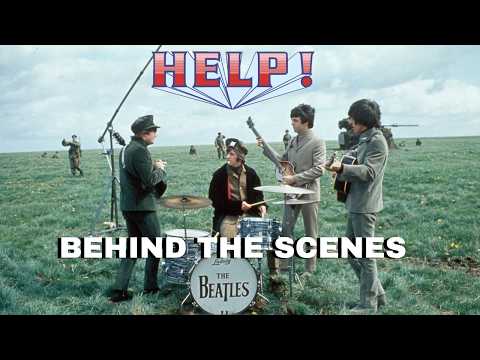
Harrison's interest in non-Western musical influences, particularly Indian classical music, is another pivotal aspect of his legacy. His introduction to the sitar on the set of the film Help! in 1965 marked a turning point in his creative journey. The incorporation of this instrument into Beatles songs like "Norwegian Wood (This Bird Has Flown)" and "Love You To" not only added a new sonic dimension but also reflected Harrison's expanding musical horizons.
The impact of Harrison's interest in Indian classical music cannot be overstated. His use of the sitar on numerous Beatles tracks helped to popularize this instrument among Western audiences, paving the way for future generations of musicians to explore Eastern influences. Furthermore, his collaboration with Indian musicians like Ravi Shankar and Ali Akbar Khan not only enriched the Beatles' sound but also facilitated cross-cultural exchange in the music world.
Harrison's solo career, which spanned from 1968 to 2001, was marked by a series of critically acclaimed albums that showcased his growing interest in electronic music. Electronic Sound (1969), his first solo album, featured innovative use of tape loops and sound effects, while All Things Must Pass (1970) demonstrated his ability to craft timeless, acoustic-based songs like "My Sweet Lord" and "Awaiting on You All." The latter's blend of Eastern spirituality and Western rock sensibilities set a new standard for spiritual rock music.
The 1970s saw Harrison continue to explore new sounds and themes in his music. Living in the Material World (1973) tackled issues of social justice, while Dark Horse (1974) showcased his growing interest in American roots music. Extra Texture (Read All About It) (1975), although often overlooked, contains some of Harrison's most underrated songs, including "This Guitar (Can't Keep from Crying)" and "You."
One clip from the archive that highlights Harrison's ability to craft memorable melodies is the live performance of "Something" from 1971. This song, which has become one of his most beloved compositions, features a soaring guitar solo and showcases Harrison's skill as a melodicist.
Harrison's influence on subsequent generations of musicians cannot be overstated. His experimentation with non-Western influences paved the way for artists like The Beatles' contemporaries, The Byrds, and later, bands like Pink Floyd and Led Zeppelin. Furthermore, his exploration of electronic music in the late 1960s and early 1970s influenced a wide range of musicians, from Brian Eno to Kraftwerk.
In addition to his musical contributions, Harrison's activism and philanthropy also left an indelible mark on the world. His work with the Concert for Bangladesh (1971) helped raise awareness about the plight of refugees in the subcontinent, while his support for organizations like UNICEF and Amnesty International underscored his commitment to social justice.
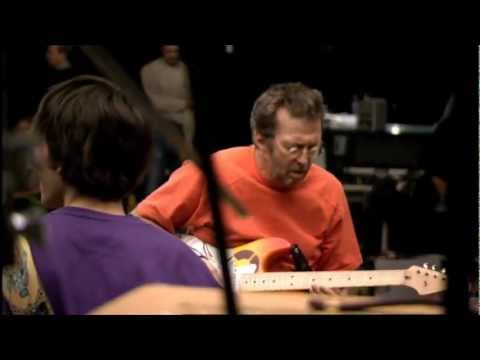
The archive also contains a 1982 clip from Harrison's tour in support of Gone Troppo, which features him performing with a band that includes Eric Clapton on guitar. This performance highlights Harrison's ability to adapt his music to different contexts and showcases the enduring appeal of his songs.
As we continue to explore the archives of DeepCutsArchive, it becomes clear that George Harrison's legacy extends far beyond his time as a Beatle. His innovative spirit, willingness to experiment with new sounds, and commitment to social justice have left an indelible mark on music history.
Curated from public records and music databases.




![Thumbnail for Beatles 1965 Outtakes [Read description] :) by Paul McCartney, Ringo Starr, George Harrison, John Lennon](https://img.youtube.com/vi/50dI7WJZbBo/hqdefault.jpg)
![Thumbnail for Beatles - Helter Skelter (Beatles Chronology 2) [HD] by Paul McCartney, R.E.M., Ringo Starr, George Harrison, Ride, The Beatles, The Who, The The, The La's, Pete Townshend, Y&T, Sting](https://img.youtube.com/vi/pJ4FGX4vXRI/hqdefault.jpg)