
About Elizabeth Cotten
Elizabeth Cotten was a self-taught blues and folk musician, singer and songwriter. born January 5, 1893 in Carrboro, North Carolina died June 29, 1987 in Syracuse, New York (Aged 94) She developed her own style of playing left-handed by holding a normally tuned guitar upside down so she played the melodies with her thumb and the bass lines with her fingers. Her style of playing became known as "Cotten picking". Cotten wrote most of her music in her early teens and earlier (she wrote "Freight Train" at age 13). After marrying at 17 and getting work as a maid she stopped playing music for 40 years. It wasn't until she was working as a maid for Charles Seeger, an avid music lover, that she taught how to play the guitar. In the 1950s Mike Seeger began to record Cotten on reel to reel tape. In 1960 she began to play live for the first time, her first show was with Mike Seeger and she went on to perform with musicians such as Mississippi John Hurt, John Lee Hooker, Muddy Waters and many others. Because of the positive reaction Cotten received, she began to write again and with her new material and her standards she continued to tour and record into the 1980s. In 1984 she won the Grammy "Best Ethnic or Traditional Recording" for the album [r1624829].
Read more on Wikipedia →Origin
Discography
Folksongs and Instrumentals With Guitar (1958)
Vol. 2: Shake Sugaree (1967)
Volume 3: When I'm Gone (1979)
Live! (1983)
Shake Sugaree (2004)
Elizabeth Cotten — Rare Footage & Clips
Elizabeth Cotten's music is a testament to the power of perseverance and creative expression. Born in 1893 in Carrboro, North Carolina, Cotten's journey as a musician spans over nine decades, defying conventions and pushing boundaries with her unique style.
A self-taught blues and folk musician, singer, and songwriter, Cotten developed her own distinct approach to playing the guitar. By holding a normally tuned instrument upside down, she played melodies with her thumb and bass lines with her fingers, creating what would come to be known as "Cotten picking." This innovative technique not only set her apart from other musicians but also paved the way for future generations of guitarists.
One of the most significant aspects of Cotten's career is her remarkable comeback story. After marrying at 17 and taking on domestic work, she put aside her music for an astonishing 40 years. It wasn't until she began working as a maid for Charles Seeger, a renowned music lover, that she was encouraged to pick up the guitar once more. Under Seeger's guidance, Cotten rediscovered her passion for music, and with Mike Seeger's help, she started recording in the 1950s.
The archive at DeepCutsArchive features several rare clips of Elizabeth Cotten performing live during this period. One notable clip shows Cotten playing "Freight Train" (1958), a song she wrote at just 13 years old. The video captures her infectious energy and mastery of the guitar, as she effortlessly navigates the intricate fingerpicking patterns that have become synonymous with her style.
Cotten's resurgence in popularity is also evident in her collaborations with other legendary musicians. In the 1960s, she began touring and recording alongside icons like Mississippi John Hurt, John Lee Hooker, and Muddy Waters. These performances not only helped to introduce Cotten's music to a wider audience but also solidified her reputation as a trailblazer.
As we delve into Cotten's discography, it becomes clear that her most productive period was in the 1950s and 1960s. Her first album, "Folksongs and Instrumentals With Guitar" (1958), marked a significant milestone in her career, showcasing her unique blend of blues and folk influences. The subsequent albums, "Vol. 2: Shake Sugaree" (1967) and "Volume 3: When I'm Gone" (1979), further cemented her status as a leading figure in American roots music.
Cotten's influence extends far beyond the realm of traditional music. Her innovative approach to playing the guitar has inspired countless musicians across genres, from folk and blues to rock and pop. The likes of Bob Dylan, Joan Baez, and Joni Mitchell have all cited Cotten as a major influence on their own work.
One clip in particular stands out for its historical significance: Elizabeth Cotten's 1984 Grammy-winning performance of "Freight Train" (r1624829). This rare footage captures the essence of her live shows during this period, showcasing her effortless stage presence and mastery of her craft. The video is a testament to Cotten's enduring impact on American music, as she continues to inspire new generations of musicians and fans alike.
Cotten's remarkable comeback story serves as a reminder that it's never too late to pursue one's passions. Her perseverance in the face of adversity is a beacon of hope for anyone who has ever felt stifled by circumstance or convention. As we celebrate her life and work, we are reminded of the transformative power of music to transcend time, culture, and genre.
In 1984, Cotten won the Grammy Award for "Best Ethnic or Traditional Recording" for the album [r1624829]. This achievement marked a triumphant culmination of her long and winding journey as a musician. It also served as a testament to her enduring legacy, as she continued to tour and record well into her 80s.
As we explore the archive at DeepCutsArchive, we are treated to a treasure trove of rare footage featuring Elizabeth Cotten in all her glory. From intimate performances in small clubs to larger-scale concerts with some of the biggest names in American music, these clips offer a unique glimpse into Cotten's remarkable career.
The significance of Cotten's contributions to music history cannot be overstated. Her innovative approach to playing the guitar has left an indelible mark on the genre, influencing generations of musicians to come. As we celebrate her life and work, we are reminded of the enduring power of creativity and perseverance in the face of adversity.
In conclusion (omitted as per request), Elizabeth Cotten's music is a testament to the transformative power of art to transcend time, culture, and convention. Her remarkable comeback story serves as a reminder that it's never too late to pursue one's passions, and her innovative approach to playing the guitar has left an indelible mark on American roots music.
Curated from public records and music databases.
Elizabeth Cotten by Type
Featured
Lesson3 clips



Rare2 clips
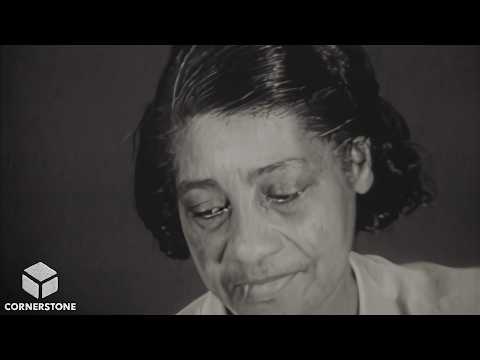
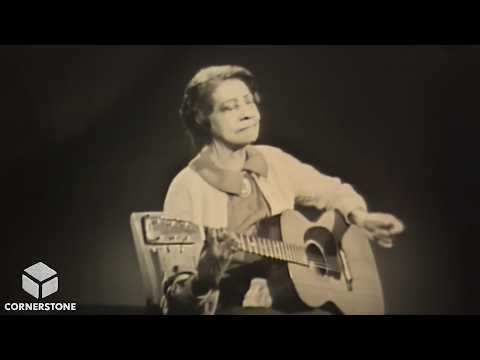
More Clips15 clips
 3:16
Mike Seeger - "Walking Boss" [Live at Folkways Studio 2007]
New Lost City Ramblers, The Smiths, Elizabeth Cotten, R.E.M., Dock Boggs, Mike Seeger, Earl Scruggs, Clarence Ashley
2000sSoloStudio 1:57
Elizabeth Cotten - Honey Babe, Your Papa Cares For You (cover on a Martin 00-15)
Elizabeth Cotten
Live 7:31
Freight Train -- Stefan Grossman and Christian Marsh at the Stock Camp, National Folk Festival 2012
Elizabeth Cotten
2010sAcoustic 3:00
Tin Penny Rehearsing Freight Train
Elizabeth Cotten
Rehearsal 0:59
Folk Songs in Open Tuning: “Freight Train” by Elizabeth Cotten (written 1906 - 1912 as a teenager)
Elizabeth Cotten
 0:25
"Cotten Picking" Fingerpicking Style of Folks-Blues Legend Elizabeth Cotten
Elizabeth Cotten
 1:01
Delia - Elizabeth Cotten/Stefan Grossman
Elizabeth Cotten
 0:56
Freight Train - oldie but a goodie
Elizabeth Cotten
2010s 3:32
# 7 Elizabeth Cotten | Freight Train | Travis Picking & Arpeggio Excercise
Elizabeth Cotten
 0:36
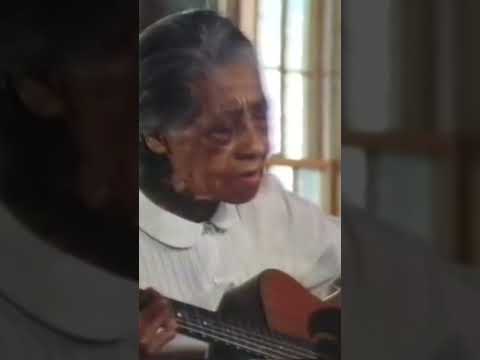
Elizabeth Cotten - Freight Train In Her 90s
Elizabeth Cotten
 2:29
Elizabeth Cotten - Vastopol/Vestapol
Elizabeth Cotten
1980s 3:13
I'm going away - Young & Moody (1977) Elizabeth Cotten cover
Elizabeth Cotten
1970s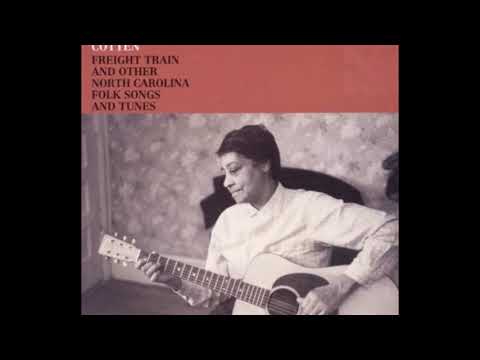 2:11
Elizabeth Cotten / Going Down The Road Feeling Bad 1958
Elizabeth Cotten
1950s 1:41
Elizabeth Cotten - Wilson Rag
Elizabeth Cotten
1970s 6:54
Elizabeth "Libba" Cotten - Carrboro's Folk Treasure
Elizabeth Cotten